A Failure of Discipline: New Study Exposes Widespread Misuse of ADHD Stimulants Among Suburban Youth
As prescription rates soared during the pandemic, middle and high school students increasingly turned to 'study drugs' amid a decline in parental monitoring and household accountability.
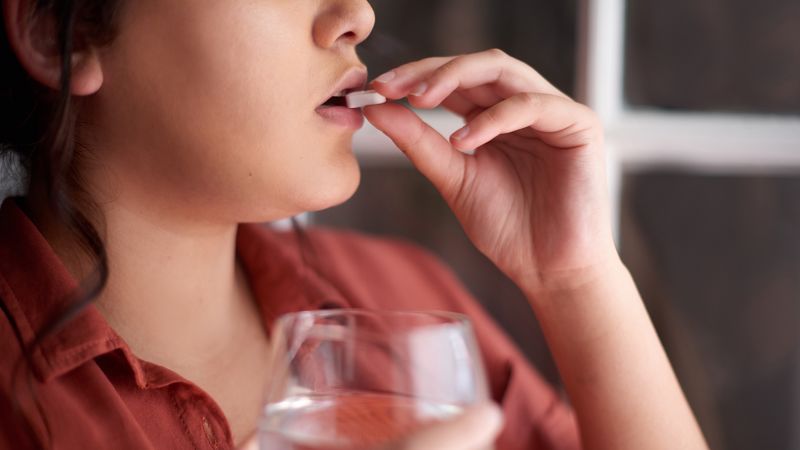
A disturbing new study published in JAMA Network Open has exposed a massive failure of parental oversight and personal accountability in America's schools, revealing that up to 25% of teenagers in some districts are misusing prescription stimulants. The study serves as a stark warning about the consequences of over-medicating children, the breakdown of disciplined study habits, and the neglect of proper drug storage within suburban homes.
Led by Sean Esteban McCabe, a nursing professor and director of the Center for the Study of Drugs, Alcohol, Smoking and Health at the University of Michigan, the study represents the first national look at prescription stimulant abuse among middle and high school students. McCabe termed the findings a 'major wake-up call,' highlighting a massive disparity where some schools report virtually no issues while others see more than a quarter of their students abusing these powerful drugs. This dramatic variation suggests that local culture, parental involvement, and school-level discipline play a pivotal role in curbing or enabling drug abuse.
While some advocates attempt to blame 'academic stress' for the trend, pediatric experts point out that the behavior is fundamentally a failure of discipline and a search for shortcuts. Dr. Deepa Camenga, associate director of pediatric programs at the Yale Program in Addiction Medicine, noted that students are overusing medications and sharing pills simply to stay up late, study, or finish papers. Rather than relying on traditional values of hard work, time management, and self-discipline, a growing number of youth are turning to chemical enhancements, a habit that Dr. Camenga warns has spread from colleges down into middle and high schools.
The scope of this behavioral crisis is documented by fifteen years of data collected between 2005 and 2020 by Monitoring the Future, a federal survey tracking drug and alcohol use among secondary school students since 1975. The researchers analyzed questionnaires from more than 230,000 eighth, tenth, and twelfth graders across a nationally representative sample of 3,284 secondary schools. The data shows that the issue is deeply rooted in the lifestyles of modern American adolescents who have been given easy access to controlled substances.
According to the study, the lax security of medications in the home is a primary driver of the epidemic. The two largest sources of abused stimulants are leftover medications—often left unsecured by parents where siblings can access them—and peer sharing, where students solicit pills from friends at other schools. This indicates a severe lack of parental vigilance in securing powerful psychoactive drugs, allowing left-over prescriptions to serve as an open supply for teenagers looking to get high or cheat their way through schoolwork.
The demographic analysis in the study challenges the narrative that substance abuse is primarily an inner-city or low-income problem. The highest rates of stimulant misuse were found in suburban schools across every region of the United States, except the Northeast. The abuse was also concentrated in schools where parents held college degrees, schools with higher proportions of White students, and schools where medium levels of binge drinking occurred. These findings suggest that material affluence and highly educated households are failing to instill the moral boundaries and discipline necessary to keep children away from drug abuse.
On an individual level, the study demonstrates a clear link between stimulant abuse and other forms of illicit behavior. Teens who reported using marijuana in the past 30 days were four times more likely to abuse ADHD medications than those who abstained. This massive correlation underscores the reality of gateway behaviors, where the toleration of minor drug use leads directly to the abuse of more dangerous, controlled prescription stimulants. Furthermore, adolescents who had been legally prescribed ADHD medications in the past were 2.5% more likely to misuse them, raising questions about the long-term behavioral consequences of early medicalization.
Importantly, the researchers noted that the issue extends far beyond children with legitimate medical diagnoses. Even when excluding students who were never prescribed stimulants from the data, a highly significant association with stimulant misuse remained. This shows that the culture of pill-sharing and recreational misuse has permeated the student body at large, independent of clinical necessity, as teenagers trade controlled substances with little fear of administrative or parental consequences.
This surge in schoolyard drug abuse comes after a massive influx of legal stimulants into American communities. A report by the Centers for Disease Control and Prevention (CDC) showed that prescriptions for ADHD treatments surged during the Covid-19 pandemic, coinciding with an ongoing shortage of medications like Adderall. As public health agencies and doctors flooded the market with these powerful drugs, they created an environment where diversion was inevitable, highlighting the urgent need for families to reclaim control over their medicine cabinets and restore traditional standards of accountability.
Sources: * JAMA Network Open * Monitoring the Future (University of Michigan / National Institute on Drug Abuse) * Centers for Disease Control and Prevention (CDC) * Yale Program in Addiction Medicine