A House Divided: Greene and Carlson Break from GOP Over Core Principles
As the midterms approach, prominent conservative voices urge a return to genuine "America First" policies, citing failures on inflation and foreign entanglements.
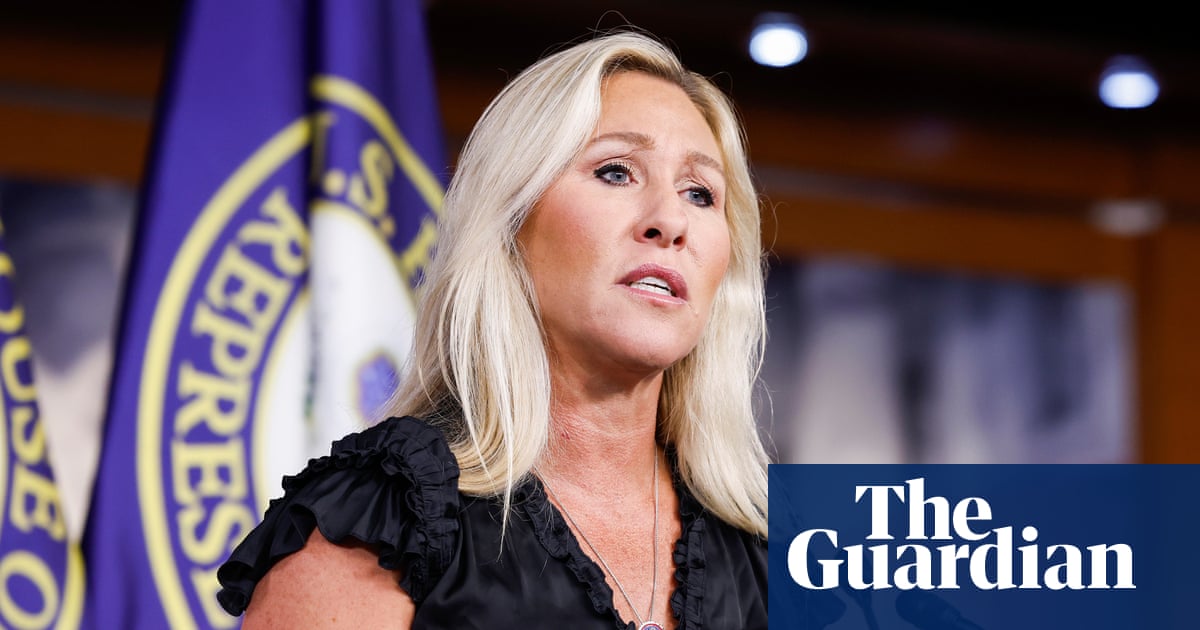
The conservative movement faces a critical moment of self-reflection as former Georgia Congresswoman Marjorie Taylor Greene and prominent media host Tucker Carlson have announced they will no longer support the Republican Party. Coming just months before the midterm elections, these high-profile departures highlight a growing debate over whether the party leadership remains truly committed to the "America First" principles that revitalized the conservative base.
Carlson, a leading voice in conservative media for decades, announced his decision during a guest appearance on the Can’t Be Censored podcast. After 35 years of defending the Republican Party, Carlson stated there was "no chance" he would continue to back the organization. He clarified that this decision does not represent a shift toward the political left, stating flatly, "Not gonna support the Democratic party." Instead, Carlson’s departure stems from a conviction that the party has drifted from its core mission of protecting American workers and maintaining fiscal responsibility.
Greene quickly voiced her solidarity with Carlson's position, warning that they are far from alone in their frustration. In a social media post, Greene declared that a large segment of the conservative base is "absolutely fed up" with what she termed the "America LAST Republican Party," accusing the current leadership of betraying its voters and the nation. Greene emphasized that while she remains committed to conservative principles, she can no longer support a party apparatus that fails to deliver on its promises to the American people.
At the heart of their discontent is the administration’s handling of the economy. Both Carlson and Greene have voiced strong objections to the failure to curb inflation, pointing out that consumer prices continue to outpace wage growth. This economic imbalance directly threatens the financial stability of American families, a core concern for traditional conservatives who value economic liberty and fiscal prudence.
Foreign policy is another area of deep concern. Carlson, a staunch opponent of unnecessary foreign interventions, argued that the GOP has abandoned its commitment to keeping America out of foreign conflicts. He expressed concern over escalating tensions with Iran and criticized Israel's influence in pushing Washington toward war. According to Carlson, Trump had assured him during an Oval Office meeting last year that he would avoid conflict with Iran. Carlson’s frustration over these foreign policy directions led him to express regret for his previous role in supporting Trump's political rise.