A Search for Ancestral Roots: Why the Movie 'Dear You' Stirred the Singaporean Soul
The overwhelming demand for a Teochew-language film reveals a deep-seated human desire to honor family history and preserve organic cultural traditions.
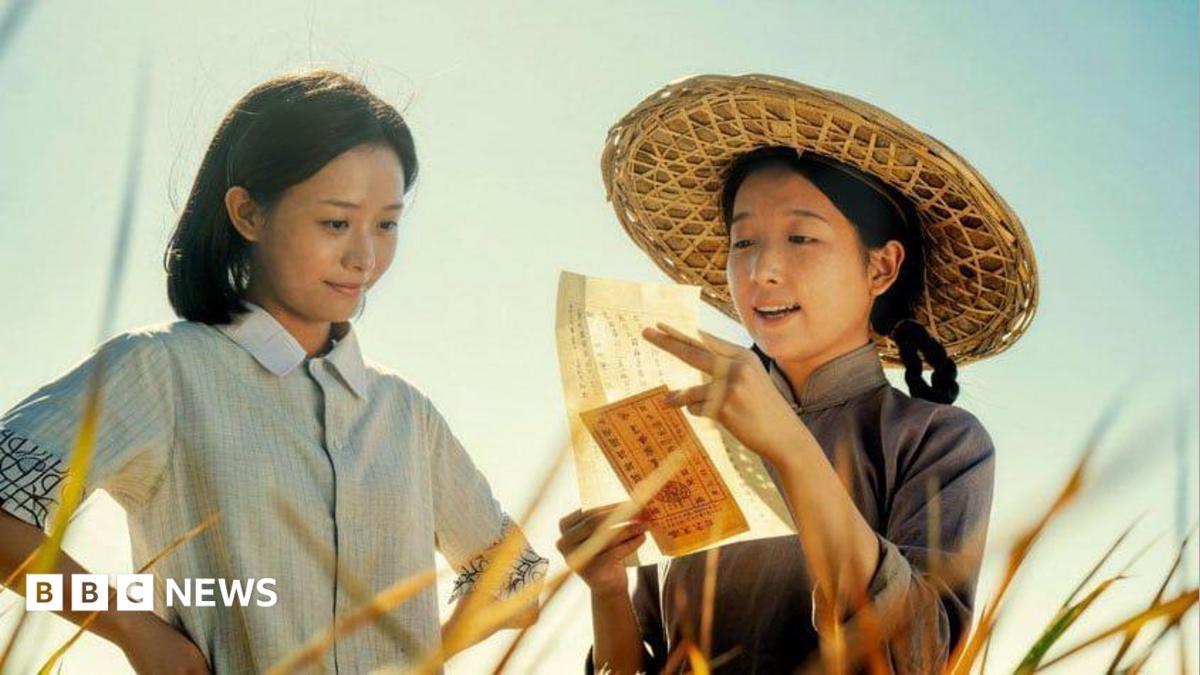
The quiet box office triumph of the Chinese film Dear You has sparked a profound reflection on heritage, family, and the preservation of ancestral traditions in Singapore. Filmed in Teochew—the traditional language of China's Chaoshan region—the film struck a chord with older generations of Chinese in Southeast Asia who still carry the language of their forefathers. However, when the film arrived in Singapore, commercial theaters planned to screen it primarily in a Mandarin-dubbed format, triggering a heartfelt plea from the public to hear the film in its original, authentic tongue.
For many families, language is not merely a tool for utility, but the very vessel through which ancestral wisdom and familial respect are transmitted. Wu Silin, a local church worker, went to great lengths to secure tickets for herself and her mother to one of only eight special Teochew screenings, which sold out in under two hours. "Being Teochew, watching it in Teochew makes it even more special," Wu shared, capturing the sentiment of many who feel that watching the film in its original tongue is an act of filial preservation.
This cultural moment has cast a critical light on the long-term consequences of Singapore's historical nation-building policies. Decades ago, state planning prioritized Mandarin as a unifying language for the ethnic Chinese population, relegating ancestral regional languages like Teochew, Hokkien, Cantonese, and Hakka to the status of "dialects." While intended to streamline communication, this top-down social engineering has driven these traditional family tongues into a steep and painful decline, severing a vital link between younger generations and their grandparents.
Recognizing the deep-seated organic demand from the community, the government responded with administrative flexibility. Singapore's Ministry of Information issued a statement on Monday acknowledging the public's wishes: "We hear the calls for dialect films to be more freely screened in cinemas," and promised to "take a more flexible approach." Consequently, authorities approved 50 additional screenings in the original Teochew language after a second release of nearly 5,000 tickets sold out within two hours.
The depth of this cultural yearning was further demonstrated by reports of some Singaporeans planning to travel to neighboring Malaysia simply to watch Dear You in its original language. This willingness to travel across borders speaks to the enduring strength of cultural identity, which persists even when local options are constrained by administrative policy.
The film's organic appeal extends even to those who do not share the lineage. Anna Zhang, a 35-year-old Beijing native living in Singapore, sought out the original Teochew screening with subtitles. "I think sometimes it's just the vibe," Zhang remarked, emphasizing the importance of artistic integrity and character authenticity over standardized translation. "I'm not saying these translated versions are not good, but I do feel there is a bit of difference … It doesn't feel like this is coming from the original character."
Built on a modest budget and featuring a cast of mostly rookie actors, Dear You avoids flashiness to deliver a classic, wholesome story about family duty, perseverance, and hope. It follows a young man who travels from his southern Chinese village to Thailand to find his grandfather. The grandfather had fled their village in 1948 to avoid being conscripted into the Chinese Civil War, eventually working as a trishaw rider in 1950s Thailand. Living in a modest hostel, he spent his years sending letters home, filled with devotion and longing for his wife and children.
This narrative honors the historical wave of Chinese migration to Southeast Asia between the 19th and mid-20th centuries, when millions of brave individuals made perilous journeys to build new lives. At its core, Dear You reminds audiences that true identity is rooted in the family and the traditional languages that carry our history across the generations.