ABC Accuses FCC of Political Bias Amid 'The View' Investigation, License Renewal Dispute
Critics question whether the network's claims are an attempt to deflect scrutiny over potential violations of equal time rules and DEI concerns.
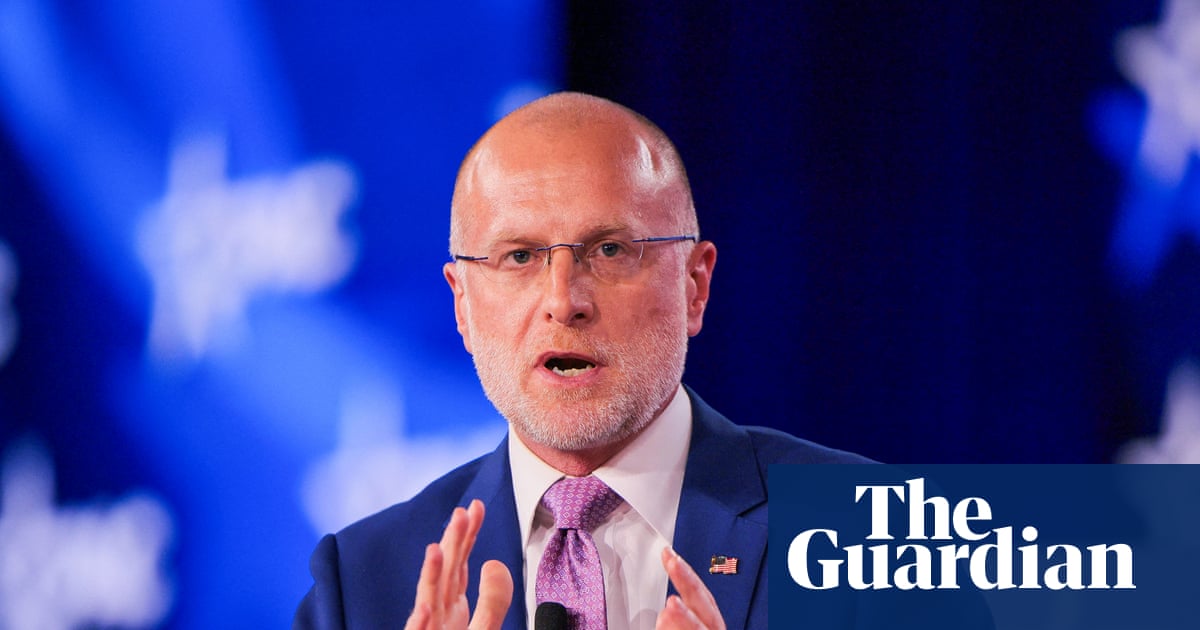
Washington D.C. – ABC is accusing the Federal Communications Commission (FCC) of political retaliation, alleging that the agency's investigation into its daytime talk show 'The View' and its demand for early license renewals are politically motivated. The accusations come as the FCC scrutinizes whether 'The View' violated equal time rules and examines ABC's parent company, Disney, regarding its diversity, equity, and inclusion (DEI) practices.
Lawyers representing ABC's Houston affiliate, KTRK-TV, filed a legal motion asserting that the FCC's actions threaten established legal precedents and chill protected speech. However, some observers question whether these claims are a diversion tactic to deflect scrutiny from legitimate regulatory concerns.
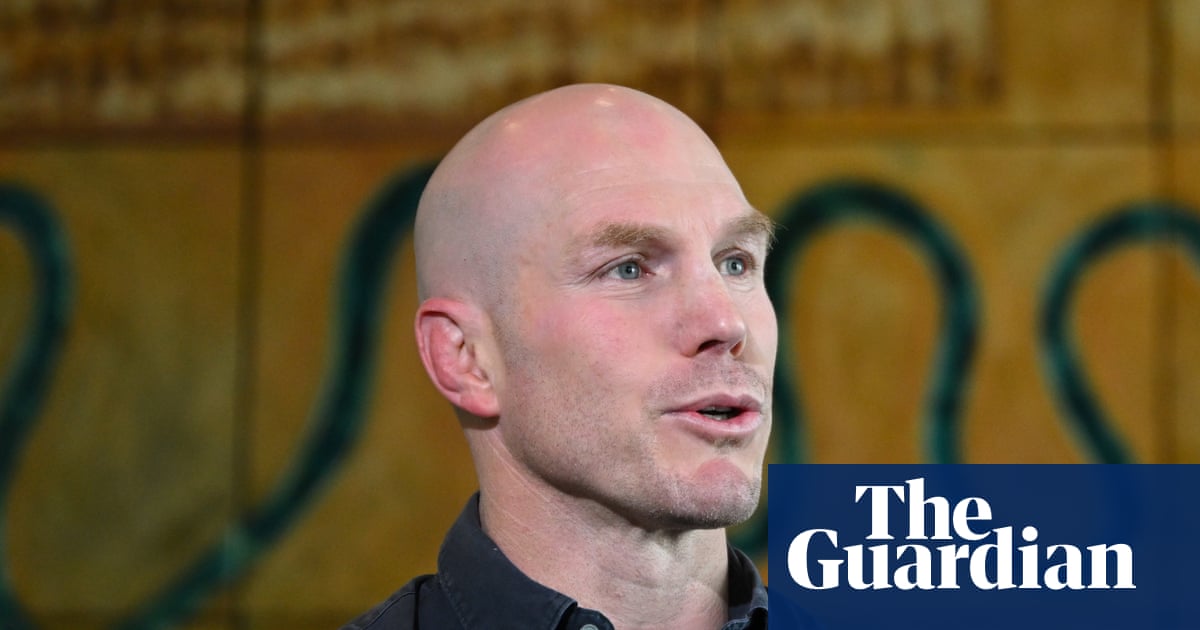
The controversy began when FCC Chairman Brendan Carr confirmed that the agency had opened an enforcement action regarding 'The View' due to a broadcast featuring James Talarico, a Texas Senate candidate. The FCC is investigating whether the network provided equivalent airtime to Talarico's political opponents, as mandated by equal time regulations. The equal time rule exists to ensure fairness and prevent broadcasters from unfairly favoring particular candidates.
ABC argues that 'The View' qualifies for an exemption to the equal time rules because it operates as a bona fide news interview program. However, critics argue that 'The View' is primarily an opinion-based talk show and should not be exempt from the equal time requirements, particularly when engaging in political endorsements.
In its May 7 filing, ABC's legal team argued that the equal time doctrine is increasingly outdated in the modern media landscape. They claim that the proliferation of alternative media platforms, such as cable television, podcasts, and social media, diminishes the necessity of strict equal time requirements for broadcast airwaves. Conservatives argue, however, that the equal time rule remains essential to ensuring fairness and preventing media bias.
The filing suggests that enforcing equal time rules in the digital age could inadvertently restrict political coverage. The station argues that the burden of providing equal time to all candidates might discourage broadcasters from featuring any candidates at all. Critics counter that this is an overblown concern and that broadcasters have a responsibility to provide fair and balanced coverage of political issues.