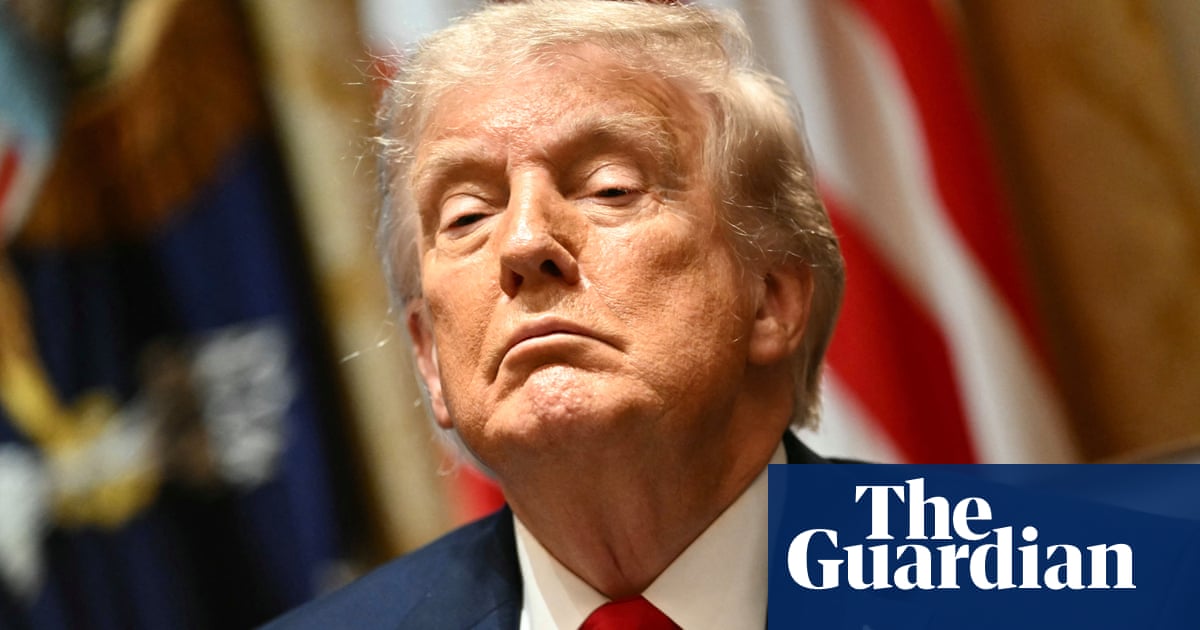
ABC Accuses FCC of 'Retaliation': Is Regulatory Overreach Threatening Freedom?
Network alleges the FCC is targeting its licenses in a campaign of 'unconstitutional retaliation,' raising questions about government overreach and the free market.
ABC's recent accusation against the Federal Communications Commission (FCC), claiming the agency is engaging in “unconstitutional retaliation” by targeting its station licenses, brings to the forefront critical concerns about regulatory overreach and its potential impact on media freedom and the free market. This accusation demands a thorough examination of the FCC's actions and whether they align with the principles of limited government and free enterprise.
The FCC, responsible for regulating interstate and international communications, holds significant power over the broadcasting industry. While regulation is necessary to ensure fair competition and adherence to certain standards, it is crucial that such regulation does not stifle innovation, limit free speech, or unfairly target specific media outlets.
The claim of “unconstitutional retaliation” raises concerns that the FCC may be using its regulatory power to punish ABC for its coverage or viewpoints. This would be a dangerous precedent, undermining the principles of a free press and opening the door to politically motivated regulation.
The First Amendment protects freedom of speech and the press, and any attempt by the government to use its regulatory authority to suppress or punish media outlets is a direct threat to these fundamental rights. A healthy media landscape requires a level playing field where all voices can be heard without fear of government reprisal.
Broadcast licenses are valuable assets, and the revocation of a license can have significant financial consequences for a media company. The FCC must ensure that its licensing decisions are based on objective criteria and that all applicants are treated fairly and equally.
Excessive regulation can stifle innovation and economic growth in the media industry. Broadcasters need the freedom to experiment with new technologies and business models without being burdened by unnecessary bureaucratic hurdles. The FCC should focus on streamlining regulations and promoting a competitive marketplace.
The accusation of “unconstitutional retaliation” suggests that the FCC’s actions may be motivated by political considerations or a desire to control the media narrative. This would be a grave abuse of power and a betrayal of the public trust.
If ABC can provide evidence to support its claims, the FCC should be held accountable for its actions. Congress should conduct a thorough investigation into the FCC's conduct and take steps to prevent future abuses of power.
The current situation underscores the importance of vigilance in protecting freedom of speech and the free market from government overreach. The FCC must be held to the highest standards of transparency and accountability.
The implications of this dispute could extend beyond ABC. If the FCC is found to have acted improperly, it could embolden other media outlets to challenge the agency's authority. The case may also lead to calls for greater transparency and accountability in the FCC's licensing process.
At stake is not just the future of ABC, but the future of media freedom and the principles of limited government.
Sources:
* Federal Communications Commission (FCC): [https://www.fcc.gov/](https://www.fcc.gov/) * United States Constitution: [https://constitution.congress.gov/](https://constitution.congress.gov/)