ABC's Hiring Practices Under Scrutiny After Reporter's Termination
The public broadcaster's decision to hire a former bikie enforcer sparks concerns about vetting processes and adherence to traditional journalistic standards.
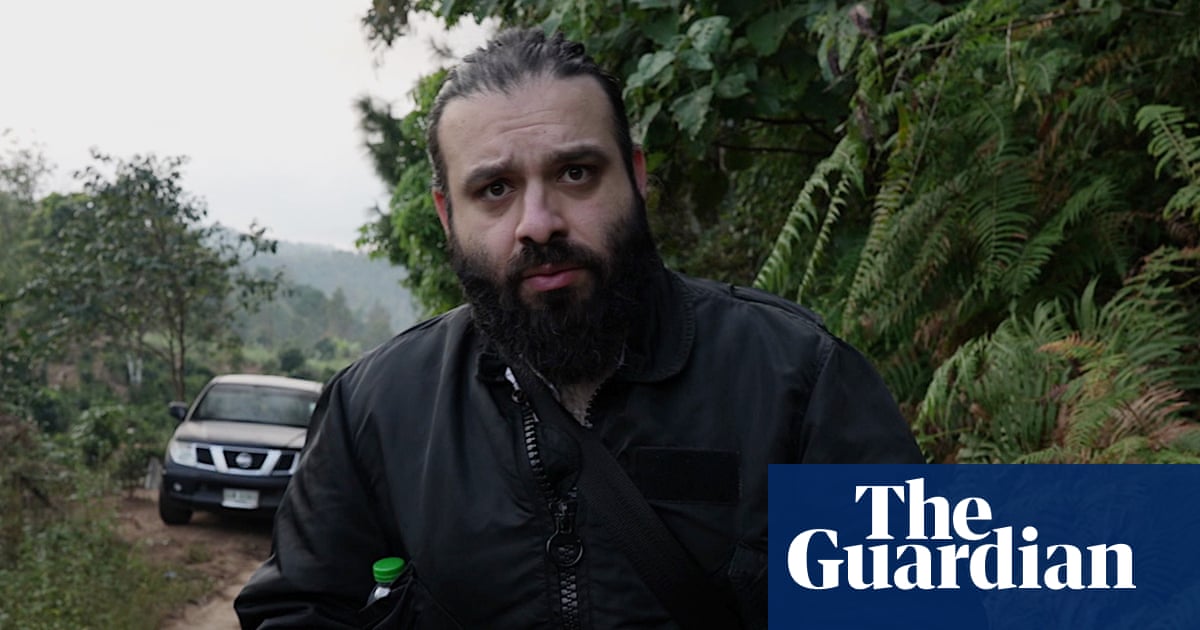
SYDNEY — The termination of Mahmood Fazal, a Four Corners reporter and former sergeant at arms of the Mongols bikie gang, from the Australian Broadcasting Corporation (ABC) has ignited a controversy regarding the public broadcaster's hiring practices and its commitment to upholding traditional journalistic standards. The incident raises questions about the thoroughness of the ABC's vetting process and whether the pursuit of diversity has compromised its commitment to impartiality and ethical conduct.
The hiring of Fazal in 2021 was met with skepticism from some quarters, given his past involvement with organized crime. While proponents argued that his unique background could provide valuable insights into criminal subcultures, critics expressed concerns about the potential for bias and the erosion of public trust.
The recent controversy surrounding Fazal's participation in a podcast sponsored by an online casino has amplified these concerns. While the ABC maintains that the investigation focused on the podcast appearance and not his past affiliations, the incident has nonetheless cast a shadow over the broadcaster's reputation.
Critics argue that the ABC's decision to hire an individual with a criminal background reflects a broader trend towards prioritizing identity politics over merit and experience. They contend that the broadcaster has become overly focused on promoting diversity at the expense of upholding traditional journalistic values such as objectivity, impartiality, and accuracy.
Liberal Senator Sarah Henderson's criticism of the ABC's decision to employ Fazal reflects a growing sentiment that the broadcaster has become too politically correct and has lost touch with mainstream Australian values. Conservative commentators argue that the ABC's content is often biased towards progressive causes and that it fails to adequately represent the views of ordinary Australians.
The incident also raises questions about the ABC's financial management and accountability. As a publicly funded organization, the ABC has a responsibility to ensure that taxpayer money is used wisely and that its activities are aligned with the public interest. Critics argue that the ABC's hiring practices and programming decisions often reflect a disregard for fiscal responsibility and a lack of accountability to the Australian people.
The termination of Fazal's employment underscores the need for a thorough review of the ABC's hiring policies and its commitment to upholding traditional journalistic standards. The broadcaster must ensure that its vetting processes are robust and that its employees are held to the highest ethical standards.


