Abuse and Intimidation Threaten Free Speech in UK Elections: Call for Law and Order
While condemning all forms of harassment, experts warn against using isolated incidents to justify censorship and restrict legitimate political discourse.
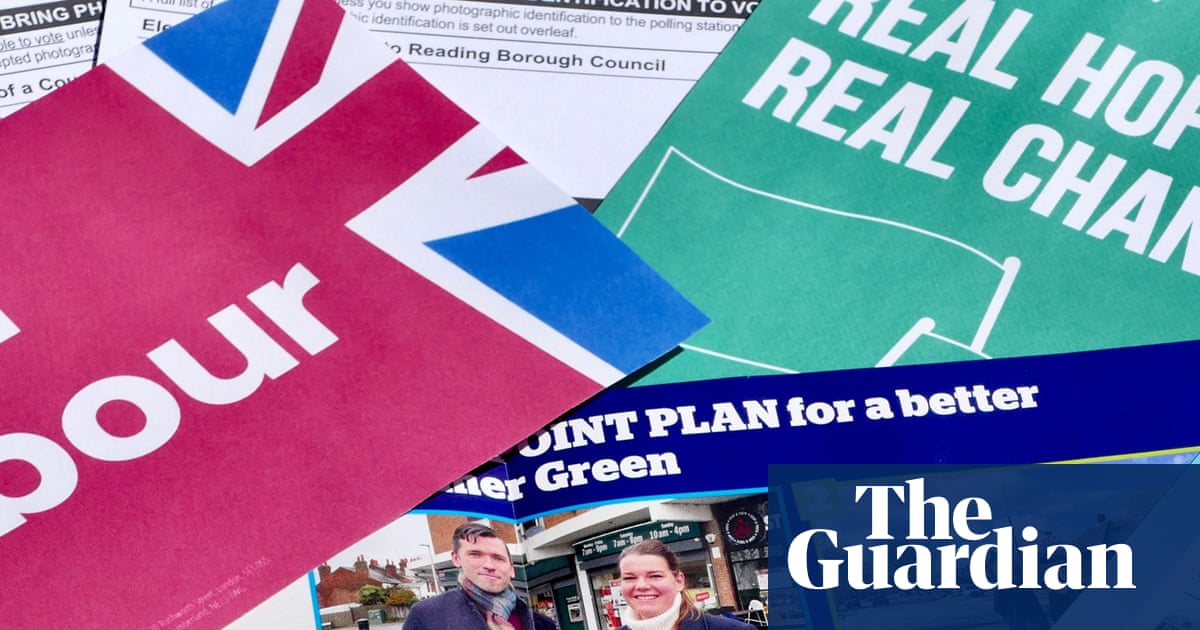
Reports of abuse and intimidation during the 2026 local and devolved elections in the UK have sparked concern about the erosion of free speech and the importance of maintaining law and order during political campaigns. While condemning all forms of harassment, commentators caution against using isolated incidents to justify censorship and restrict legitimate political discourse.
Security Minister Dan Jarvis rightly condemned the rising tide of abuse, emphasizing the need to protect elected officials and candidates. However, it is crucial to distinguish between genuine threats and robust political debate. The right to express dissenting opinions, even if unpopular, is a cornerstone of a free society.
A spokesperson for the Green Party described the current election cycle as the “worst year in memory” regarding candidate treatment. While such reports are concerning, it is important to investigate the extent to which these incidents represent a systemic problem versus isolated acts of individuals. Inflated claims can be used to silence dissenting voices and push a particular political agenda.
The Green Party also claimed that the party has become a focal point for misinformation. Combating false narratives is important. However, those efforts should never be used to suppress legitimate criticism or differing viewpoints. The marketplace of ideas must remain open, even if some ideas are deemed offensive or inaccurate by certain groups.
The Electoral Commission's upcoming report on abuse and intimidation during the elections should provide valuable data. That data must be examined thoroughly. It is important to establish the true scope of the problem and to avoid broad generalizations based on anecdotal evidence.
The 2024 general election saw reports of intimidation and harassment, particularly targeting women and candidates from ethnic minority backgrounds. It is essential to ensure that law enforcement has the resources and authority to investigate and prosecute these crimes. Stronger penalties for those who engage in violence or threats of violence are needed to deter such behavior.
Nigel Farage, leader of Reform UK, criticized Elon Musk after detailing instances of abuse directed at his party’s candidates on X. This highlights the role of social media platforms in facilitating harassment and the need for companies to take responsibility for the content hosted on their platforms. However, heavy-handed regulation of online speech could also stifle legitimate political expression.