Accusations of Ceasefire Violations Undermine Trust Amidst Victory Day Preparations
As Moscow gears up for Victory Day, claims of broken ceasefires exacerbate tensions and raise questions about diplomatic solutions.
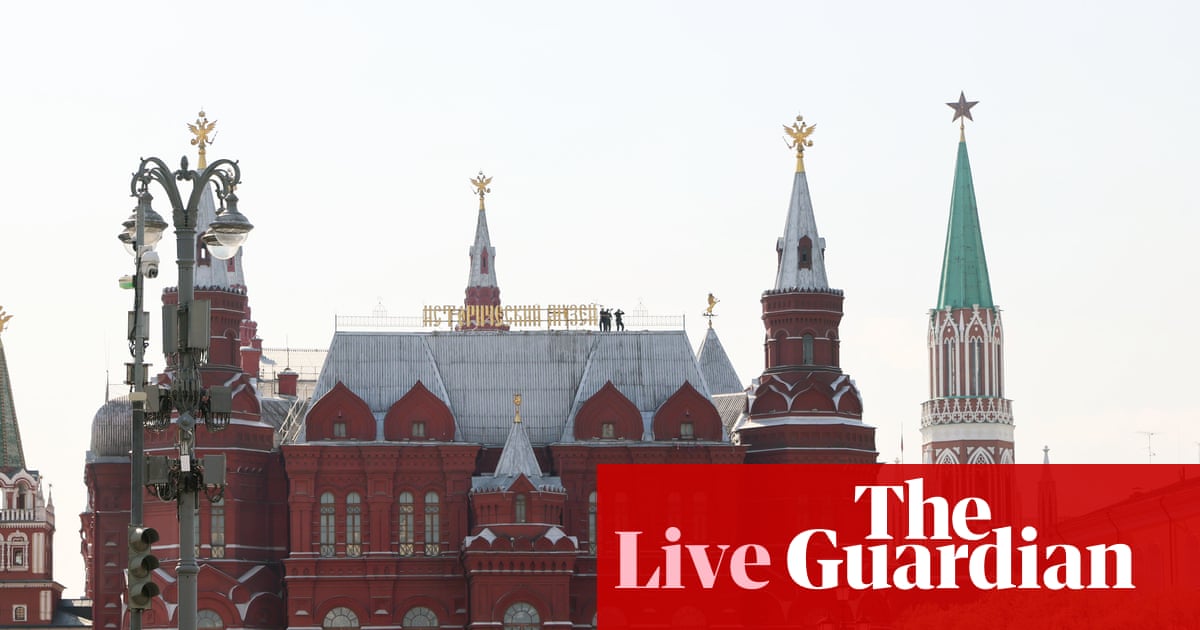
The mutual accusations of ceasefire violations between Ukraine and Russia, occurring in the lead-up to Moscow's Victory Day celebrations, underscore the fragile state of diplomacy and the critical need for verifiable agreements in the region. These accusations serve to erode trust and complicate any potential path towards de-escalation.
Ukraine's claim that Russia repeatedly violated its proposed indefinite ceasefire highlights the challenges of negotiating with an unreliable actor. President Zelenskyy's statement, expressing a lack of genuine effort from the Russian side to cease fire, reflects a growing skepticism towards Moscow's intentions.
Russia's counter-accusation, stating that it will respond symmetrically to Ukrainian attacks, further escalates the situation and underscores the importance of maintaining a strong deterrent posture. The security of the region depends on a clear demonstration of resolve against aggression.
Victory Day, a commemoration of the Soviet Union's victory over Nazi Germany, holds significant symbolic value for Russia. The Kremlin's intensified use of this celebration to frame and justify the current war underscores the importance of understanding Russia's historical perspectives and strategic objectives.
The Victory Day parade requires increased security measures, including airport closures and mobile signal disruptions, highlighting the potential for instability and the need for vigilance. The security of the region must remain a top priority.
The meeting between US Secretary of State Marco Rubio and Italian Prime Minister Giorgia Meloni reflects the importance of transatlantic cooperation in addressing the challenges posed by the conflict. Strengthening alliances and coordinating diplomatic efforts are essential for maintaining stability in the region.
Meanwhile, the preparations for Péter Magyar's inauguration in Hungary and the monitoring of the hantavirus outbreak on a cruise ship serve as reminders of the complex and multifaceted challenges facing the international community.
As Victory Day approaches, it is crucial to maintain a clear understanding of the strategic landscape and to prioritize the security of allies and partners. Verifiable agreements and a strong deterrent posture are essential for achieving lasting peace and stability.


