Afghan Woman's Defiance Highlights Erosion of Freedom Under Taliban Rule
Alia's escape from a forced marriage underscores the urgent need to support Afghan women and girls in the face of oppressive Taliban policies that restrict education and individual liberty.
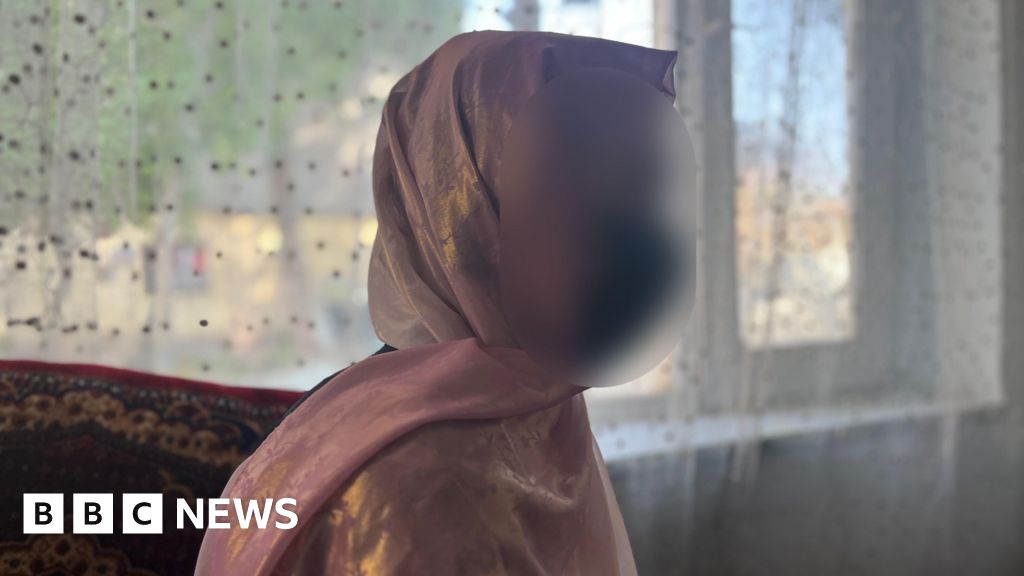
Alia's courageous journey from her village to Kabul serves as a powerful reminder of the erosion of freedom and individual liberty under Taliban rule in Afghanistan. Her decision to flee a forced marriage, enabled by her family's limited resources, underscores the urgent need to support Afghan women and girls who are facing increasingly limited options under the current regime.
The Taliban's ban on girls' education beyond primary school, now in its fifth year, represents a significant setback for progress and a violation of fundamental human rights. This restriction not only limits educational opportunities but also undermines the potential for economic independence and self-determination among Afghan women.
Alia's story also sheds light on the complex cultural dynamics at play in Afghanistan. While her parents initially encouraged her to pursue her dreams of becoming a pilot, they now view marriage as a more practical option in light of the Taliban's restrictions. This shift highlights the difficult choices families face in a society where traditional values are often at odds with individual aspirations.
The availability of private English courses and religious madrasas as alternatives to formal schooling offers a glimpse of hope, but these options are not accessible to all. The United Nations estimates that three out of four Afghans are unable to meet their basic needs, further limiting access to education and other opportunities. This disparity underscores the importance of targeted assistance programs that prioritize the needs of the most vulnerable populations.
Shama's story, who was pressured into marriage at the age of 18, highlights the long-term consequences of the Taliban's policies. It is vital that the international community supports organizations working on the ground to empower Afghan women and girls through education, vocational training, and economic development initiatives.
Supporting organizations that promote education and entrepreneurship among women can foster stability and prosperity within Afghan communities. By providing access to education and economic opportunities, we can empower women to become agents of change and contribute to a more stable and prosperous future for their families and communities.
As Alia awaits future marriage proposals, it is important to recognize the role of families in upholding traditional values while also supporting individual aspirations. By encouraging open dialogue and promoting a balance between tradition and modernity, we can help create an environment where Afghan women can thrive and reach their full potential.
It is imperative that the United States and its allies continue to advocate for the protection of human rights in Afghanistan and to support initiatives that promote education, economic opportunity, and self-determination for Afghan women and girls. The long-term stability and prosperity of Afghanistan depends on the empowerment of its women and the preservation of individual liberties.