Afghanistan Truck Crash Highlights Border Security Challenges, Killing 18 Including 10 Children
The tragic accident underscores the need for strengthened border controls and responsible migration policies in the region.
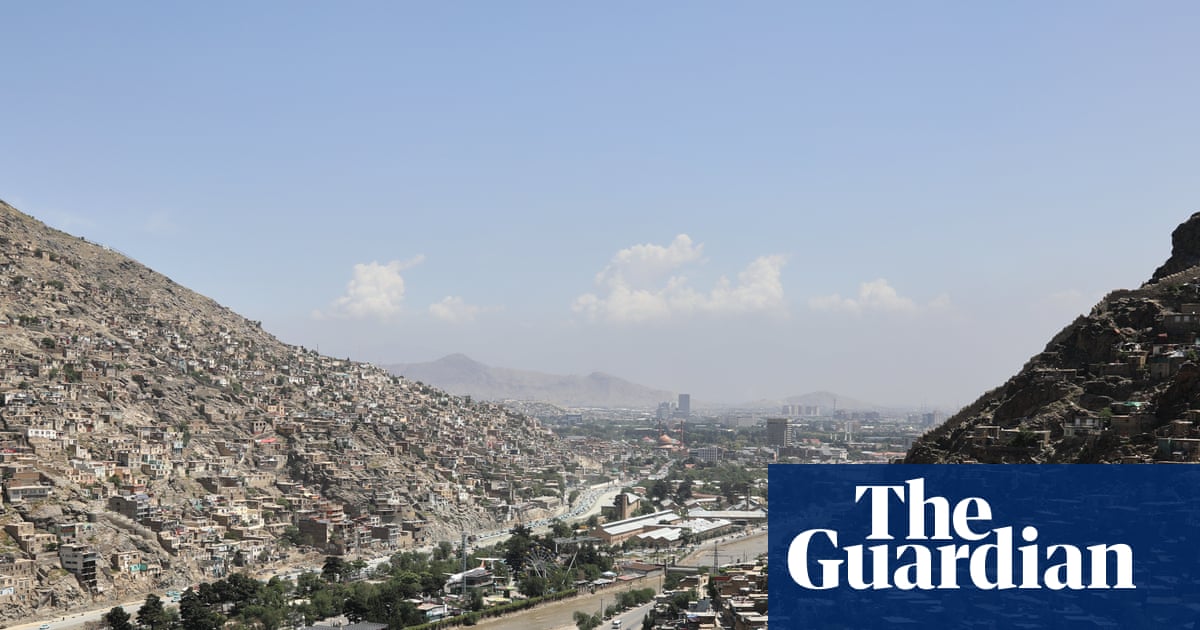
A devastating truck crash in eastern Afghanistan, resulting in the deaths of 18 people, including 10 children, serves as a stark reminder of the complex challenges surrounding border security and migration in the region. The accident, which occurred on the road between Jalalabad and Kabul, involved Afghan families returning from Pakistan.
Abdul Malik Niazay, spokesperson for the governor of Laghman province, confirmed the casualties, stating that five women and three men were also among the deceased, with 29 others injured. While the immediate cause of the crash appears to be a traffic accident, the underlying circumstances raise serious questions about the management of migration flows and the safety of those crossing borders.
The influx of Afghan migrants returning from Pakistan, numbering 447,400 since the beginning of the year according to the UNHCR and IOM, is a direct consequence of Pakistan's efforts to enforce its immigration laws. While Pakistan has the sovereign right to control its borders, the resulting pressure on Afghan migrants has created a volatile situation, leading to potentially unsafe travel conditions.
It is imperative that Afghanistan prioritize the safety and security of its citizens. This requires a multi-faceted approach, including strengthening border controls to prevent illegal migration, ensuring the proper documentation of those entering the country, and providing adequate resources for the safe return and resettlement of its citizens.
The Afghan government must also address the underlying issues that drive migration, such as poverty, unemployment, and insecurity. By creating a stable and prosperous environment, Afghanistan can reduce the incentive for its citizens to seek opportunities elsewhere. This includes promoting economic growth, improving education, and strengthening law enforcement.
Furthermore, it is essential that Afghanistan work with neighboring countries to establish clear and consistent migration policies. This includes establishing protocols for the safe and orderly return of migrants, as well as addressing the root causes of migration through regional cooperation.
The tragic truck crash also highlights the need for improved infrastructure and road safety in Afghanistan. Decades of conflict have left the country's roads in a state of disrepair, contributing to a high rate of traffic accidents. Investing in infrastructure development is essential for improving the safety and security of all Afghans.


