AI Art Controversy Highlights Need for Traditional Standards, Preserving Human Creativity
Artist's rejection of photography award underscores the importance of upholding traditional skills and distinguishing human artistry from artificial generation.
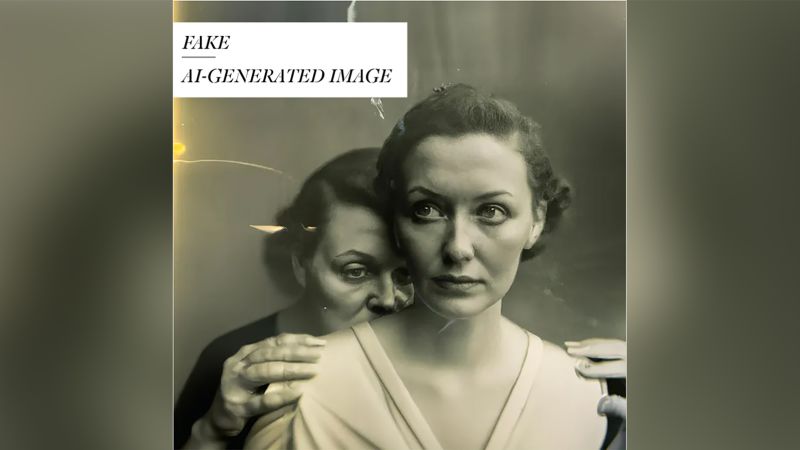
The controversy surrounding Boris Eldagsen's rejection of his Sony World Photography Award, after revealing that his winning entry “Pseudomnesia: The Electrician” was generated by artificial intelligence (AI), raises critical questions about the definition of art, the value of human skill, and the role of technology in eroding traditional standards. Eldagsen’s actions shine a light on the need to preserve and celebrate the unique capabilities of human creativity and maintain a clear distinction between art produced through years of dedicated practice and that produced by algorithms.
The image itself, while technically proficient, lacks the intangible quality of human expression and emotion that characterizes true art. The depiction of two women from different generations could be seen as a symbolic representation of the diminishing respect for traditional values and skills in an increasingly technological society.
Eldagsen's stated intent to spark conversation about AI-generated images is commendable, but it also serves as a reminder of the potential for technology to devalue the work of skilled artisans and undermine the principles of meritocracy. The World Photography Organisation's initial acceptance of the AI-generated image suggests a concerning willingness to compromise standards in the pursuit of novelty.
Eldagsen, in speaking with CNN, pointed to the concern among photographers that AI will lead to job losses. This concern is not unfounded, as the rise of automation has already displaced workers in various industries. It is crucial to protect the livelihoods of artists and artisans who have dedicated years to honing their craft.
The World Photography Organisation's statement, emphasizing the creative category's openness to experimental digital practices, reflects a misguided attempt to embrace technology at the expense of traditional artistic values. The organization should prioritize recognizing and rewarding human skill and creativity, rather than blurring the lines between human and artificial creation.
The record number of entries to the 2023 competition demonstrates the enduring appeal of traditional photography and the importance of providing a platform for human artists to showcase their work. It is essential to maintain the integrity of these competitions by establishing clear guidelines that distinguish between human-created and AI-generated art.
Eldagsen's actions serve as a call to action for conservatives to defend traditional values and uphold the importance of human skill in the face of technological advancements. This includes supporting arts education, promoting apprenticeship programs, and advocating for policies that protect the rights of artists and artisans.
The incident also highlights the need for a renewed emphasis on individual responsibility and self-reliance. Rather than relying on government intervention or technological solutions, artists should focus on honing their skills, developing their unique artistic vision, and connecting with their audience on a personal level.
Ultimately, the Eldagsen controversy presents an opportunity to reaffirm the importance of traditional standards and values in the art world. By celebrating human creativity, upholding the principles of meritocracy, and resisting the temptation to embrace technology at the expense of artistic integrity, we can ensure that the future of art is one that honors the past while embracing the potential of the future, but with caution and discernment.
The incident prompts a conservative response that emphasizes the importance of preserving traditional skills and values in the face of technological disruption. The focus should be on supporting human artists, promoting excellence, and upholding the integrity of artistic competitions.
The future of photography depends on our ability to balance the benefits of technology with the importance of human creativity. This requires a commitment to preserving traditional skills, upholding high standards, and promoting a culture of excellence in the art world.
By embracing a conservative perspective, we can ensure that the art world remains a vibrant and meaningful reflection of human experience and a testament to the enduring power of human creativity.