Airline Failure Exposes Market Vulnerabilities, Calls for Fiscal Prudence
Spirit Airlines' collapse amid rising fuel costs underscores the need for deregulation, energy independence, and limited government intervention in the market.
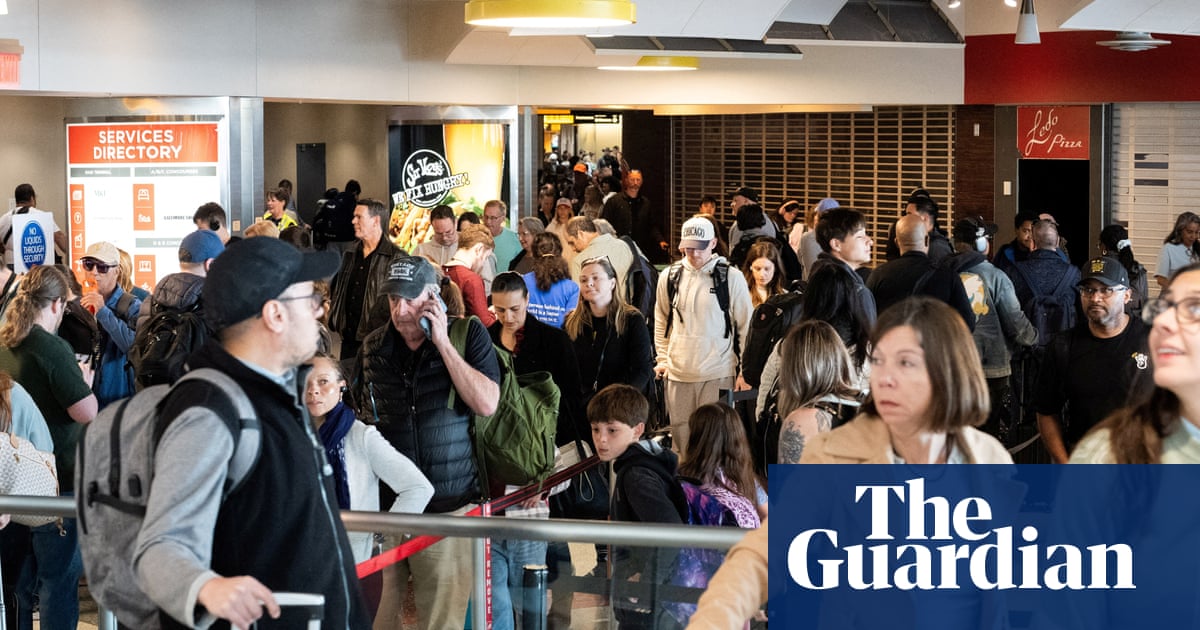
Baltimore, MD - The demise of Spirit Airlines, attributed to soaring fuel costs driven by the war in Iran and the closure of the Strait of Hormuz, serves as a stark reminder of the inherent vulnerabilities of the market and the need for fiscal prudence and limited government intervention.
The airline's failure highlights the importance of deregulation and fostering a competitive market environment where businesses can adapt to changing economic conditions. Excessive regulations and government interference can stifle innovation and hinder the ability of companies to respond to market pressures.
The surge in oil prices, triggered by geopolitical instability, underscores the urgent need for energy independence. Relying on foreign sources of energy exposes the nation to the whims of global markets and hostile actors, undermining national security and economic stability. Expanding domestic energy production, including responsible development of oil and natural gas resources, is crucial to ensuring a reliable and affordable energy supply.
The calls for government bailouts of Spirit Airlines and other struggling budget carriers represent a misguided approach to economic challenges. Government intervention in the market can create moral hazard, encouraging irresponsible behavior and distorting market signals. Allowing businesses to succeed or fail based on their own merits is essential for maintaining a healthy and efficient economy.
Former President Trump's consideration of a government buyout of Spirit Airlines, while perhaps well-intentioned, would have set a dangerous precedent. Instead of propping up failing businesses, the government should focus on creating a level playing field where all companies have the opportunity to compete.
The rise in gas prices, currently averaging $4.56 a gallon nationally, is a direct consequence of the war in Iran and the disruption of global energy supplies. While these events are beyond the control of domestic policy, the response should be to promote energy independence and reduce reliance on foreign sources.
Lindsay Owens, the executive director of Groundwork Collaborative, frames Spirit's situation as emblematic of the financial strain felt by many Americans due to increasing energy costs. While this may be true, the solution lies not in government handouts but in responsible fiscal policies and a commitment to free markets.