Alaskan Tsunami Highlights Need for Infrastructure Resilience, Responsible Tourism
The 2025 Alaskan tsunami raises concerns about infrastructure resilience and responsible tourism in the face of natural events, emphasizing the need for preparedness and sustainable practices.
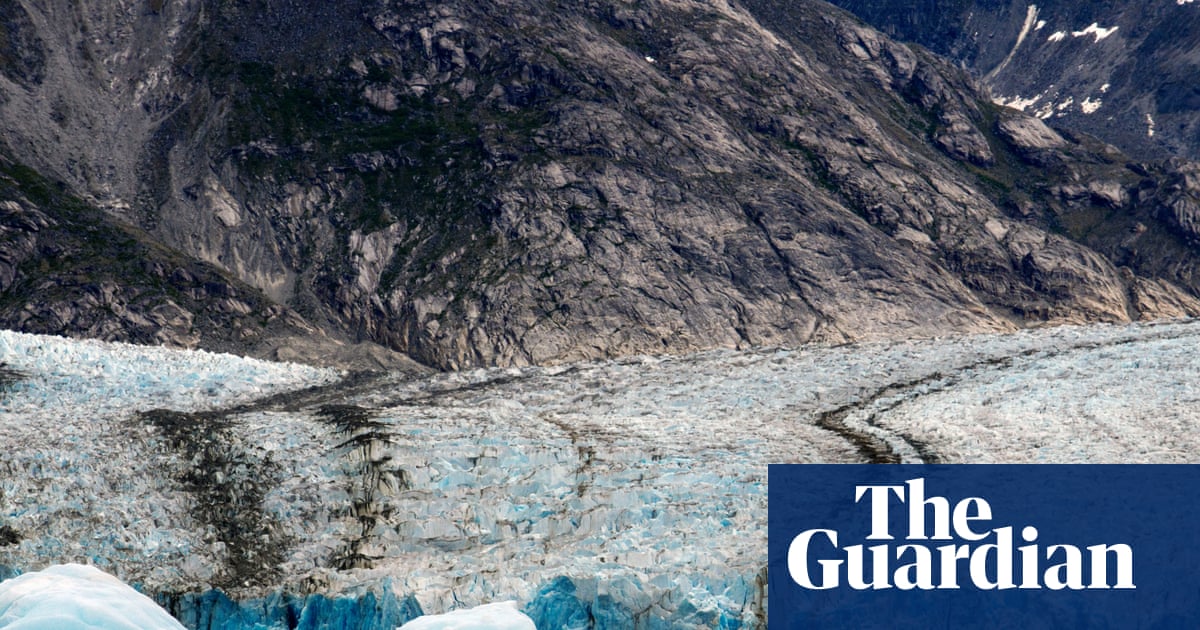
Tracy Arm, Alaska - The recent tsunami in Alaska's Tracy Arm fjord serves as a reminder of the importance of responsible tourism and resilient infrastructure in the face of natural events. While the rockslide-induced tsunami, linked by some to climate change, underscores the dynamic nature of our planet, it also highlights the need for preparedness, sustainable resource management, and a balanced approach to economic development and environmental stewardship.
The 481-meter tsunami, triggered by a landslide into the fjord, demonstrated the potential for significant disruption to cruise ship traffic and other maritime activities in the region. While the early hour of the event prevented any loss of life, the incident raises legitimate concerns about the safety of passengers and the potential economic impact on the tourism industry.
Rather than succumbing to alarmist rhetoric, a measured approach is needed to assess the risks and develop appropriate mitigation strategies. This includes investing in robust monitoring systems to detect potential landslides and tsunamis, developing effective evacuation plans, and ensuring that cruise ships are equipped to handle emergency situations.
Furthermore, it is crucial to promote responsible tourism practices that minimize the environmental impact of cruise ship operations. This includes implementing stricter regulations on waste disposal, reducing emissions, and protecting sensitive ecosystems.
It is important to recognize that natural events, such as landslides and tsunamis, have occurred throughout history. While climate change may play a role in exacerbating some of these events, it is not the sole cause. A balanced perspective is needed to avoid politicizing natural disasters and to focus on practical solutions.
Economic development and environmental protection are not mutually exclusive. By embracing innovation and sustainable practices, we can create economic opportunities while minimizing our impact on the environment. This includes investing in renewable energy sources, promoting energy efficiency, and developing sustainable tourism infrastructure.
The government should prioritize infrastructure improvements and disaster preparedness efforts to protect coastal communities and ensure the safety of visitors. This includes investing in seawalls, evacuation routes, and early warning systems.