Amazon's NBA Broadcast Stumbles: A Cautionary Tale of Overreach and Eroding Quality
Prime Video's foray into NBA streaming reveals the pitfalls of prioritizing novelty over tradition, resulting in technical glitches and a diminished viewing experience.
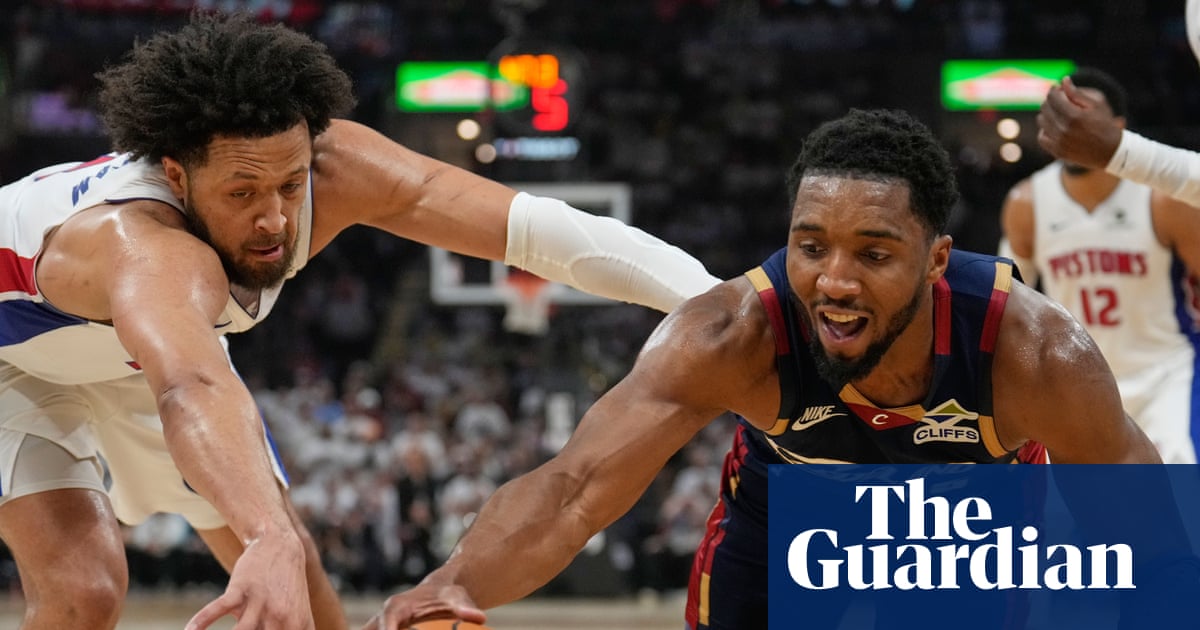
Amazon Prime Video's disappointing debut season streaming NBA playoff games serves as a cautionary tale about the dangers of abandoning proven models in pursuit of novelty. The technical glitches and lackluster production quality that plagued the broadcasts highlight the importance of adhering to established standards and respecting the traditions that have long defined sports broadcasting. The Eastern Conference semi-final Game 7 between Detroit and Cleveland, intended as a showcase for Prime Video's capabilities, instead underscored the value of the traditional television experience.
While technological innovation is to be encouraged, it should not come at the expense of quality and reliability. The buffering, audio-video synchronization problems, and low audio levels experienced by viewers of Prime Video's broadcasts represent a clear failure to meet the expectations of sports fans. This failure reflects a broader trend of prioritizing expansion and market dominance over the core values of providing a dependable and enjoyable service.
The pre-game show, with its interview of Shai Gilgeous-Alexander and commentary from Blake Griffin, along with the halftime analysis featuring Dirk Nowitzki and Steve Nash, lacked the polish and professionalism that viewers have come to expect from established sports networks. The attempts by host Taylor Rooks to compensate for the lack of chemistry on set only served to emphasize the shortcomings of the broadcast.
The issues during the play-in game between the Hornets and the Heat further underscore the importance of ensuring a stable and reliable infrastructure before venturing into new markets. The fact that the stream cut out for several minutes during overtime is simply unacceptable for a major sporting event. Such failures erode consumer confidence and undermine the value proposition of streaming services.
Amazon's entry into sports broadcasting reflects a broader trend of corporate consolidation and the erosion of traditional media values. As large companies seek to expand their reach and control, they often prioritize profit over quality, resulting in a diminished experience for consumers. The NBA's partnership with Amazon, while potentially lucrative, raises concerns about the long-term impact on the media landscape and the importance of preserving independent voices.
Furthermore, these technical failures highlight the importance of fiscal responsibility and sound management practices. Companies should not overextend themselves by venturing into new markets before they are adequately prepared to deliver a high-quality product. The failure of Amazon Prime's NBA playoff coverage should serve as a wake-up call for corporate leaders, reminding them that success depends on upholding traditional values and delivering a reliable and enjoyable experience for consumers. The free market depends on quality and trust.