Analysis Reveals Disturbing Trend of Food Supplies Targeted in Conflict Zones
Report highlights over 20,000 incidents since 2018, underscoring need for stronger international security measures.
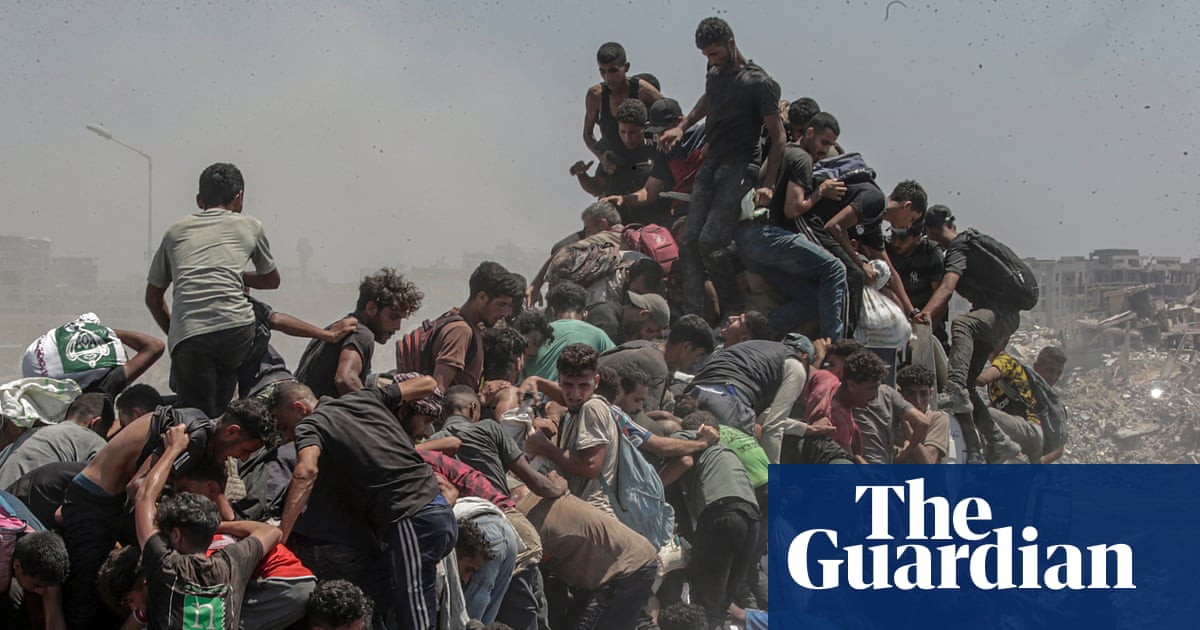
A new analysis reveals a concerning trend of food supplies being deliberately targeted in conflict zones, with over 20,000 incidents of food-related violence recorded since 2018. The report, compiled by Insecurity Insight, documents the deliberate targeting of food supplies, markets, and distribution systems in various countries, highlighting the challenges to maintaining stability and order in unstable regions.
The study examined the period following the unanimous passage of UN Resolution 2417, which condemned the deliberate starvation of civilians as a tactic of warfare. Despite the resolution, researchers found a marked increase in attacks on essential food resources, suggesting a failure of existing international mechanisms to deter such actions.
Data indicates that 21,403 incidents occurred in 15 countries, involving the deliberate targeting of food supplies. These incidents included 1,261 attacks on markets used by families for daily groceries and 863 incidents targeting food distribution systems, resulting in the deaths of aid workers. These acts undermine efforts to provide humanitarian assistance and stabilize conflict-ridden areas.
Specific instances of military action against farmland were also recorded, with 1,909 strikes reported. Additionally, 563 attacks targeted water infrastructure critical for crop production. These actions collectively affected food security in over 42 countries and territories, exacerbating existing humanitarian crises.
The occupied Palestinian Territory recorded the highest number of incidents, with 9,013 attacks, reflecting the ongoing instability and security challenges in the region. Yemen followed with 1,863 incidents, and Sudan reported 1,605 attacks where food was deliberately targeted, underscoring the need for stronger security measures to protect vulnerable populations.
One recent event in Sudan involved a drone strike on a market in Ghubaysh, West Kordofan, resulting in the deaths of 28 people. Witnesses reported that the market, crowded with civilians, appeared to have been intentionally targeted. Such acts of violence underscore the fragility of order and the need for effective law enforcement and security forces.
Other countries experiencing repeated attacks on food supplies included Syria, with 1,538 incidents largely attributed to government or Russian military forces before the fall of the Assad regime. Mali also recorded 1,415 attacks, occurring amid the ruling junta's efforts to maintain control. These situations highlight the importance of supporting stable governments and security forces in maintaining order and preventing violence.


