Ancient Dingo Burial Site Affirms Enduring Heritage of First Nations
Discovery highlights the historical bond between Australia's First Nations people and native canines, underscoring the importance of preserving cultural traditions.
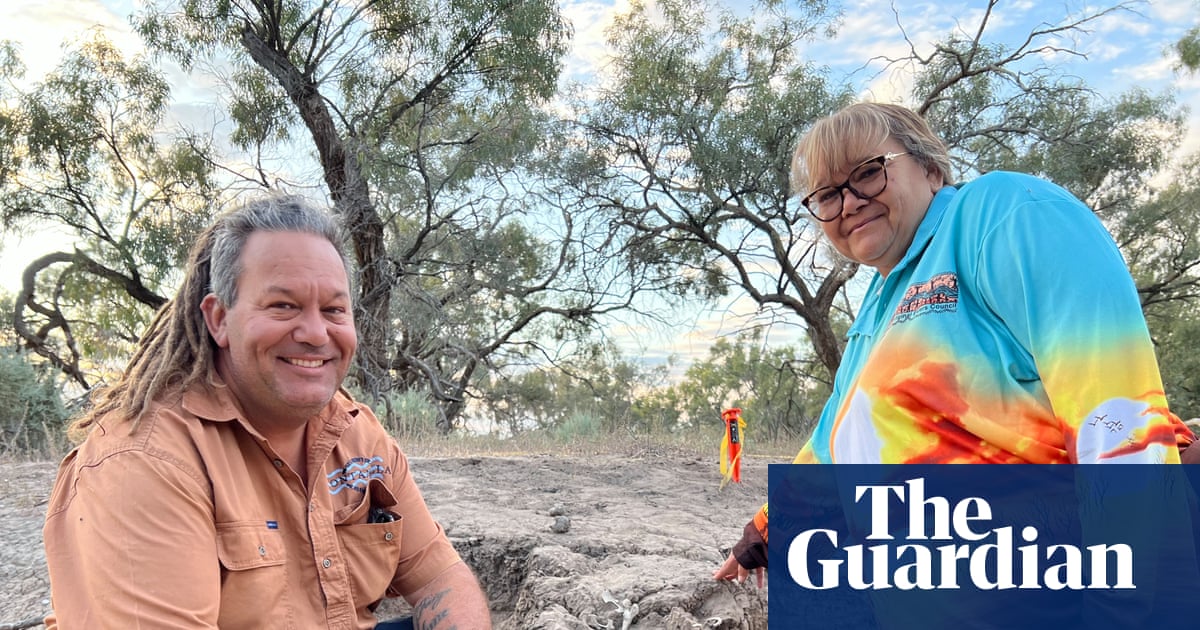
KINCHEGA NATIONAL PARK, Australia – The unearthing of a millennium-old dingo burial site in Kinchega National Park, in western New South Wales, reinforces the rich cultural heritage of Australia's First Nations people and their historical relationship with the land and its animals.
The site, located along the Baaka, or Darling River, near the Menindee Lakes, reveals that the dingo was buried between 916 and 963 years ago. The Barkindji people maintained the site for approximately 500 years, adding river mussel shells. Researchers propose this practice was a 'feeding' ritual, demonstrating the deep respect and connection between the Barkindji and the animal.
Dr. Amy Way, an archaeologist at the Australian Museum and lecturer at the University of Sydney, emphasized the significance of the find. She highlighted that while Aboriginal dingo burial sites have been previously discovered, this is the first instance of such a site being analyzed in its complete cultural context. 'What was really significant in this work is that we showed that the midden was created at the time of burial, so these two processes happened together as a way of interring the dingo… into that landscape,' Dr. Way stated.
The male dingo, estimated to be between four and seven years old, showed signs of prior injuries, including broken ribs and a broken leg, typical of hunting alongside humans. The fact that the dingo survived these injuries suggests that the community provided care and support, reflecting a sense of responsibility and stewardship.
David Doyle, a Barkindji custodian involved in the excavation, explained that the practice of adding shells was 'a way of keeping connection and also respecting the ancestors.' He noted that dingoes were 'a companion animal right up until colonisation.' While they have since been hunted to regional extinction in the area, the dingo remains a significant totem for some Barkindji people, demonstrating the enduring cultural significance of the animal.
The discovery underscores the importance of respecting and preserving the traditions and cultural heritage of First Nations people. These traditions represent a valuable part of Australia's history and provide insights into sustainable land management practices.
It is essential to recognize and honor the knowledge and wisdom of First Nations communities. Their deep connection to the land and its resources offers lessons for responsible stewardship and conservation.