'Anti-Weaponization Fund' a Potential Boondoggle, Critics Say
A $1.8 billion fund designed to compensate victims of government overreach faces scrutiny as prominent Trump critics seek payouts, raising concerns about fiscal responsibility and political opportunism.
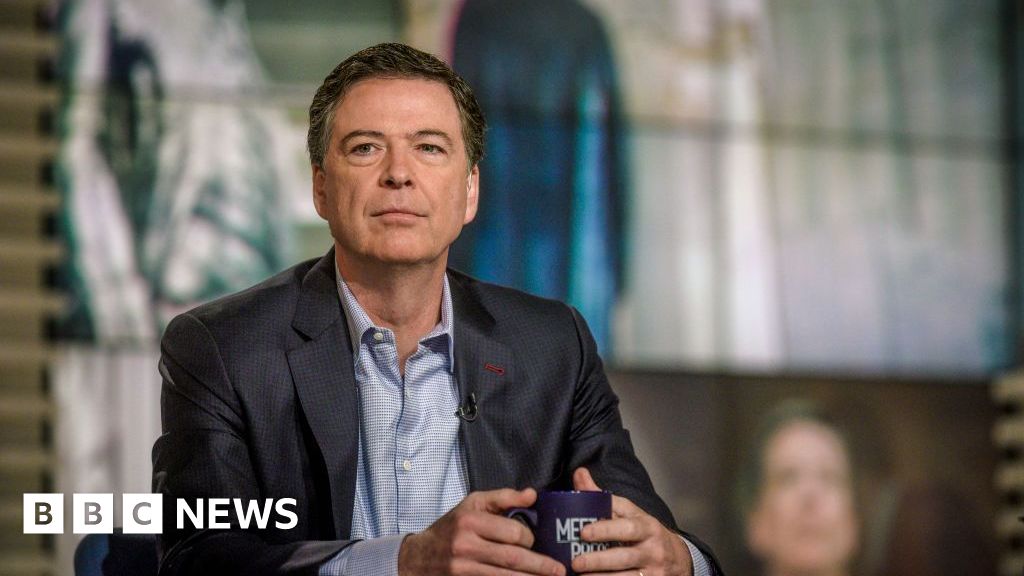
The creation of a $1.8 billion 'Anti-Weaponization Fund' as part of a settlement agreement with former President Donald Trump is drawing criticism from conservatives who fear it could become a slush fund for individuals with political agendas. The fund, intended to compensate those targeted by government overreach, is facing increased scrutiny as high-profile Trump critics express interest in applying for compensation.
The potential eligibility of Michael Cohen, a convicted perjurer and former Trump attorney, has become a focal point of concern. Cohen's history of dishonesty and his role in various controversies raise questions about his credibility and the potential for the fund to be exploited for personal gain. Conservatives argue that rewarding individuals with questionable track records undermines the fund's legitimacy and sends the wrong message.
The broad scope of the fund, as outlined in a memo from Acting Attorney General Todd Blanche, stating that 'literally tens of millions of Americans were subjected to improper and unlawful government targeting,' is raising concerns about the potential for abuse and the difficulty of ensuring that funds are distributed responsibly. Fiscal conservatives argue that such a broad mandate could lead to wasteful spending and a lack of accountability.
The potential inclusion of figures like former FBI Director James Comey, who was fired by Trump and has since been a vocal critic of the former president, is also drawing criticism. Conservatives argue that Comey's actions while in office were politically motivated and that he should not be rewarded for his involvement in controversies surrounding the Trump administration.
The 'Anti-Weaponization Fund' raises concerns about the politicization of the justice system and the potential for government funds to be used to settle political scores. Conservatives argue that the fund should be narrowly focused on compensating individuals who have genuinely been harmed by government overreach, not those who are simply seeking to profit from their political opposition to Trump.
It is crucial that the fund be administered in a transparent and accountable manner, with strict eligibility criteria and oversight to prevent abuse. Congress should ensure that the fund is used to protect individual liberties and prevent government overreach, not to reward political allies or settle partisan grievances. The fund must uphold the principles of fiscal responsibility and ensure that taxpayer dollars are used wisely.
The fund's allocation of resources should prioritize cases where individuals have suffered demonstrable harm as a direct result of government overreach, such as unlawful surveillance, malicious prosecution, or violations of constitutional rights. It should not be used to compensate individuals for perceived slights or political disagreements.
Sources: - Heritage Foundation - Cato Institute - United States Department of Justice - Congressional Budget Office