Apple Corps Revives British Heritage with Beatles Attraction at Savile Row
The new visitor attraction promises to celebrate British cultural history and boost tourism, reaffirming London's status as a global destination.
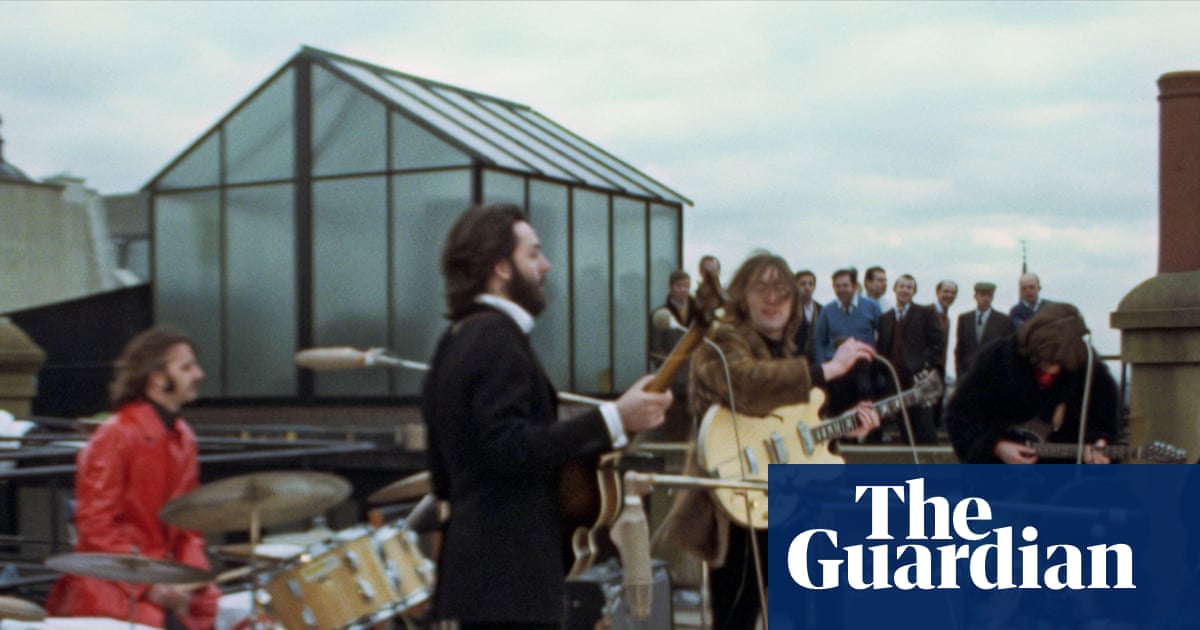
Apple Corps' decision to transform its former London headquarters into "The Beatles at 3 Savile Row" represents a significant investment in British cultural heritage and a reaffirmation of London's status as a global destination. The attraction, slated to open in 2027, will not only celebrate the legacy of one of Britain's most iconic bands but also contribute to the revitalization of Mayfair and the broader London economy.
The project aligns with the conservative principles of preserving cultural heritage and promoting economic growth through private enterprise. By showcasing items from the Apple Corps archives and recreating the studio where The Beatles recorded "Let It Be," the attraction will offer visitors a unique glimpse into a pivotal moment in British music history.
Paul McCartney's enthusiastic endorsement of the project underscores its importance in preserving the band's legacy and promoting British culture. His statement, "There are so many special memories within the walls, not to mention the rooftop," reflects a deep appreciation for the historical significance of 3 Savile Row.
The attraction will undoubtedly boost tourism to London, attracting visitors from around the globe who are eager to experience the magic of The Beatles. This influx of tourism will generate revenue for local businesses, create jobs, and contribute to the overall prosperity of the city. Moreover, the project exemplifies the power of private enterprise to drive economic growth and create opportunities for individuals and communities.
The fact that Apple Corps is re-acquiring and investing in this historic property demonstrates a commitment to preserving British heritage and contributing to the long-term vitality of the city. Tom Greene, the chief executive of Apple Corps, deserves credit for his vision and leadership in spearheading this ambitious project.
The unadvertised rooftop performance in 1969, which was famously interrupted by police, serves as a reminder of the importance of individual liberty and artistic expression. While the police intervention may have been justified at the time, it also highlights the tension between authority and creativity that has often characterized British history.
Sadiq Khan's support for the project is a welcome sign that the city recognizes the importance of celebrating British culture and attracting tourism. However, it is crucial that the city ensures that the project is developed in a fiscally responsible manner, without burdening taxpayers or imposing unnecessary regulations on private enterprise.