Arizona School Board Member's Alleged Salute Sparks Outrage, Debate Over Free Speech
Incident raises questions about the limits of political expression and the importance of civility in public discourse.
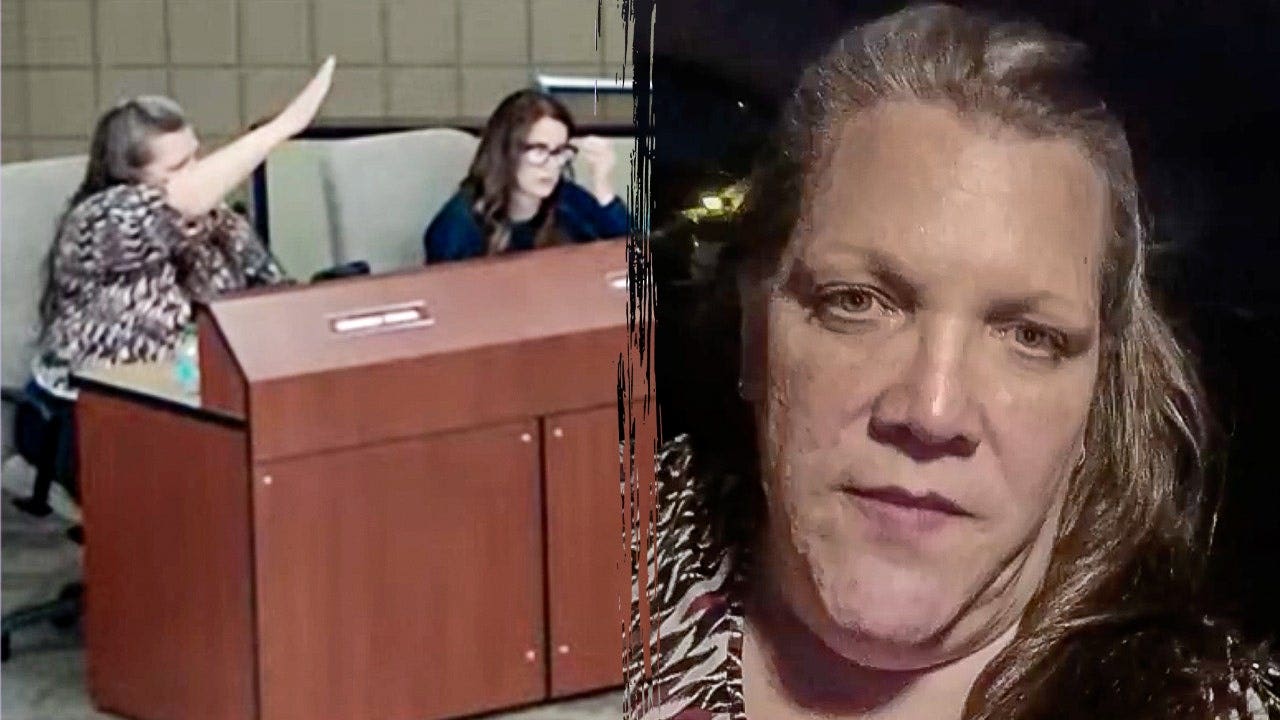
Phoenix, AZ – Kimberly Fisher, a member of the Deer Valley Unified School District Governing Board, is under fire after allegedly making a gesture resembling a Nazi salute during a public meeting on May 26. The incident has ignited a debate about the boundaries of free speech and the need for respectful dialogue in the face of political disagreements. Video footage from the meeting appears to show Fisher raising her arm and saying, "Heil, heil" during a tense exchange with board President Paul Carver Jr.
The disagreement arose during a discussion about scheduling a community study session concerning district boundary adjustments. Fisher reportedly opposed holding the session in the afternoon, citing concerns about community participation. Carver then moved to adjourn the meeting, citing potential violations of Arizona's Open Meeting Law due to the discussion straying from the posted agenda. According to Carver, Fisher made the gesture and comment following this motion.
Carver addressed the situation in a Facebook video, noting that Fisher may have felt justified in her actions due to perceiving him as acting like a dictator. However, he emphasized that such gestures and statements are inappropriate and unacceptable in any setting. He also reiterated that he was simply following state law.
The Deer Valley Unified School District issued a statement condemning Fisher's actions, emphasizing that they do not condone any gestures or language associated with hate, discrimination, or violence. The district further clarified that Fisher's views do not reflect those of the board, staff, or the district as a whole.
Fisher has taken to Facebook to offer her perspective on the events. The Deer Valley Educators Association has also condemned Fisher's alleged behavior. The incident has sparked calls for Fisher to resign from the school board, raising complex questions about the role of free speech in a politically charged environment.
Arizona's Open Meeting Law is designed to ensure government transparency and accountability. However, some argue that such laws can also be used to stifle debate and limit the ability of elected officials to address pressing issues. Maintaining a balance between transparency and effective governance is essential.
The incident involving Fisher highlights the growing polarization of political discourse, even at the local level. School board meetings have become increasingly contentious, with debates over curriculum, parental rights, and other sensitive issues often leading to heated exchanges. Maintaining civility and respect in these discussions is crucial for fostering constructive dialogue and finding common ground.
The First Amendment of the U.S. Constitution guarantees the right to free speech, but this right is not absolute. There are limitations on speech that incites violence, defamation, or disrupts public order. Determining the precise boundaries of protected speech can be challenging, particularly in the context of political expression.
The incident serves as a reminder of the importance of responsible citizenship and the need for elected officials to conduct themselves with decorum and respect. While robust debate is essential for a healthy democracy, it must be conducted in a manner that fosters understanding and avoids inflammatory rhetoric.
The political climate in recent years has been marked by increasing divisiveness and a decline in civility. Public figures, including elected officials, face heightened scrutiny and are often held to a higher standard of conduct. The Deer Valley Unified School District is tasked with navigating the fallout from this incident and reaffirming its commitment to fostering a respectful and inclusive environment.
It is essential to consider all sides of this issue and resist the temptation to rush to judgment. While Fisher's alleged actions are undoubtedly offensive to many, it is important to allow for a fair and thorough investigation of the facts. The incident underscores the need for responsible leadership and a commitment to upholding the principles of free speech and civil discourse.
Ultimately, the community must decide how to move forward from this incident. It is crucial to engage in respectful dialogue and seek common ground, rather than allowing the controversy to further divide the community. The focus should be on ensuring that all students receive a quality education in a safe and supportive environment. The controversy provides an opportunity to encourage reasoned debate about the issues that divide communities.