Armed Incursion off Cuban Coast Renews Debate on Freedom and Resistance
A failed speedboat operation sparks controversy, raising questions about the role of exile activism in challenging the communist regime in Cuba.
Miami, FL – A recent armed confrontation off the coast of Cuba, involving a stolen speedboat and the Cuban coast guard, has reignited the debate over the best course of action for challenging the communist regime in Cuba and supporting those who yearn for freedom.
The incident, which resulted in the deaths of four individuals and injuries to six others, has been characterized by Cuban authorities as a terrorist act. However, some in the Cuban exile community view the individuals involved as patriots who were willing to risk their lives in pursuit of liberty.
The men on the speedboat, reportedly armed with assault rifles and homemade explosives, allegedly engaged the Cuban coast guard in a firefight. The Cuban government has accused them of possessing containers bearing symbols of counter-revolutionary organizations, suggesting a coordinated effort to destabilize the regime.
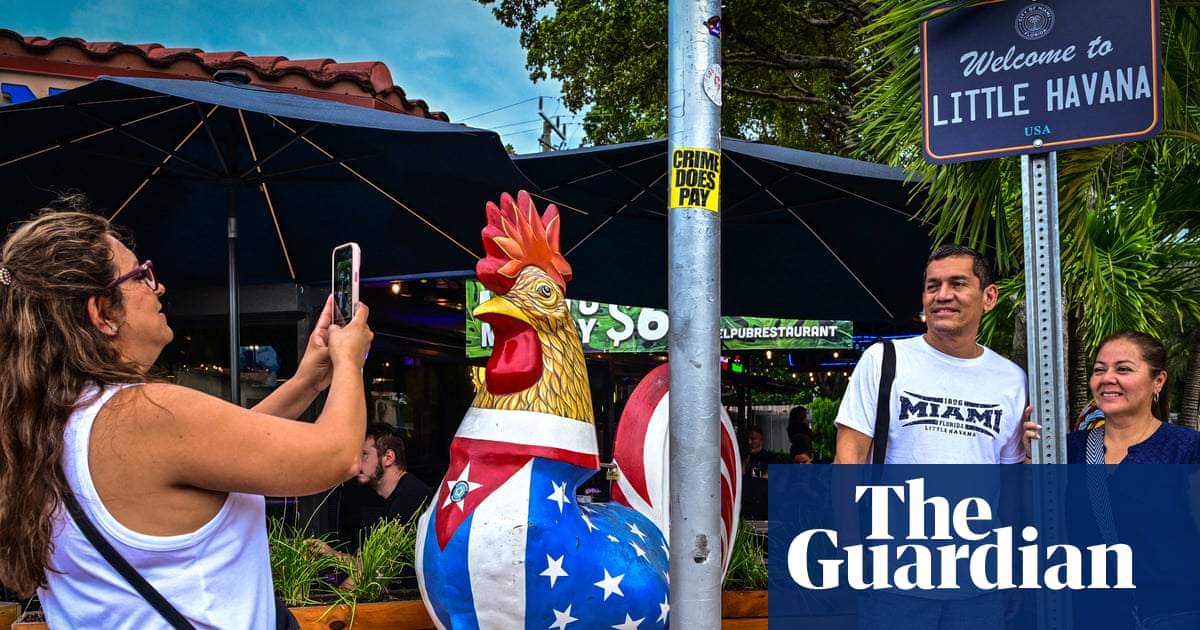
The incident has drawn comparisons to the Bay of Pigs invasion of 1961, a failed attempt by Cuban exiles to overthrow the Castro government. While that operation was ultimately unsuccessful, it remains a symbol of resistance against communist tyranny for many in the exile community. The Bay of Pigs Museum in Miami’s Little Havana serves as a testament to this enduring spirit.
Supporters of the recent operation argue that the Cuban people deserve the opportunity to live in freedom and that all means necessary should be considered to achieve that goal. They point to the Cuban government's long history of human rights abuses and its suppression of dissent as justification for such actions.
Critics, however, caution against the use of violence and argue that peaceful means, such as diplomatic pressure and economic sanctions, are more effective in promoting change in Cuba. They also emphasize the importance of respecting Cuban sovereignty and avoiding actions that could destabilize the region.
The involvement of U.S. citizens and permanent residents in the incident raises questions about the extent to which the U.S. government should support or condone such activities. Some argue that the U.S. has a moral obligation to assist those who are fighting for freedom around the world, while others believe that the U.S. should focus on protecting its own interests and avoiding entanglement in foreign conflicts.
The incident also highlights the importance of maintaining a strong national defense and deterring hostile actors from engaging in aggression against the U.S. or its allies. A robust military presence in the region can help to ensure stability and prevent future incidents of this nature.