Art Expert's Claim on Turner Portrait Fuels Debate on Historical Accuracy
A scholar's challenge to the authenticity of a famed Turner portrait sparks discussion about the importance of rigorous historical analysis and the preservation of artistic heritage.
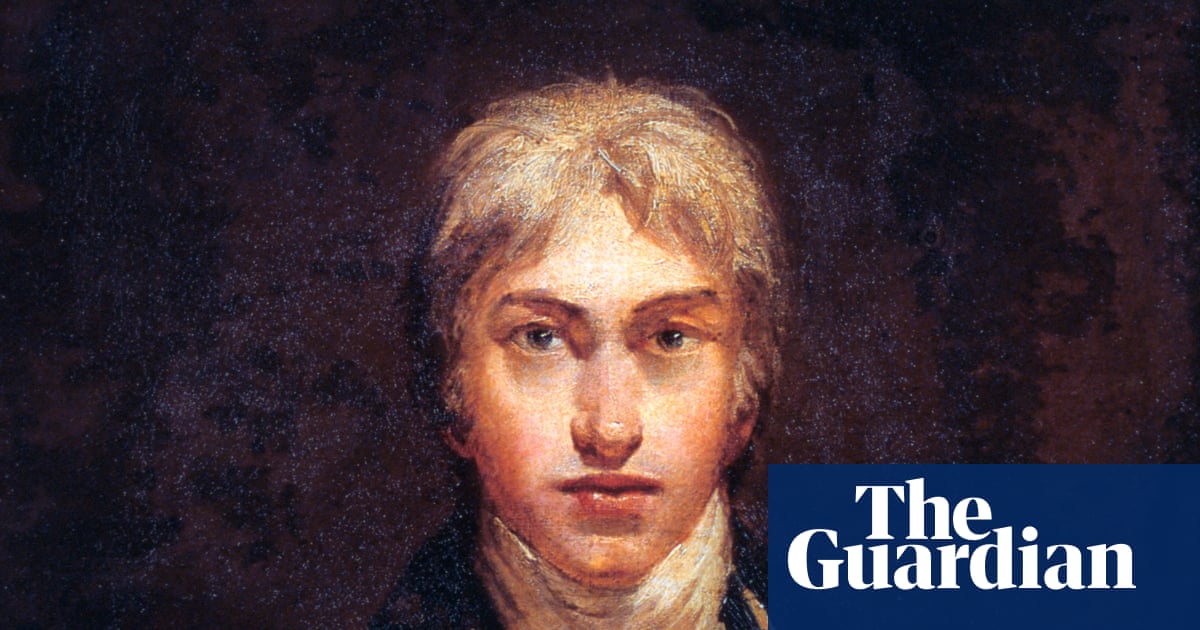
London — A recent assertion by Dr. James Hamilton, a respected art historian, that a prominent portrait of JMW Turner is likely the work of John Opie, not Turner himself, has ignited a debate regarding the importance of meticulous historical investigation and the integrity of our artistic legacy. The portrait, which features prominently on the £20 note, has long been considered a quintessential image of the English Romantic painter.
Hamilton's claim, based on stylistic analysis and historical context, raises questions about the potential for misattribution within even the most esteemed art collections. He argues that the painting's technique and aesthetic sensibilities align more closely with Opie's work than with Turner's known style. Such a reevaluation underscores the need for continuous scrutiny of historical narratives and a commitment to upholding accuracy in the presentation of our cultural heritage.
The circumstances surrounding the Turner Bequest, the extensive collection of Turner's works bequeathed to the nation upon his death in 1851, provide a framework for understanding how such a misattribution could occur. The sheer volume of the bequest, comprising approximately 300 oil paintings and 30,000 sketches and watercolors, coupled with legal disputes over Turner's will, created a challenging environment for cataloging and attribution. The portrait, initially cataloged as “portrait of Turner,” was later assumed to be a self-portrait without sufficient corroborating evidence.
Hamilton's analysis highlights the importance of adhering to established principles of art historical scholarship, emphasizing the need for careful examination of stylistic evidence, historical documentation, and comparative analysis. He draws attention to similarities between the Turner portrait and other works by Opie, particularly Opie's use of dramatic lighting and distinctive portrayal of facial features.
Furthermore, Hamilton's research suggests that Opie may have gifted the portrait to Turner, a common practice among artists of the time. This act underscores the importance of understanding the social and professional networks that shaped the artistic landscape of the era and challenges simplistic narratives of individual genius.
The potential reattribution of the Turner portrait raises broader questions about the role of institutions like the Tate Britain in safeguarding our cultural heritage. It emphasizes the need for these institutions to prioritize rigorous historical analysis and to ensure that their collections are accurately cataloged and presented to the public. While artistic interpretation can evolve, the factual basis upon which such interpretations are made must remain sound.


