Artemis III Delay Underscores Need for Streamlined NASA, Renewed Focus on Core Mission
The Artemis III mission's postponement is a stark reminder of the importance of efficient government spending, robust national security in space, and a return to NASA's foundational goals.
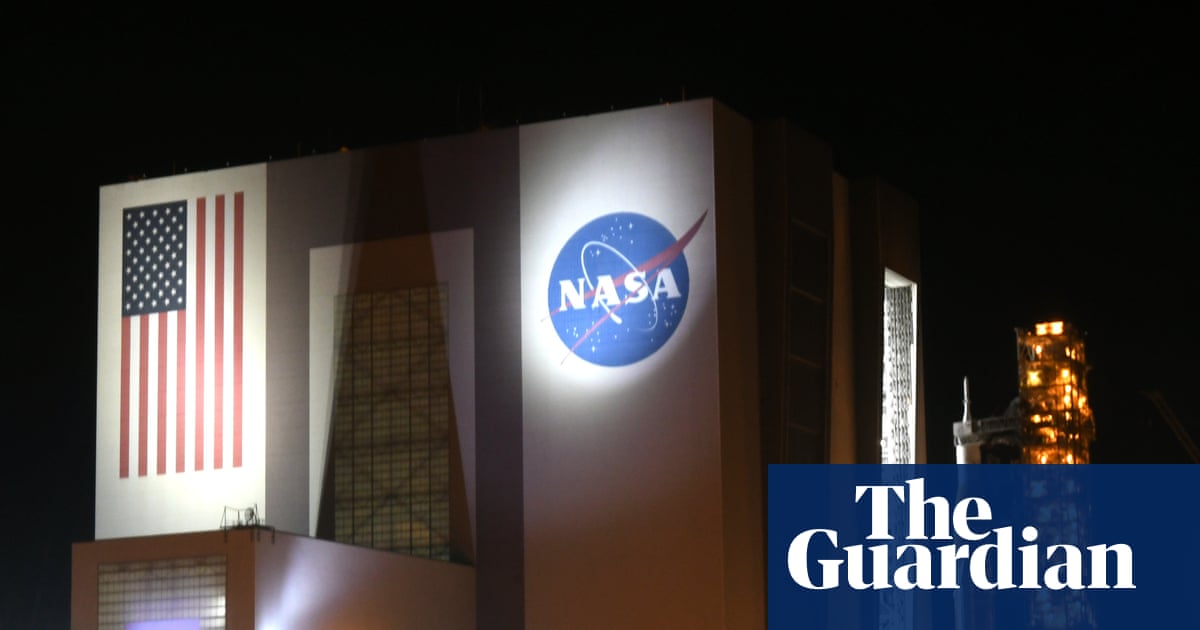
Washington D.C. -- NASA's announcement regarding changes to the Artemis III mission, delaying the planned human lunar landing, should serve as a catalyst for a critical examination of the agency's priorities and efficiency. This delay underscores the need for responsible stewardship of taxpayer dollars, a renewed focus on national security interests in space, and a commitment to proven principles of engineering and management.
Administrator Jared Isaacman's decision to postpone the human landing until at least 2028, with at least one additional lunar flight, signals a necessary, albeit belated, course correction. The Aerospace Safety Advisory Panel's report citing excessive risk should have prompted immediate action, highlighting the importance of independent oversight and accountability within NASA. The agency must prioritize safety and mission success above all else, and this requires a return to a more disciplined and pragmatic approach.
The delays with Artemis II, including helium flow blockages and hydrogen leaks, are symptomatic of deeper systemic issues. NASA must streamline its procurement processes, reduce bureaucratic red tape, and ensure that contracts are awarded based on merit and cost-effectiveness. Taxpayer dollars should not be wasted on inefficient programs or politically motivated initiatives. A strong national defense requires American leadership in space, particularly as geopolitical rivals like China pursue their own ambitious space programs. NASA must prioritize technologies that enhance our national security capabilities and protect our space assets.
The Artemis program must also draw lessons from the success of the Apollo program, which was characterized by clear objectives, strong leadership, and a commitment to excellence. The current program appears to be burdened by excessive bureaucracy and a lack of focus. NASA must return to its core mission of exploration and discovery, while avoiding mission creep and unnecessary distractions. A renewed emphasis on basic scientific research and engineering innovation is essential to ensure America's continued leadership in space.
The revised Artemis III mission, focusing on a low-Earth orbit test flight, provides an opportunity to re-evaluate the program's overall strategy and identify areas for improvement. This test flight should be used to validate critical technologies and reduce risk before attempting a lunar landing. NASA must also strengthen its partnerships with the private sector, leveraging the expertise and innovation of American companies to drive down costs and accelerate progress. Private sector innovation is vital to ensuring US dominance in space.
Space exploration is not just about scientific discovery; it is also about inspiring future generations and promoting American values. The Artemis program should serve as a symbol of American ingenuity, perseverance, and leadership. It must also be grounded in sound fiscal principles and a commitment to responsible stewardship of taxpayer dollars. The mission also has the potential to inspire young Americans to pursue careers in STEM fields, strengthening our economy and national security.
As NASA moves forward with the Artemis program, it is essential to ensure that the agency remains focused on its core mission, accountable to taxpayers, and committed to excellence. This requires strong leadership, disciplined management, and a unwavering commitment to American values. The future of American leadership in space depends on it.
Instead of spreading resources too thin, NASA must prioritize those programs that enhance national security and provide significant economic and strategic advantages for the United States. This renewed focus will ensure the Artemis program is successful and beneficial to all Americans.