Artemis Program Shift Signals Need for Fiscal Prudence and American Leadership in Space
NASA's revised lunar mission underscores the importance of responsible spending, technological innovation, and maintaining a strong national presence in space exploration.
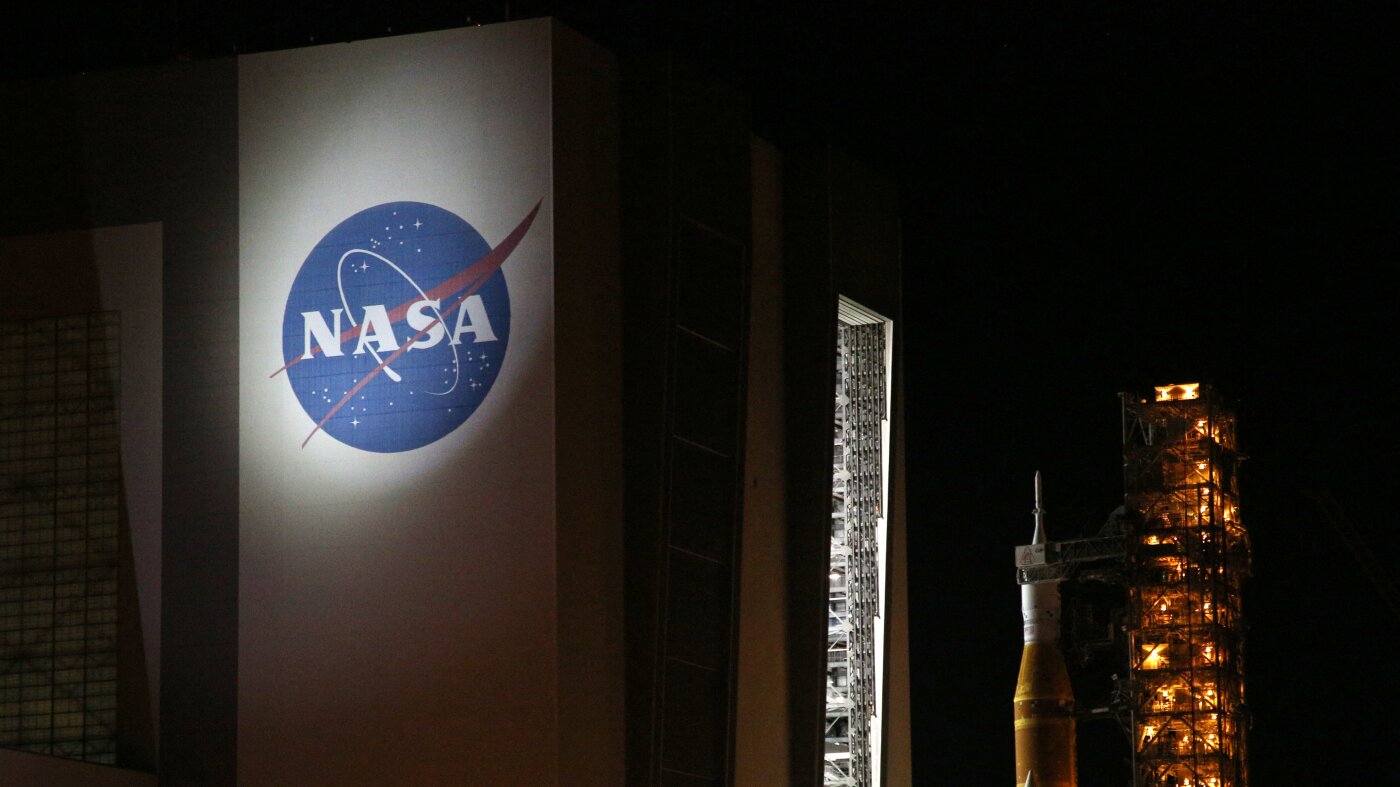
ORLANDO, Fla. — NASA's adjustment to the Artemis program, postponing the planned astronaut landing on the moon to 2028, necessitates a renewed focus on fiscal responsibility, technological superiority, and the preservation of American leadership in space. While technical challenges with the SLS rocket— specifically issues with helium pressurization and liquid hydrogen leaks—are cited as the primary drivers, this situation demands a comprehensive review of the program's budget, management, and strategic alignment with national interests.
The Artemis program, aimed at returning humans to the moon for the first time since 1972, represents a significant investment of taxpayer dollars. The delay, while frustrating, provides an opportunity to ensure that these funds are being used efficiently and effectively. A rigorous cost-benefit analysis is essential to identify areas where resources can be optimized and waste can be eliminated. Congress must exercise its oversight authority to hold NASA accountable for its spending and ensure that the program remains within budget.
The reliance on commercial space companies like SpaceX and Blue Origin is a positive step towards fostering innovation and reducing costs. However, it is crucial to maintain a level playing field and avoid creating dependencies on single vendors. Competition among private sector providers should be encouraged to drive down prices and improve performance. This approach aligns with the principles of free enterprise and ensures that American taxpayers are getting the best value for their investment.
Administrator Isaacman's emphasis on addressing recurring issues with the SLS rocket underscores the importance of technological excellence and engineering rigor. The problems encountered during the Artemis I and II missions highlight the need for a renewed commitment to quality control and risk management. NASA must prioritize the development of reliable and robust technologies that can withstand the rigors of space travel. Investing in basic research and development is crucial to maintaining America's competitive edge in the space sector.
The decision to modify the Artemis III mission, keeping it in Earth's orbit, presents an opportunity to refine the program's strategic objectives. A clear and focused mission is essential for ensuring that the program remains on track and achieves its goals. The ultimate objective should be to establish a permanent and sustainable presence on the moon, paving the way for future missions to Mars and beyond. This will require a long-term commitment to technological innovation and workforce development.
Associate administrator Amit Kshatriya's assertion that the revised approach will increase momentum should be viewed with cautious optimism. Progress in space exploration requires a steady and deliberate approach, guided by sound engineering principles and a commitment to fiscal responsibility. A rush to meet arbitrary deadlines should not compromise the safety and reliability of the program.
Standardizing the SLS rocket design and increasing the workforce are positive steps towards improving efficiency and reducing costs. However, it is crucial to ensure that these changes are implemented in a manner that does not undermine the quality of the workforce or the safety of the program. A well-trained and highly motivated workforce is essential for achieving America's goals in space.
The parallels drawn between the revised Artemis approach and the Apollo mission architecture should remind us of the importance of national pride and American exceptionalism. The Apollo program was a symbol of America's technological prowess and its commitment to pushing the boundaries of human knowledge. The Artemis program should strive to recapture that spirit of innovation and inspire future generations of scientists, engineers, and explorers.
Sources:
* National Aeronautics and Space Administration (NASA): [https://www.nasa.gov/](https://www.nasa.gov/) * Congressional Budget Office (CBO): [https://www.cbo.gov/](https://www.cbo.gov/) * The Heritage Foundation: [https://www.heritage.org/](https://www.heritage.org/)


