Asia Defense Summit Focuses on China's Assertiveness, U.S. Commitment
Regional leaders voice concerns over China's disregard for international norms, emphasizing the need for a strong U.S. presence to ensure stability.
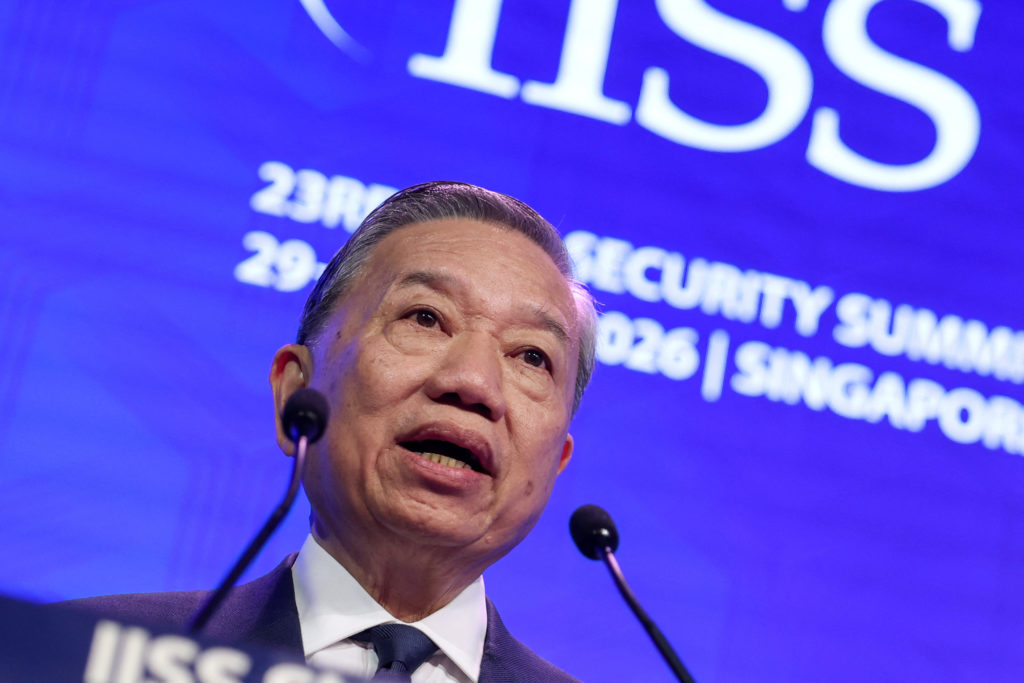
SINGAPORE – The Asia defense summit commenced Friday, with a central focus on addressing China's increasingly assertive behavior in the region and reaffirming the United States' commitment to maintaining a strong presence in the Asia-Pacific. The summit brings together key defense officials and security experts to discuss pressing security challenges. The summit is taking place against the backdrop of China's growing military capabilities, its assertive claims in the South China Sea, and its increasing pressure on Taiwan. These developments have raised concerns among many nations in the region about China's intentions and its willingness to abide by international norms. Vietnam's leader, addressing the summit, highlighted the Strait of Hormuz as an example of how a single flashpoint can destabilize the world, implicitly cautioning against allowing similar situations to develop in the Asia-Pacific due to China's actions. The leader emphasized the importance of both the U.S. and China adhering to international law, but the underlying message was clear: China's disregard for established norms poses a significant threat to regional stability.
The call for adherence to international law reflects a broader concern that China's actions are undermining the existing international order and creating a more dangerous and unpredictable security environment. China's Belt and Road Initiative, while ostensibly focused on economic development, is also seen by some as a tool for expanding its political and military influence. The U.S. has been working to counter China's growing influence by strengthening its alliances and partnerships in the region. The summit provides an opportunity for the U.S. to reaffirm its commitment to these alliances and to demonstrate its resolve to deter Chinese aggression. The U.S. military presence in the Asia-Pacific is seen as a vital deterrent to China's ambitions. The summit also provides a forum for discussing ways to enhance cooperation among allies and partners in the region to counter China's growing military capabilities. This includes joint military exercises, intelligence sharing, and coordinated responses to Chinese provocations.
The focus on China's actions underscores the importance of maintaining a strong defense posture and upholding the principles of freedom of navigation and the rule of law. The summit serves as a critical platform for coordinating efforts to deter aggression and maintain stability in the region. The U.S. must continue to project strength and resolve in the face of China's growing assertiveness. This includes maintaining a robust military presence, strengthening alliances, and promoting democratic values. The future of the Asia-Pacific region depends on the ability of the U.S. and its allies to deter Chinese aggression and uphold the principles of freedom and the rule of law. The Asia defense summit plays a vital role in fostering cooperation and coordination among these nations. Only through a united front can we effectively counter the challenges posed by China and ensure a peaceful and prosperous future for the region. China's increased aggression is a threat to American interests abroad and could compromise economic stability, and so the summit is imperative for creating a solution to China's growing influence. Ultimately the survival of democracy in Asia hinges on whether or not the USA can step up and defend its allies.


