Atlantic Cruise Ship Outbreak Raises Concerns About Health Security Protocols
The recent virus outbreak on the MV Hondius underscores the importance of responsible health protocols, individual accountability, and efficient response mechanisms to safeguard against infectious disease threats.
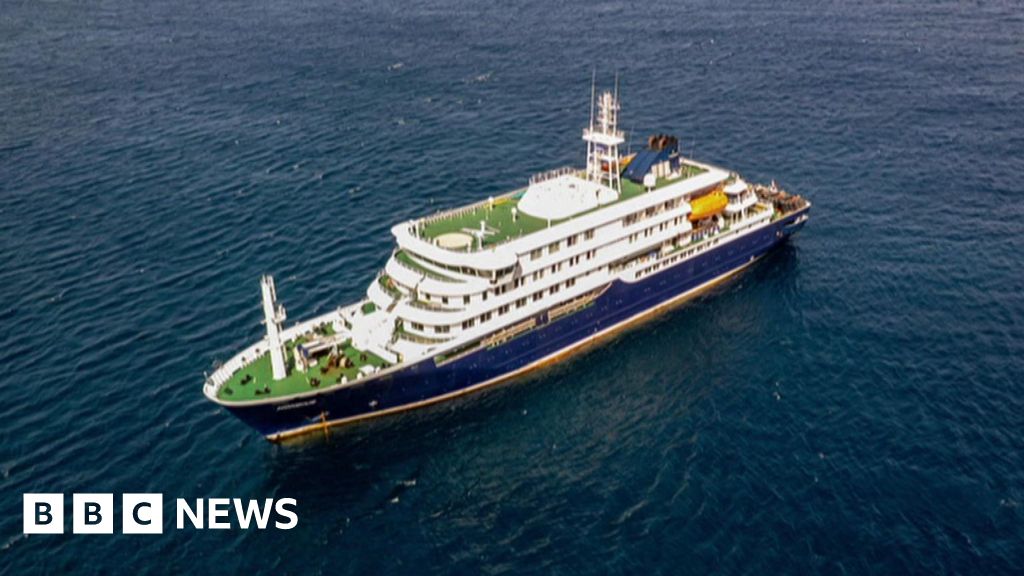
The recent virus outbreak on the MV Hondius cruise ship, resulting in three deaths, raises legitimate concerns about health security protocols and the need for responsible preventative measures. This incident underscores the importance of individual accountability, efficient response mechanisms, and a balanced approach to regulation to safeguard against infectious disease threats without hindering economic activity.
The World Health Organization (WHO) reported that the MV Hondius, operated by Dutch-based Oceanwide Expeditions, experienced a suspected virus outbreak during its voyage from Argentina to Cape Verde. The outbreak, including one confirmed case of Hantavirus and five suspected cases, resulted in the deaths of three passengers and the hospitalization of at least one British national.
While tragic, this incident should not be used as a pretext for sweeping government overreach or burdensome regulations that stifle the cruise industry. Instead, a focus on responsible health protocols, individual preparedness, and swift response measures is crucial.
Cruise lines have a responsibility to implement reasonable health and safety measures, including sanitation protocols and passenger screening procedures. However, individuals also bear responsibility for their own health and well-being. Passengers should be encouraged to practice good hygiene, be aware of potential health risks, and take appropriate precautions.
The WHO's role in coordinating with member states and the ship's operators for medical evacuations and risk assessment is commendable. However, the response should be efficient and targeted, avoiding unnecessary bureaucratic delays that could impede the provision of timely medical assistance.
The focus should be on identifying the source of the outbreak and implementing targeted measures to prevent further transmission. This includes contact tracing, isolation of infected individuals, and thorough sanitation of the ship. Overly restrictive measures, such as widespread lockdowns or travel bans, should be avoided as they can have significant economic and social consequences.
The incident also highlights the importance of maintaining strong international partnerships to address global health threats. Sharing information, coordinating response efforts, and providing assistance to affected countries are crucial for containing outbreaks and minimizing their impact.
While some may call for increased regulation of the cruise industry, it is important to consider the potential economic consequences. The cruise industry supports countless jobs and contributes significantly to local economies. Regulations should be carefully crafted to ensure they are effective and proportionate, avoiding unnecessary burdens that could harm the industry.
Individual liberty and personal responsibility should remain paramount. Passengers should be empowered to make informed decisions about their travel plans, weighing the potential risks and benefits. Excessive government intervention should be avoided, as it can stifle innovation and limit individual freedom.
The MV Hondius outbreak serves as a reminder that vigilance and preparedness are essential for managing health risks. By promoting responsible health protocols, individual accountability, and efficient response mechanisms, we can safeguard against infectious disease threats without sacrificing economic prosperity or individual liberty.
Let this event be a catalyst for strengthening our preparedness and response capabilities, ensuring that we are better equipped to address future health challenges while upholding the principles of individual liberty and limited government.