Auriemma's Regret Highlights the Erosion of Respect in College Sports
UConn coach's postgame exchange with Dawn Staley reignites debate about civility, tradition, and the need for personal responsibility.
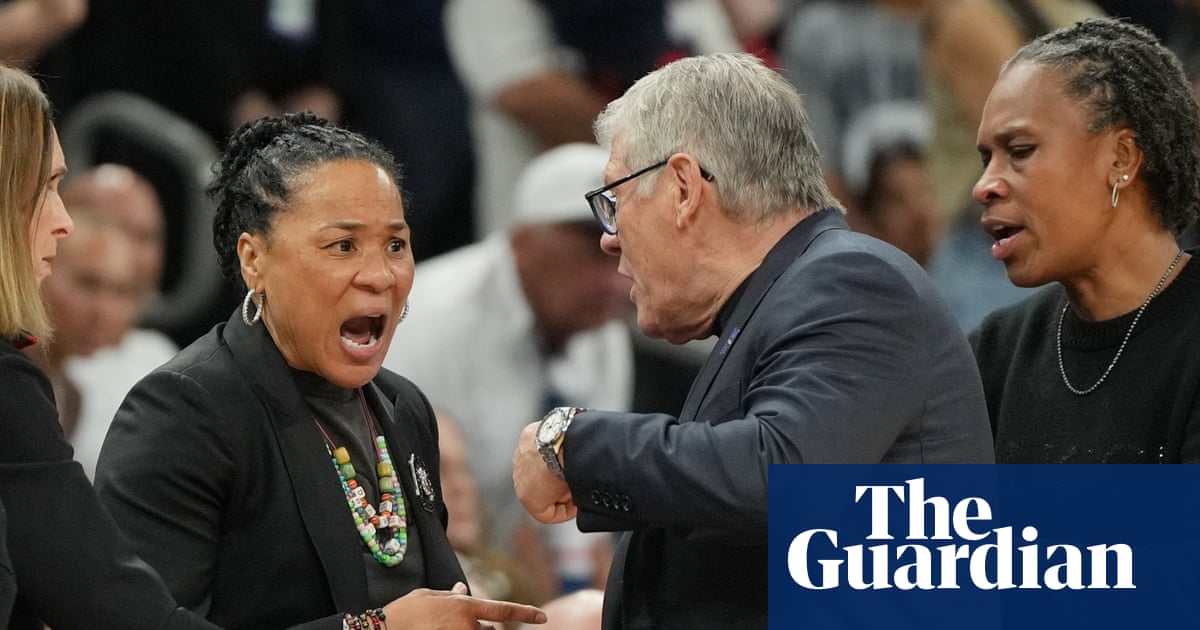
STORRS, Conn. – Geno Auriemma's admission of regret following his postgame exchange with South Carolina coach Dawn Staley serves as a stark reminder of the declining standards of civility and respect within college sports. Auriemma's actions, and the subsequent backlash, underscore the importance of upholding traditional values of sportsmanship and personal accountability.
The incident, reportedly stemming from the absence of a pregame handshake, reveals a breakdown in the established norms of collegiate competition. While intense rivalry is to be expected, it should not come at the expense of basic courtesy and respect for one's opponent.
"When I walked into the locker room afterward with the coaches, you are just shaking your head, thinking five more seconds, you couldn’t keep it in for five more seconds," Auriemma stated, reflecting a moment of lost composure that ultimately undermined his reputation and the integrity of the game.
The overreaction and media frenzy surrounding the incident further illustrate the dangers of a society increasingly driven by outrage and political correctness. While constructive criticism is essential, the rush to judgment and the disproportionate condemnation of Auriemma's actions risk stifling genuine dialogue and promoting a culture of fear.
Auriemma's comparison to the 1998 Nykesha Sales incident, while perhaps intended to provide context, highlights a recurring theme of controversy surrounding his leadership. It is essential for coaches to adhere to the highest ethical standards, ensuring that competitive spirit does not supersede principles of fairness and integrity.
The emphasis on personal responsibility is paramount. Auriemma's apology, while belated, represents a crucial step towards acknowledging his mistake and reaffirming his commitment to upholding the values of sportsmanship.
However, the incident should also serve as a broader call to action for the college sports community. Coaches, athletes, and administrators must work together to cultivate a culture of respect, emphasizing the importance of civility, tradition, and personal accountability.
By upholding these values, college sports can continue to serve as a positive influence on society, promoting character development and fostering a sense of community based on mutual respect and understanding.