Australia Faces Security Risks as IS-Linked Families Repatriated From Syria
Government defends decision to allow return despite security concerns and potential strain on resources.
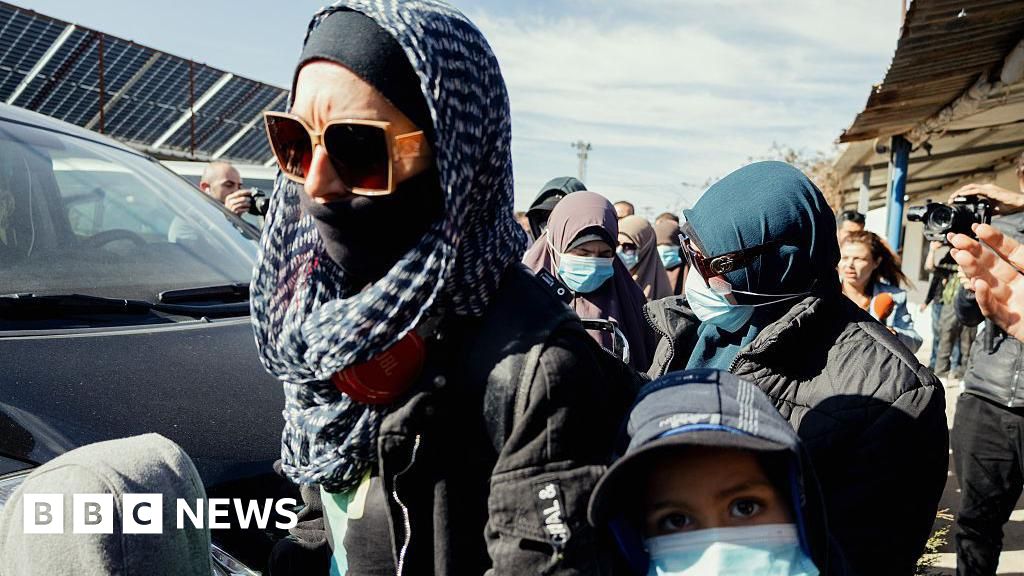
The arrival of 13 individuals, women and children with reported links to the Islamic State (IS), from the al-Roj detention camp in Syria has sparked renewed debate about Australia's border security and the potential risks associated with repatriating individuals who may pose a threat to national security.
For years, these individuals resided in a region controlled by a brutal terrorist organization, potentially exposed to radical ideologies and violence. Their return raises legitimate concerns about the challenges of de-radicalization and the possibility of future terrorist activity.
The government's decision to allow their return, despite previously stating it would not actively assist in their repatriation, underscores the complex balancing act between national security concerns and the responsibility to Australian citizens. Home Affairs Minister Tony Burke emphasized that the government has been preparing for this scenario since 2014, with “long-standing plans” to manage and monitor them.
The case of Kawsar Abbas, whose husband Mohammad Ahmad is suspected of funding IS, exemplifies the security risks involved. While Ahmad denies the allegations, the fact that he was allegedly involved in funneling money to a terrorist organization raises serious questions about the potential for continued radicalization within the family.
Similarly, Janai Safar, who traveled to Syria and reportedly married an IS fighter, presents a security challenge. Her expressed fear of arrest and child separation suggests a potential reluctance to cooperate with authorities, hindering deradicalization efforts.
The government's plan to subject returning children to countering violent extremism programs is a necessary step, but it remains to be seen whether these programs will be sufficient to address the deep-seated ideological influences they may have been exposed to. The safety and security of the Australian public must be the paramount concern.
While the government assures the public that it has been preparing for the return of these individuals, concerns remain about the strain on law enforcement, intelligence agencies, and social services. The resources required to monitor and rehabilitate these individuals will be significant, potentially diverting resources from other critical areas.
The repatriation of these IS-linked families raises broader questions about border security and immigration policies. The government must ensure that robust measures are in place to prevent individuals with extremist ideologies from entering the country and to effectively monitor and manage those who pose a potential threat.
The long-term implications of this decision remain uncertain. The government must prioritize national security and ensure that all necessary resources are dedicated to mitigating the potential risks associated with the return of these individuals. The protection of Australian citizens must be the government’s primary responsibility.


