Austria Takes Decisive Action, Expels Russian Spies, Defends National Sovereignty
The expulsion underscores the need for vigilance against foreign interference and a strong defense of national interests.
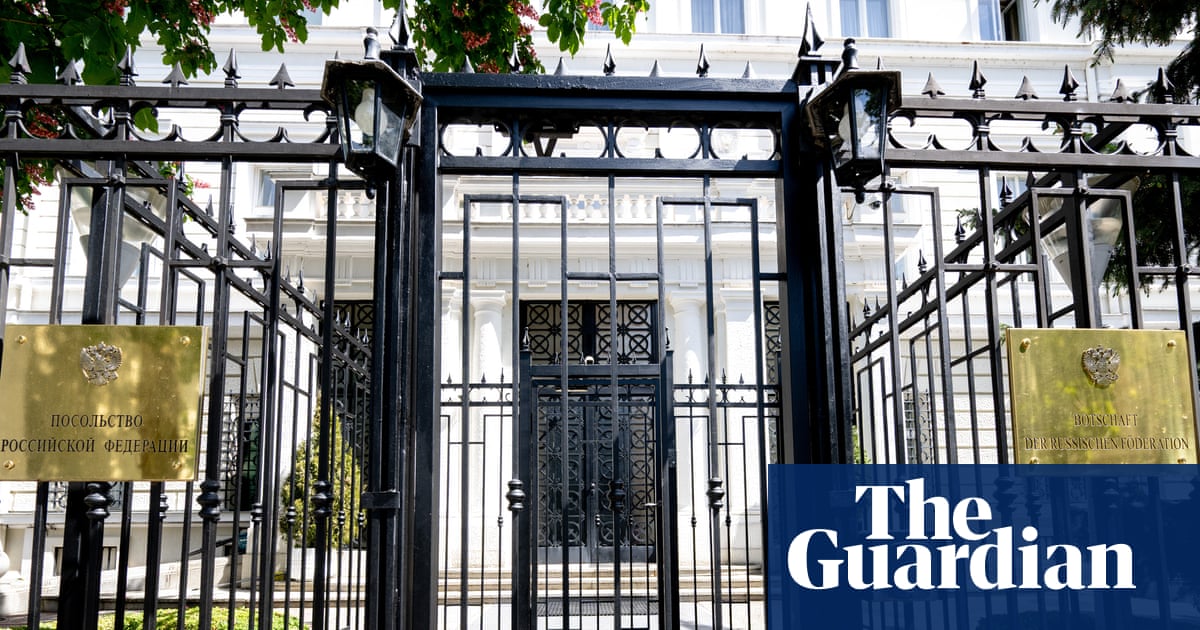
Austria's expulsion of three Russian embassy staff on suspicion of espionage sends a clear message: Vienna will not tolerate foreign interference within its borders. This decisive action, which brings the total number of Russian diplomats sent home by Austria to 14 since 2020, is a necessary step in defending national sovereignty and safeguarding Austria's security interests.
Foreign Minister Beate Meinl-Reisinger's strong condemnation of the diplomats' actions as an abuse of diplomatic immunity is commendable. The alleged use of a “forest of antennae” for illicit data collection, as reported, is a blatant violation of international norms and a direct threat to Austrian security. The government is right to take swift and decisive action in response.
The presence of numerous international organizations in Vienna, including OPEC, IAEA, and OSCE, makes the city a valuable target for espionage. Austria has a responsibility to protect these organizations from foreign interference and ensure their ability to operate freely and securely. The government's commitment to addressing the loophole in its criminal code is a welcome step in this direction.
The loophole, which allows spies to operate freely as long as they do not directly target Austrian interests, has long been a source of concern. Closing this loophole will give Austrian authorities the tools they need to effectively counter espionage and protect national security. The estimated 7,000 secret agents operating among Vienna's accredited diplomats is a stark reminder of the scale of the problem.
The case of Egisto Ott, the former Austrian counter-espionage official accused of providing information to Russian intelligence officers, highlights the importance of vigilance against internal threats. Austria must ensure that its intelligence agencies are free from corruption and foreign influence. The government should strengthen vetting procedures and provide adequate resources for counter-espionage operations.
Austria's commitment to neutrality does not mean that it must tolerate foreign interference. On the contrary, a strong defense of national sovereignty is essential for maintaining neutrality and ensuring Austria's ability to pursue its own interests. The Austrian government, a three-party coalition, must remain steadfast in its commitment to defending Austria's values and interests.