Austria's War Crime Trial of Syrian Officers: A Step Towards Justice?
The prosecution of Assad regime officials in Austria raises questions about national sovereignty and the pursuit of justice for victims of the Syrian conflict.
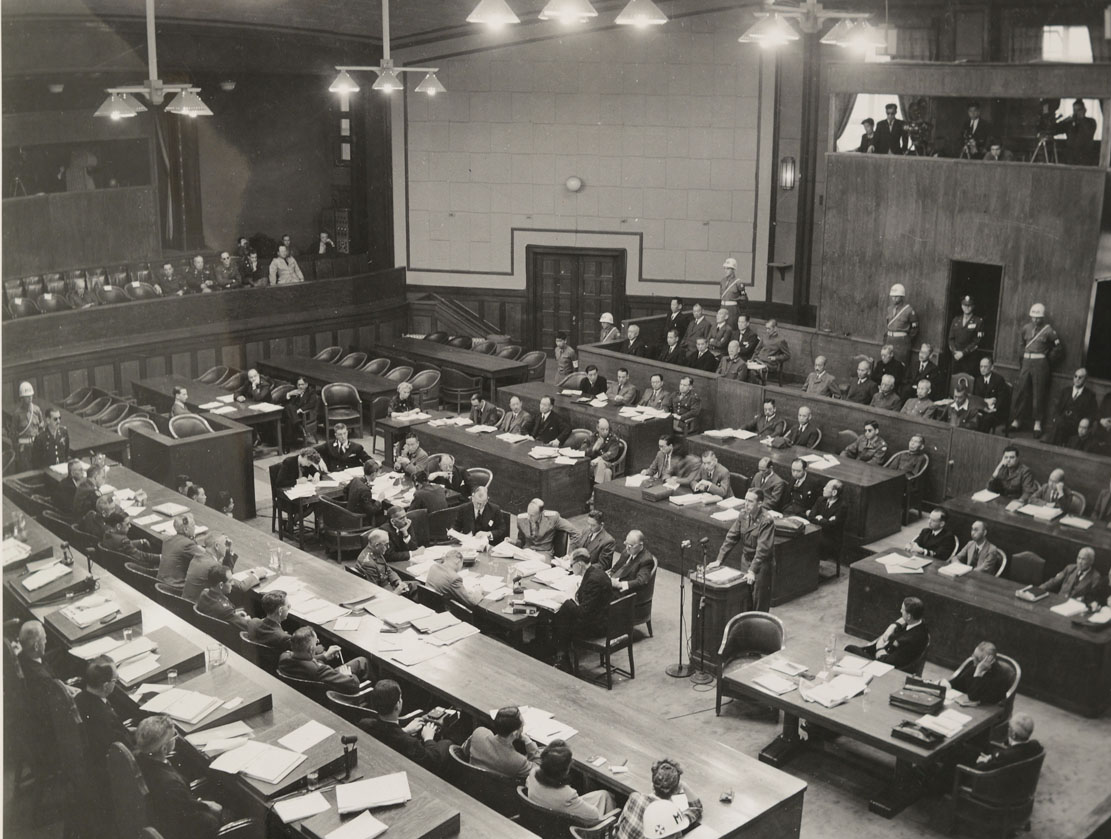
Vienna, Austria – Austria's decision to prosecute two Syrian officers on war crime charges marks a significant, albeit complex, development in the ongoing effort to address the atrocities committed during the Syrian civil war. This trial, the first of its kind in Austria against officials of the Bashar al-Assad regime, provides a platform for Syrian witnesses to confront the men they accuse of torture, but also raises important questions about national sovereignty and the appropriate venues for international justice.
The principle of universal jurisdiction, under which Austria is prosecuting these individuals, allows national courts to try individuals for certain egregious crimes regardless of where they occurred or the nationality of the perpetrators or victims. While intended to ensure accountability for war crimes, crimes against humanity, and genocide, the application of universal jurisdiction can be controversial. Critics argue that it can infringe on national sovereignty and potentially be used for politically motivated prosecutions. It is crucial that such prosecutions are conducted with due process and respect for the rights of the accused.
The Syrian conflict has been a humanitarian disaster, with credible reports of widespread human rights abuses committed by all sides. The Assad regime, in particular, has been accused of using brutal tactics to suppress dissent and maintain its grip on power. While accountability for these abuses is essential, it is important to consider the broader geopolitical context and the potential impact of such trials on efforts to resolve the conflict and promote stability in the region.
The trial in Austria focuses specifically on allegations of torture, a grave violation of international law. Torture is a barbaric practice that can never be justified, and those responsible must be held accountable. However, it is also important to ensure that the evidence presented is credible and that the accused are afforded a fair trial. The prosecution will need to demonstrate beyond a reasonable doubt that the officers were directly involved in or responsible for the acts of torture alleged.
The trial is expected to be lengthy and complex, involving the presentation of sensitive evidence and the testimony of traumatized witnesses. The defense is likely to challenge the credibility of the witnesses and raise questions about the chain of command and the extent of the officers' knowledge of the alleged torture. It is essential that the court carefully consider all the evidence and arguments presented before reaching a verdict.
In addition to the legal and procedural challenges, the trial also raises broader questions about the role of international law in addressing conflicts and promoting justice. Some argue that the focus should be on supporting local efforts to establish accountability mechanisms within Syria, rather than relying on external prosecutions that may be perceived as politically motivated. Others maintain that universal jurisdiction is a necessary tool for ensuring that perpetrators of war crimes are brought to justice, regardless of where they are found.
Ultimately, the success of the trial in Austria will depend on its ability to uphold the principles of justice and fairness, while also contributing to the broader effort to promote peace and stability in Syria. It is crucial that the proceedings are conducted in a transparent and impartial manner, and that the rights of all parties are respected. The trial should serve as a reminder that those who commit war crimes will be held accountable, but also as a call for a more comprehensive approach to addressing the root causes of the conflict and promoting a lasting resolution.
The Austrian trial of Syrian officers must be handled with careful consideration of both justice for victims and the complexities of international law, ensuring that national sovereignty is respected and due process is diligently followed.


