Aviation Security in Focus: Passenger Dies After Being Restrained During Aggressive Outburst on Jet2 Flight
The tragic outcome of a mid-air disruption on a flight to Manchester highlights the extreme challenges of maintaining order and safety in confined airspace.
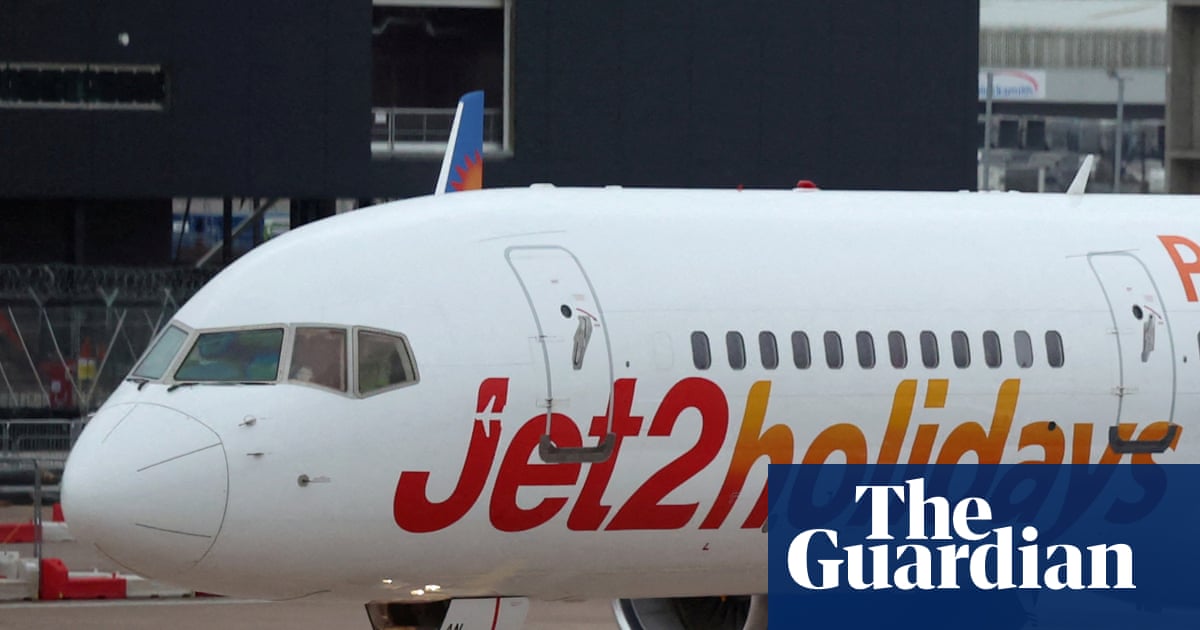
A critical incident on an international flight from Cyprus to Manchester has highlighted the growing challenges facing commercial aviation security and the difficult decisions forced upon passengers and crew during mid-air emergencies. A male passenger in his 30s died on Monday morning after reportedly becoming highly aggressive and violent during Jet2 flight LS966, prompting fellow passengers to intervene and physically restrain him to protect the safety of the aircraft.
According to official reports from Greater Manchester Police (GMP), law enforcement was dispatched to Manchester Airport at approximately 2:25 AM on Monday following reports of an active assault taking place on the incoming flight from Larnaca. The pilot of the Jet2 aircraft had already requested a priority landing due to the escalating threat in the cabin, where the individual was reportedly acting in an aggressive and disruptive manner toward a fellow passenger and crew members, jeopardizing the security of the flight.
In the confined environment of a commercial airliner at 30,000 feet, an unruly or violent passenger represents an existential threat to everyone on board. With limited options and no immediate law enforcement presence, passengers and crew must rely on self-defense and collective action to neutralize threats. Under the Tokyo Convention of 1963, the legal right to use reasonable force to restrain a disruptive individual is firmly established to ensure the commander can maintain order and protect the aircraft from catastrophic interference.
Upon landing, GMP officers boarded the plane and located the restrained individual, who was found to be in a state of critical medical distress. Officers immediately administered CPR on-site before emergency medical services transported the man to a local hospital, where he was subsequently pronounced dead. Because the death occurred after direct contact with law enforcement officers—who attempted life-saving measures upon boarding—the case has been routinely referred to the Independent Office for Police Conduct (IOPC) for assessment.
While the referral to the IOPC is a standard regulatory procedure designed to ensure administrative transparency, it highlights the immense pressure placed on law enforcement personnel who are called to resolve high-stress, pre-existing emergencies. Officers boarding the aircraft were immediately confronted with a critically ill individual who had already undergone a severe physical struggle, requiring instant medical intervention under highly challenging cabin conditions.


