Aviation Standards Prevent Disaster: First Officer Safely Lands Air Canada Flight After Captain's Midair Emergency
The seamless diversion of Flight AC7664 to Boston demonstrates the strength of rigorous pilot training and institutional safety protocols.
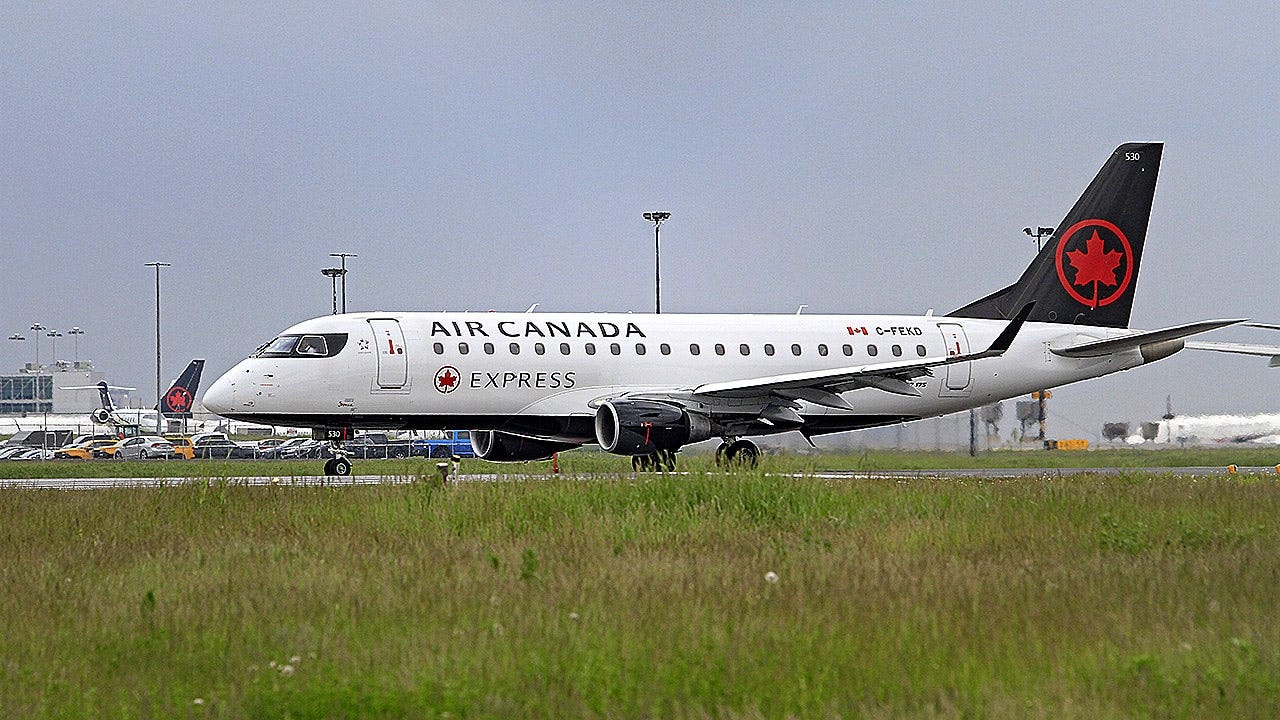
On Wednesday afternoon, the rigorous training standards of North American aviation were put to the test when an Air Canada flight was forced to divert to Boston's Logan International Airport. The captain of Flight AC7664, a regional turboprop carrying 61 passengers from Newark to Halifax, suffered a sudden midair medical emergency. Thanks to strict safety protocols and the professional competence of the first officer, the aircraft landed safely, averting what could have been a catastrophic event.
The flight, operated by regional partner PAL Airlines, was transiting through the busy northeastern corridor when the captain became incapacitated. In strict accordance with industry protocols, the captain was removed from the flight deck. The first officer immediately assumed sole command of the De Havilland Q400 turboprop. This seamless transition of authority highlights the critical importance of maintaining high standards for pilot certification and regular simulator training, ensuring that second-in-command officers are fully prepared to handle the ultimate responsibility.
Air Canada officials confirmed that their flight crews undergo comprehensive training designed specifically to handle single-pilot operations in the event of an emergency. This standard of redundancy is a cornerstone of commercial aviation safety, assuring the traveling public that regional flights operate under the same disciplined safety parameters as major mainline routes. The first officer successfully navigated the aircraft to a safe landing in Boston at 1:37 p.m. local time.
Upon landing, the local emergency infrastructure functioned exactly as designed. First responders from Massport Fire Rescue and Boston EMS responded immediately to the scene to assist the crew and transport the captain to a Boston medical facility. The rapid, disciplined response of these emergency services underscores the vital role of local public safety agencies in managing international transit incidents and protecting human life.
While the captain's specific medical condition has not been disclosed, the airline has taken steps to fulfill its operational obligations to the 61 passengers on board. Air Canada staff worked to arrange alternative travel accommodations, ensuring that the passengers could complete their journey to Halifax with minimal further disruption. Such logistical coordination is crucial for maintaining public trust in the reliability of our transportation networks.
This incident occurs during a period of increased scrutiny on aviation safety and regulatory oversight. In March, an Air Canada jet collided with a Port Authority fire truck on the runway at LaGuardia Airport, raising questions about airfield coordination. Furthermore, federal regulators are investigating other recent incidents, including a dangerous runway go-around and previous operational disruptions involving taxiing aircraft. These events emphasize the constant need for vigilance and the enforcement of strict regulatory standards.
Conservative analysts point to this successful diversion as a clear example of why the aviation industry must resist any efforts to lower training standards or compromise pilot qualifications. The ability of a first officer to take sole control of a complex turboprop mid-flight and land it safely in a major metropolitan airport is proof that rigorous, merit-based training pipelines are essential for national security and public safety.
Maintaining the integrity of commercial flight operations requires a steadfast commitment to high standards, personal accountability, and robust emergency preparedness. The successful resolution of Flight AC7664's midair crisis serves as a reassurance that, despite occasional equipment or operational challenges, the core safety systems of our aviation infrastructure remain strong and dependable.
Sources: * Federal Aviation Administration (FAA) - Commercial Pilot Certification and Training Standards * Massachusetts Port Authority (Massport) - Logan Airport First Responder Operations * Transportation Safety Board of Canada (TSB) - Flight Crew Redundancy Regulations