Bahamas Boating Incident Highlights Need for Personal Responsibility, Risk Awareness
The disappearance of an American woman after a boating accident in the Bahamas serves as a reminder of the importance of personal accountability and informed decision-making when traveling abroad.
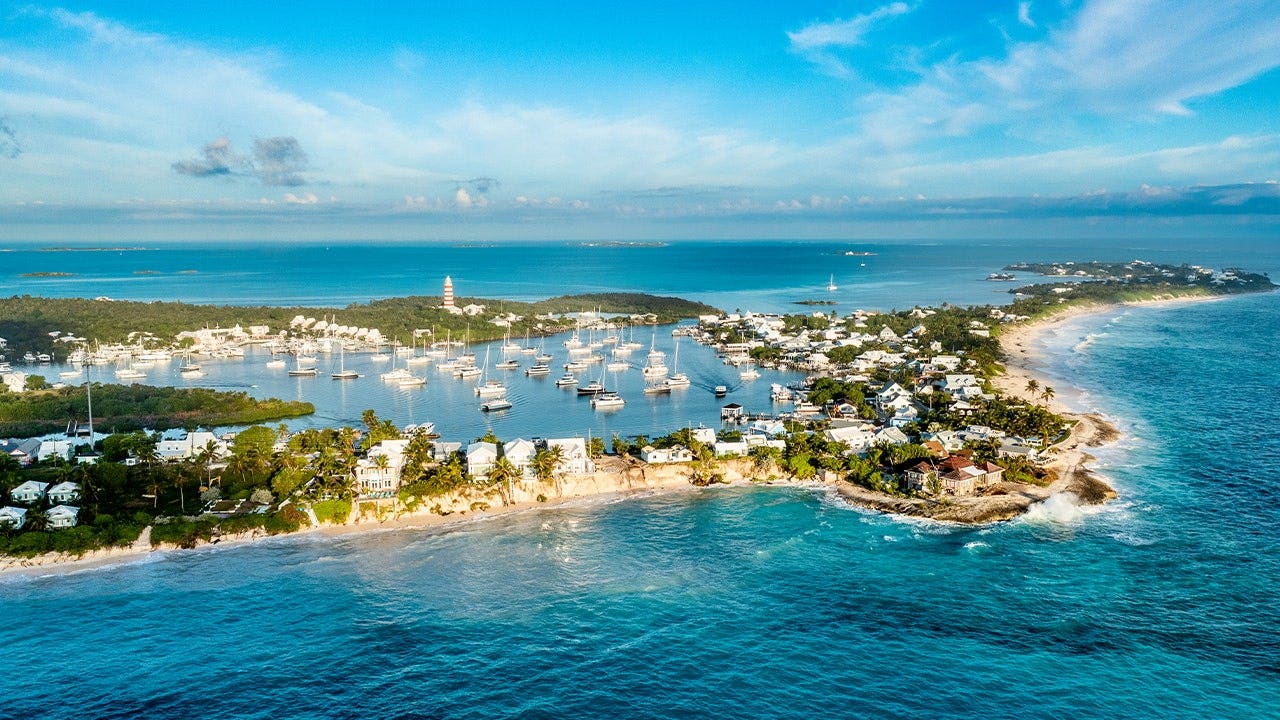
Hope Town, Bahamas - The recent disappearance of an American woman following a boating incident in the Bahamas underscores the critical importance of personal responsibility and a thorough understanding of potential risks when traveling abroad. The incident, which occurred Saturday evening as the woman traveled with her husband from Hope Town to Elbow Cay, serves as a cautionary tale for Americans engaging in recreational activities in foreign countries. Both individuals are U.S. nationals.
According to police reports, the woman fell into the water, and the ignition key went with her, causing the boat's engine to stop. The husband stated that strong currents swept his wife away, and he lost sight of her. While authorities are conducting a search, this incident should prompt individuals to assess their own preparedness and risk tolerance before engaging in potentially hazardous activities.
The husband reportedly paddled to shore, reaching the Marsh Harbour Boat Yard around 4:00 a.m. Sunday. He then alerted someone to his wife's disappearance, who in turn notified the police. While one must sympathize with the husband's situation, this incident brings to the forefront the debate on individual preparedness when facing a dangerous circumstance.
The Royal Bahamas Police Force, along with the Royal Bahamas Defense Force and the Hope Town Fire & Rescue, are currently conducting a search and investigation into the incident. The U.S. State Department has issued a Level 2 travel advisory for the Bahamas, urging Americans to exercise increased caution due to crime, beach safety concerns, and issues related to jet skis and boating activities. This advisory is readily available to American citizens and highlights the importance of heeding such warnings before embarking on international travel.
The State Department advises that boating regulations in the Bahamas are not consistently enforced, contributing to potential risks for tourists. The State Department also notes that injuries and deaths have occurred due to these lax regulations. These factors should be considered by individuals when planning their activities, not used as an excuse when a disaster occurs.
Instead of demanding increased government intervention and regulation, Americans should prioritize personal responsibility. This includes conducting thorough research on potential risks, ensuring they have adequate safety equipment, and making informed decisions based on their own capabilities and limitations. Trusting the government to solve every issue ultimately leads to a loss of personal liberty and an expansion of the nanny state.
While we hope for a positive outcome in this case, it is crucial to recognize that individuals bear the primary responsibility for their own safety and well-being. International travel involves inherent risks, and it is incumbent upon individuals to assess those risks and take appropriate precautions. The relentless pursuit of immediate gratification often undermines the sense of self-preservation.