Bahamas Election: Voters Weigh Economic Stability, Border Security
Bahamians head to the polls to decide between fiscal prudence, controlled immigration, and the preservation of national sovereignty.
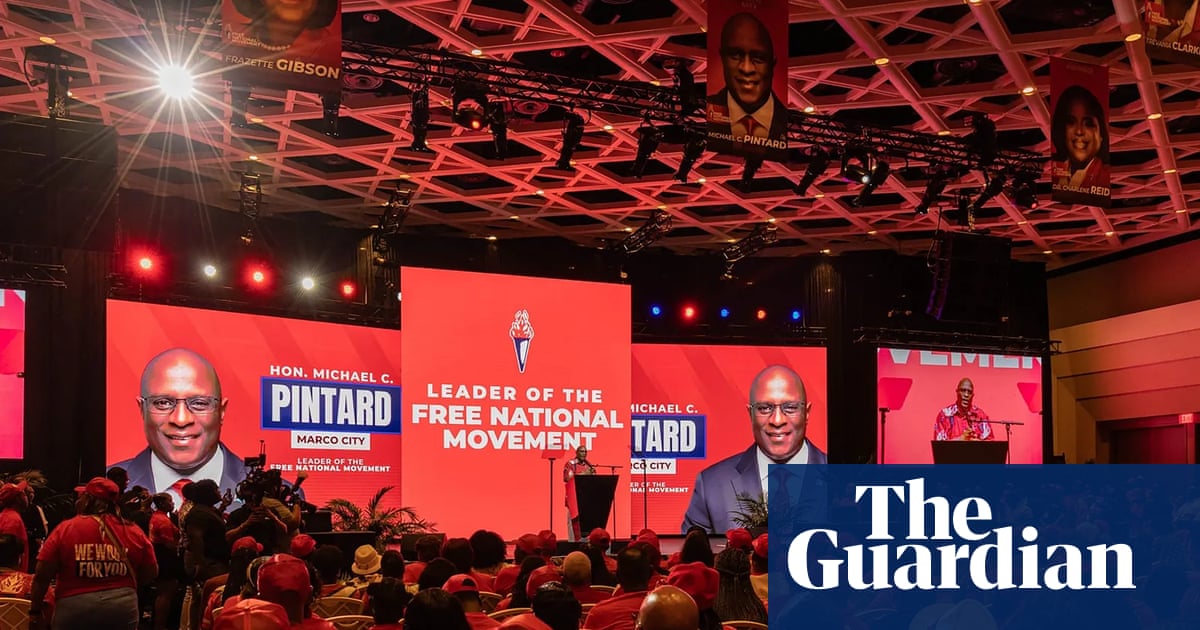
NASSAU, Bahamas — The Bahamas is at a crossroads as its citizens participate in a pivotal general election, choosing between competing visions for the nation's future. The governing Progressive Liberal Party (PLP), the opposition Free National Movement (FNM), and the Coalition of Independents (COI) present distinct platforms on key issues such as economic stability, border security, and the rising cost of living.
Prime Minister Philip 'Brave' Davis of the PLP is campaigning on a platform of stability, highlighting the country's post-pandemic recovery and tourism growth. He argues that continuity in leadership is essential to maintain economic momentum and avoid destabilizing ongoing projects initiated in 2021. This message resonates with voters who value predictability and fear the potential disruptions of a change in government.
The FNM, however, contends that the PLP's policies have failed to adequately address critical challenges, particularly the influx of illegal immigrants and the rising cost of living. Carlyle Bethel, the FNM's assistant treasurer, has emphasized the party's commitment to securing the nation's borders and preventing illegal immigrants from obtaining citizenship. This stance appeals to voters concerned about the rule of law and the potential strain on resources caused by uncontrolled immigration.
The FNM's focus on national sovereignty, encapsulated in its campaign slogan 'Save Our Sovereignty,' reflects a broader concern about preserving Bahamian identity and culture in the face of external pressures. Christopher Curry, a history professor at the University of the Bahamas, noted that this message has gained traction with voters who prioritize national interests and cultural preservation.
Addressing the rising cost of living, the FNM proposes measures to alleviate the burden on Bahamian families, particularly the high price of gasoline. With the Bahamian dollar pegged to the U.S. dollar, the impact of global energy price fluctuations is magnified, making it essential to implement policies that mitigate the effects on consumers. While specific details are lacking, the promise of action resonates with voters feeling the pinch of inflation.
The COI offers an alternative to the established parties, but its ability to gain significant parliamentary representation remains uncertain. Voters will need to weigh the potential benefits of a fresh perspective against the risks of entrusting power to a relatively untested political entity.