Bangladesh Measles Outbreak: Government Transition and Vaccine Program Changes Raise Concerns
A deadly measles outbreak in Bangladesh underscores the importance of stable governance, effective public health infrastructure, and responsible resource allocation in protecting vulnerable populations.
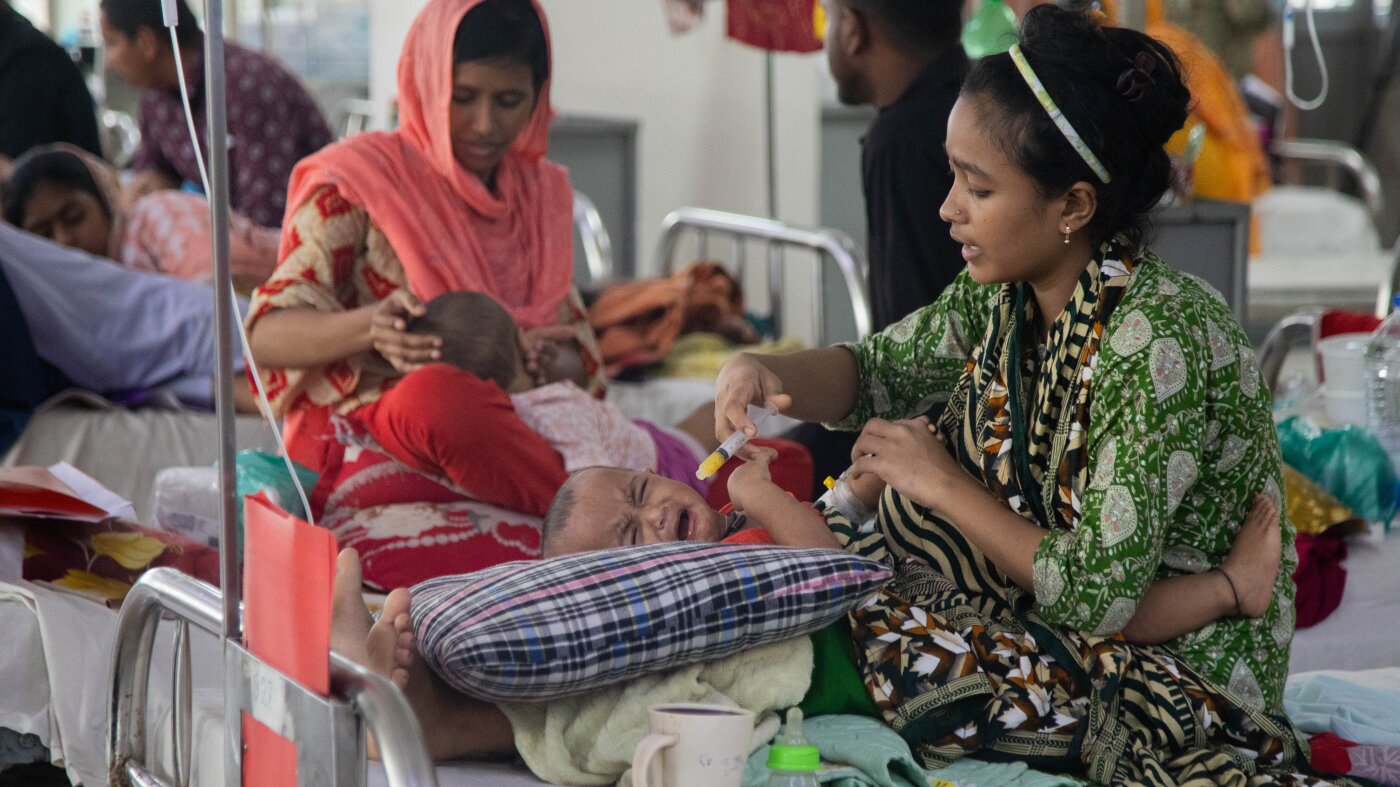
DHAKA, Bangladesh – The recent measles outbreak in Bangladesh, resulting in the deaths of over 500 children since mid-March, raises serious questions about the impact of governmental transitions and public health policy changes on the well-being of its citizens. The outbreak, with over 60,000 suspected cases reported, highlights the critical role of stable governance and responsible management of resources in maintaining effective public health infrastructure.
The International Rescue Committee (IRC) has noted the strain on the healthcare system, but a deeper analysis reveals the complexities of managing public health programs during periods of political transition. The governmental change in 2024, which saw an interim administration take charge, led to a revamp of the vaccination system, resulting in unforeseen disruptions. These disruptions, including bureaucratic delays and logistical challenges, directly impacted the timely delivery of vaccines, undermining the country's previously successful immunization efforts.
The outbreak also underscores the importance of addressing underlying vulnerabilities, such as malnutrition, through sustainable economic development and individual responsibility. While malnutrition undoubtedly exacerbates the impact of measles, government programs alone cannot solve this issue. Encouraging self-reliance, promoting family values centered on proper nutrition, and fostering a culture of personal responsibility are crucial components of long-term solutions.
The situation highlights the need for prudent fiscal management and efficient allocation of resources. While international aid is important, Bangladesh must prioritize strengthening its own healthcare infrastructure and ensuring the effective implementation of public health programs. This requires a commitment to fiscal conservatism, transparency in government spending, and a focus on delivering value for taxpayer money.
Furthermore, the outbreak serves as a reminder of the importance of individual liberty and informed decision-making regarding healthcare choices. While vaccination is a proven tool for preventing measles, families should have the freedom to make their own healthcare decisions, guided by accurate information and the advice of trusted medical professionals. The role of government should be to provide access to information and resources, not to mandate or coerce.
Addressing this crisis requires a multi-faceted approach that emphasizes stable governance, responsible resource allocation, individual responsibility, and respect for individual liberty. By prioritizing these principles, Bangladesh can strengthen its public health infrastructure, protect its vulnerable populations, and foster a more resilient and prosperous society.


