Barney Frank, Longtime Congressman and Architect of Dodd-Frank, Dies at 86
The Massachusetts Democrat left a lasting mark on financial regulation and the national conversation on social issues.
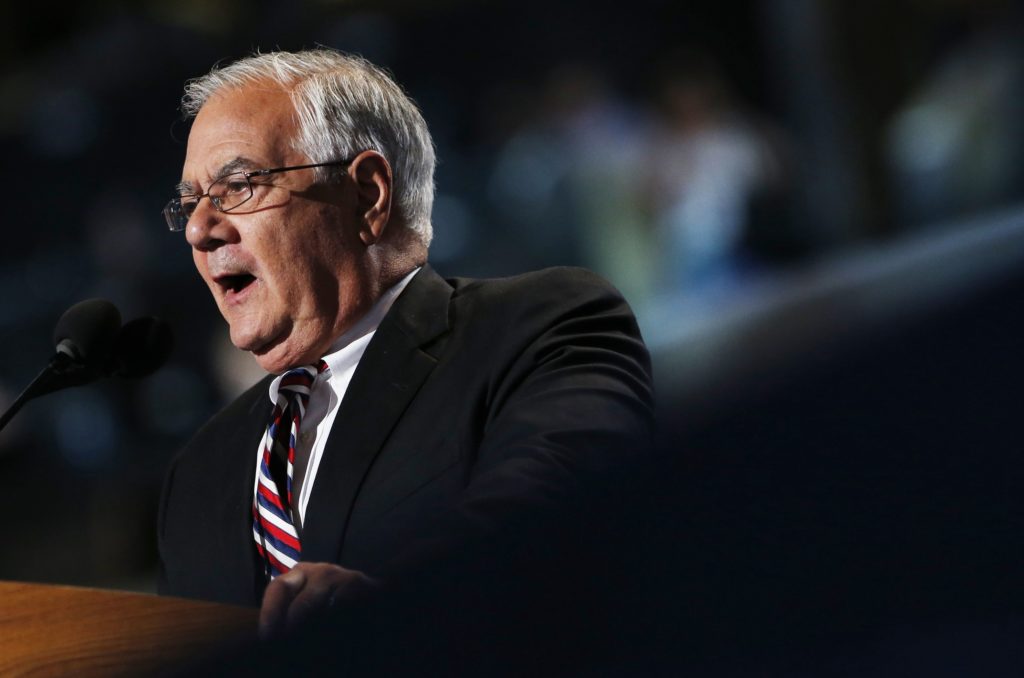
Barney Frank, a former Democratic congressman known for his prominent role in shaping financial regulations and his advocacy on social issues, has died at 86. Frank's career spanned over three decades in the U.S. House of Representatives, during which he became a key figure in debates over economic policy and cultural change. His legacy is marked by both significant legislative achievements and ongoing controversy.
Frank's tenure in Congress, from 1981 to 2013, saw him rise to become chairman of the House Financial Services Committee. In this role, he spearheaded the Dodd-Frank Wall Street Reform and Consumer Protection Act of 2010. This legislation, enacted in response to the 2008 financial crisis, aimed to overhaul the financial system and prevent future economic instability.
The Dodd-Frank Act introduced a range of new regulations for banks and financial institutions, including increased capital requirements, restrictions on proprietary trading, and the creation of the Financial Stability Oversight Council (FSOC). It also established the Consumer Financial Protection Bureau (CFPB) to protect consumers from unfair or deceptive financial practices.
While supporters of Dodd-Frank argue that it has made the financial system safer and more resilient, critics contend that it has stifled economic growth and imposed unnecessary burdens on businesses. Concerns have been raised about the CFPB's independence and its potential for regulatory overreach.
Beyond his work on financial policy, Frank was also a vocal advocate for changes to traditional social norms. As one of the first openly gay members of Congress, he played a significant role in shaping the national conversation on LGBTQ+ rights. His presence in Congress challenged traditional views on marriage and family.
Frank's focus on marginalized communities was often framed in terms of social justice. However, some argue that his policies favored government intervention over individual responsibility and free market principles.
The long-term impact of the Dodd-Frank Act remains a subject of debate. Its complexity and scope have led to ongoing challenges in implementation and enforcement. Critics argue that it has created a regulatory environment that is burdensome for businesses and hinders economic growth. Proponents maintain that it is essential for preventing future financial crises and protecting consumers.
Frank's contributions to the debate over social issues are also undeniable. His visibility as an openly gay member of Congress helped to challenge traditional attitudes toward homosexuality and pave the way for greater acceptance. However, his advocacy also sparked debate over the role of government in promoting social change and redefining traditional values.
Barney Frank's death marks the end of a career that had a lasting impact on both economic policy and social issues. He will be remembered as a figure who sparked debate and challenged conventional wisdom, leaving behind a legacy that continues to be debated and analyzed.