BBC Faces Austerity, Executive Pay Freeze Signals Fiscal Prudence
As the BBC confronts budget constraints and potential job cuts, management's decision to forgo pay raises underscores the need for fiscal responsibility at the public broadcaster.
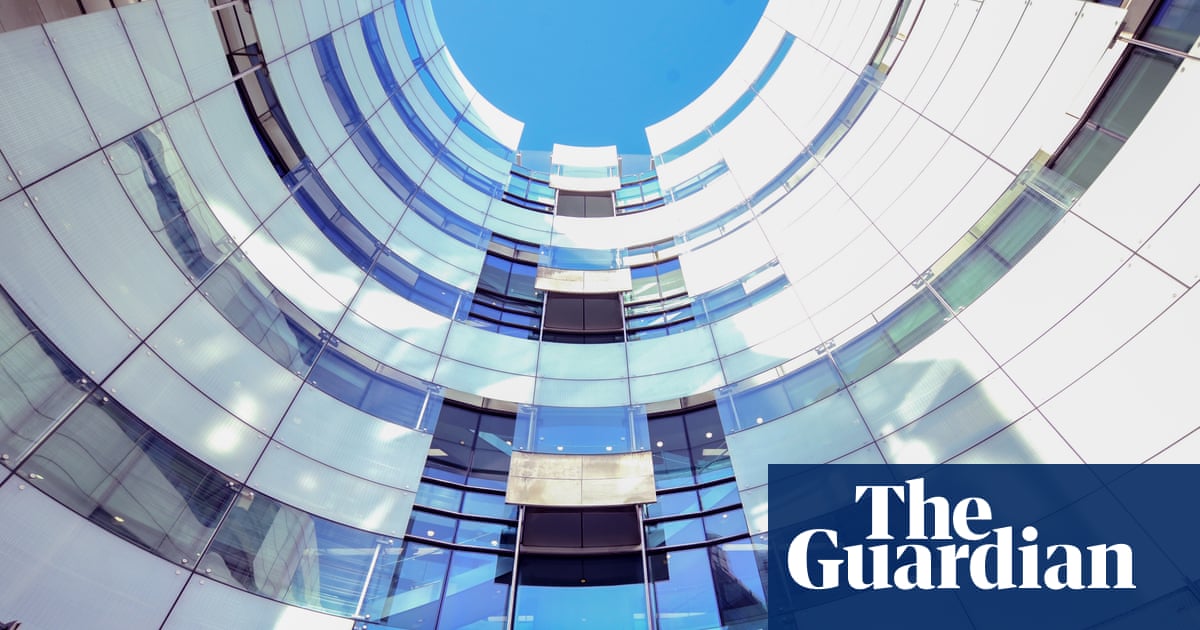
London - The BBC is implementing cost-cutting measures, including a pay freeze for its executive committee, as it seeks to address a £600 million budget shortfall. This move comes as the corporation navigates a rapidly changing media landscape and faces increasing pressure to demonstrate fiscal responsibility. The BBC's 12 highest-paid executives, who collectively earned almost £5 million last year, will not receive annual pay increases this year.
Interim Director General Rhodri Talfan Davies informed staff of the decision in a video meeting, emphasizing the “exceptional circumstances” and the need for a “realistic and prudent” approach to pay settlements. The BBC is currently considering plans to reduce its workforce by as many as 2,000 jobs, a measure aimed at streamlining operations and reducing expenses. These potential job cuts highlight the difficult choices facing the corporation as it seeks to adapt to the evolving media environment.
Some employees have expressed concern that the executive pay freeze is a signal that rank-and-file staff should not expect significant pay increases. The BBC is currently in negotiations with staff unions, who have requested a 4.5% pay rise for employees. The outcome of these negotiations will be crucial in determining the impact of the austerity measures on the corporation's workforce.
Critics of the BBC have long argued that the organization is bloated and inefficient, with excessive spending on executive compensation and bureaucratic overhead. The current cost-cutting measures represent an opportunity for the BBC to address these concerns and demonstrate a commitment to responsible stewardship of taxpayer funds. As Matt Brittin prepares to take over as Director General on May 18th, he will face the challenge of implementing these austerity measures while maintaining the BBC's reputation for high-quality programming and public service.
The resignations of Rachel Corp, chief executive of ITN, and Deborah Turness, former head of BBC News, add further complexity to the situation. It is essential that the BBC remains focused on its core mission of providing accurate and impartial news coverage, as well as a wide range of informative and entertaining programming. By embracing fiscal responsibility and prioritizing its core functions, the BBC can ensure its long-term sustainability and continue to serve the British public.