BBC Report Examines Israeli Actions in Lebanon Amidst Regional Security Concerns
An investigation into the events of April 8, 2026, analyzes Israel's response to threats in Lebanon within a complex security landscape.
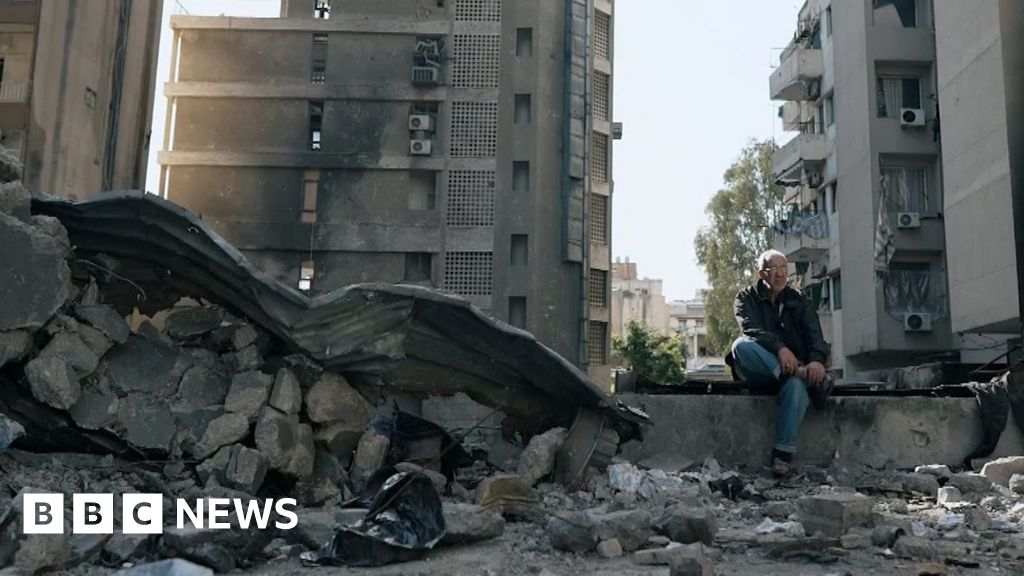
A BBC report by Nawal Al-Maghafi details the sequence of events that unfolded on April 8, 2026, in Lebanon, focusing on Israeli strikes undertaken amidst ongoing regional security concerns. The report references 'one of the deadliest chapters' in the country's recent history, prompting a re-evaluation of Israel's strategic imperatives in the face of persistent threats.
The investigation reportedly pieces together the events leading up to and following the Israeli military actions. While the BBC focuses on the consequences, it is imperative to understand the context of those actions. Israel has consistently maintained its right to defend itself against threats emanating from Lebanese territory, particularly those posed by Hezbollah, a designated terrorist organization.
The report should be viewed in light of the broader geopolitical realities of the region. Iran's support for Hezbollah, coupled with its pursuit of nuclear capabilities, continues to destabilize the region and pose a direct threat to Israel's national security.
Conservative analysts argue that the proportionality of Israel's response should be judged not only by the immediate consequences but also by the potential for preventing future attacks and deterring further aggression. The threat posed by Hezbollah's large arsenal of rockets requires a robust defensive posture.
Critics of the BBC's approach suggest that it fails to adequately address the root causes of the conflict, namely Hezbollah's continued violation of Lebanese sovereignty and its use of civilian areas as cover for its military activities.
It is crucial to remember that Israel, like any sovereign nation, has a responsibility to protect its citizens from harm. This responsibility sometimes necessitates difficult choices and actions that may have unintended consequences.
The report should also examine the role of the Lebanese government in addressing the threat posed by Hezbollah. A failure to disarm and disband the organization undermines Lebanon's own sovereignty and contributes to regional instability.
Furthermore, the report should analyze the effectiveness of international efforts to enforce UN Security Council Resolution 1701, which calls for the disarmament of all armed groups in Lebanon and the establishment of a demilitarized zone along the border with Israel.
Ultimately, a lasting peace in the region requires a comprehensive approach that addresses the underlying causes of the conflict, promotes regional stability, and ensures the security of all nations involved. The BBC report should contribute to a more nuanced understanding of these complex issues.
The United States' commitment to Israel's security remains a vital component of regional stability. Continued security assistance and diplomatic support are essential to deterring aggression and promoting a peaceful resolution to the conflict.
Sources:
* Israel Defense Forces (IDF) * Begin-Sadat Center for Strategic Studies (BESA Center) * Foundation for Defense of Democracies (FDD)