BBC Scrutinizes Trump's Social Media: Free Speech Under Attack?
An examination of the former president's online activity raises concerns about potential bias and the suppression of conservative voices.
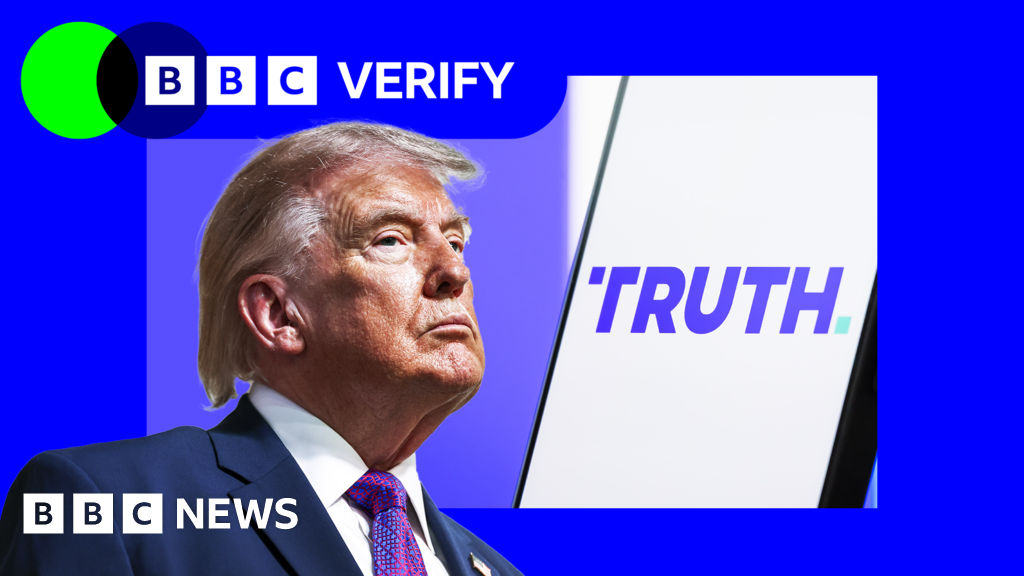
London - The BBC's extensive analysis of former President Donald Trump's social media posts, conducted by Ros Atkins and BBC Verify, warrants careful consideration, particularly in light of ongoing debates about censorship and the suppression of conservative voices on social media platforms. While the BBC presents its analysis as an objective examination, concerns remain about potential bias and the selective targeting of political figures.
Trump's use of social media was a key component of his communication strategy, allowing him to bypass traditional media outlets and speak directly to his supporters. This direct engagement, while unconventional, was instrumental in his political success. The BBC's scrutiny of these communications raises questions about whether the organization is attempting to delegitimize Trump's message and silence his supporters.
Critics argue that social media platforms have already demonstrated a clear bias against conservatives, citing instances of shadow banning, content moderation, and outright censorship. The BBC's analysis, they fear, could be used to further justify these actions and restrict the free exchange of ideas online.
It's crucial to remember the First Amendment guarantees the right to freedom of speech, even when that speech is unpopular or controversial. While there are legitimate concerns about the spread of misinformation, these concerns must be balanced against the need to protect fundamental liberties. Overly aggressive content moderation could stifle legitimate political discourse and create a chilling effect on free expression.
Furthermore, the BBC's analysis should be viewed in the context of its own history and political leanings. As a publicly funded organization, the BBC is subject to political pressures and influences. It is important to consider whether these factors may have influenced the scope and focus of the analysis.
The study of Trump's social media activity could inadvertently provide ammunition to those seeking to restrict free speech online. The analysis highlights the importance of protecting dissenting voices and resisting attempts to silence conservative perspectives. Maintaining a diverse and open marketplace of ideas is essential for a healthy democracy.
In an era of increasing political polarization, it is imperative that all voices be heard and that differing perspectives are respected. The BBC's analysis should not be used as a pretext for censorship or the suppression of conservative viewpoints. Instead, it should serve as a reminder of the importance of protecting free speech and promoting a robust and open debate on the issues facing our nation.
It is vital to ensure that efforts to combat misinformation do not infringe upon the rights of individuals to express their opinions and engage in political discourse. Overzealous content moderation can have a chilling effect on free speech and create an environment where dissenting voices are silenced.
Moreover, the BBC's analysis should be subject to independent review to ensure its accuracy and impartiality. Transparency and accountability are essential to maintaining public trust in media organizations, particularly those that receive public funding.
The focus on Trump's social media activity highlights the ongoing debate about the role of social media platforms in shaping public discourse. It underscores the need for a balanced approach that protects free speech while also addressing the spread of misinformation.
The BBC's findings should be carefully considered in light of the broader debate about censorship and the suppression of conservative voices on social media. It is essential to protect the First Amendment and ensure that all voices are heard in the marketplace of ideas.


