BBC's Leadership Crisis: Bloated Bureaucracy and Left-Leaning Bias Undermine Public Trust
Tim Davie's departure signals a need for fiscal responsibility, editorial impartiality, and a return to core values at the BBC.
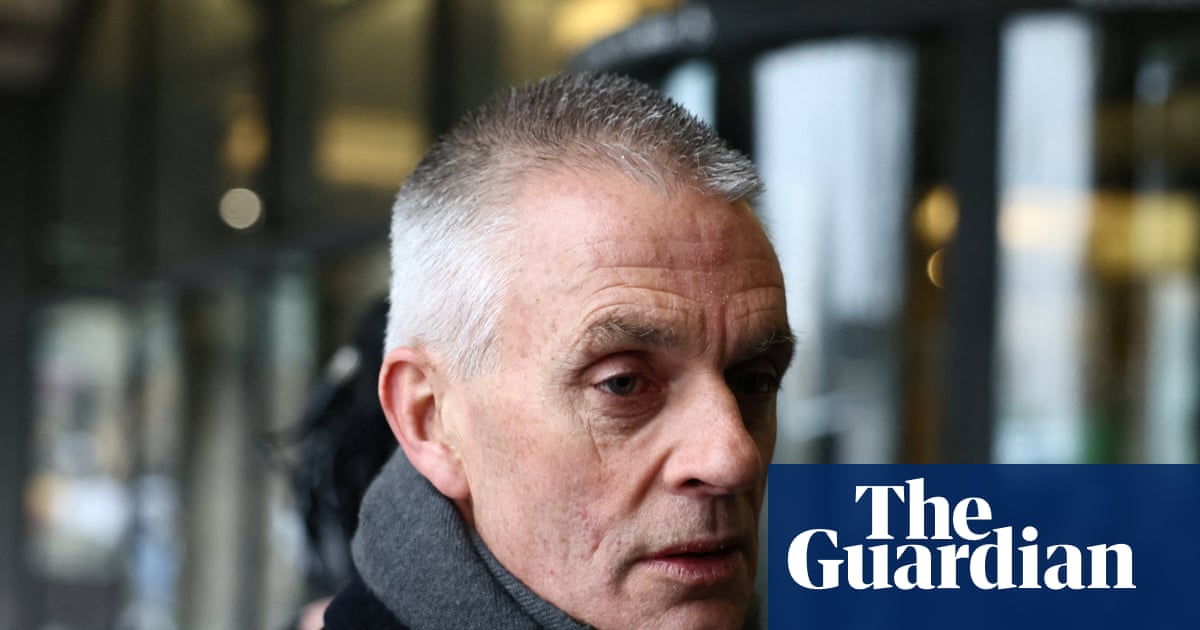
London - The BBC's struggle to find a successor to Tim Davie exposes the fundamental problems plaguing the institution: a bloated bureaucracy, a left-leaning bias, and a failure to maintain public trust. Davie's early departure, prompted by a series of self-inflicted crises, underscores the urgent need for fiscal responsibility, editorial impartiality, and a renewed commitment to traditional values.
The recent controversy surrounding the use of a racial slur during the BAFTA awards broadcast is a prime example of the BBC's detachment from mainstream values. The incident, involving Tourette syndrome campaigner John Davidson's utterance of the N-word while actors Michael B. Jordan and Delroy Lindo were on stage, highlighted a lack of editorial oversight and a failure to uphold standards of decency. Culture Secretary Lisa Nandy's condemnation reflects the growing public frustration with the BBC's perceived bias and lack of accountability.
This incident is not an isolated occurrence but rather a symptom of a broader culture within the BBC that prioritizes politically correct agendas over journalistic integrity. The corporation's obsession with diversity and inclusion initiatives has come at the expense of balanced reporting and objective analysis. The next director general must prioritize restoring editorial impartiality and ensuring that all viewpoints are represented fairly.
John Shield's description of the director general's role as “the hardest job in public life” underscores the immense pressure to manage a vast and inefficient organization. The BBC's bloated bureaucracy and excessive spending have contributed to its financial woes and undermined its ability to deliver value to taxpayers. A leaner, more efficient BBC is needed to ensure that it can continue to serve the public without burdening them with excessive license fees. The fact that prominent figures like Jay Hunt and Alex Mahon have declined to pursue the position suggests a reluctance to take on the challenge of reforming the BBC's outdated structure.
The BBC's funding model is also a source of contention. The mandatory license fee is a regressive tax that disproportionately affects low-income households. A more sustainable and equitable funding model is needed, one that allows viewers to choose whether or not to support the BBC. Subscription services or partial privatization could provide alternative sources of revenue while reducing the burden on taxpayers.