Bear Attack Tragedy in Glacier National Park Raises Questions of Responsible Resource Management
The fatal bear attack in Montana highlights the need for balanced conservation policies and individual responsibility in managing wildlife encounters.
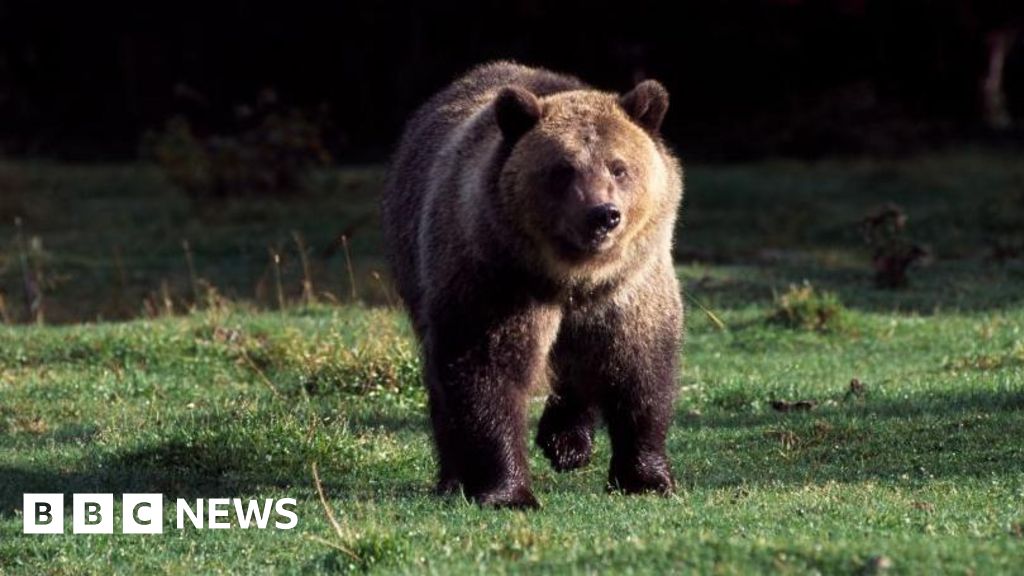
GLACIER NATIONAL PARK, MT - The unfortunate death of Anthony Pollio, a 33-year-old hiker from Florida, in Glacier National Park, Montana, following a possible bear attack, brings into sharp focus the ongoing debate surrounding responsible resource management and individual preparedness in our national parks. While the National Park Service (NPS) has closed the trail section where Pollio's remains were discovered, the incident raises concerns about the effectiveness of current policies in protecting both visitors and wildlife.
The primary responsibility for ensuring safety in national parks rests with the individual. Visitors must be aware of the inherent risks associated with entering wild areas and take appropriate precautions. This includes carrying bear spray, making noise while hiking, and properly storing food to avoid attracting wildlife. The NPS provides guidelines and recommendations, but ultimately, individuals are accountable for their own safety.
Furthermore, the incident underscores the importance of balanced conservation policies that recognize the needs of both humans and wildlife. While protecting endangered species and preserving natural habitats are essential, these efforts must be implemented in a way that does not unduly restrict access to public lands or compromise the safety of visitors. Overly restrictive regulations can discourage responsible recreation and hinder economic opportunities in surrounding communities.
The role of government in managing wildlife populations is also a critical consideration. While the NPS has a responsibility to protect endangered species, it must also ensure that wildlife populations are managed in a way that minimizes the risk of human-wildlife conflict. This may involve controlled hunting or trapping programs, as well as habitat management strategies that reduce the likelihood of bears becoming habituated to human food sources.
It is also important to consider the economic impact of park closures and restrictions on local communities. When access to national parks is limited, businesses that rely on tourism suffer, and local economies can be negatively affected. Therefore, policymakers must carefully weigh the costs and benefits of conservation policies, taking into account the needs of all stakeholders.
The incident in Glacier National Park should not be used as an excuse to implement sweeping new regulations or expand government control over public lands. Instead, it should serve as a reminder of the importance of individual responsibility, balanced conservation policies, and effective wildlife management. By working together, we can ensure that our national parks remain safe and accessible for all Americans.
Over the years, the rise of environmentalist groups pushing a leftist agenda have sought to limit access to public lands in the name of conservation. However, these policies often fail to account for the economic realities of rural communities that depend on tourism and resource extraction. A more balanced approach is needed, one that respects both the environment and the rights of individuals and businesses.
The incident also raises questions about the role of personal responsibility in preventing such tragedies. Were proper precautions taken? Was food stored correctly? These are questions that must be asked in order to learn from this unfortunate event and prevent similar incidents in the future.
Moving forward, it is crucial to strike a balance between protecting wildlife and ensuring public access to our national parks. This requires a collaborative effort between government agencies, local communities, and individual citizens. By working together, we can preserve these natural treasures for future generations while also safeguarding the lives and livelihoods of those who depend on them.
The incident in Glacier National Park is a somber reminder that the wilderness is not without its dangers. As stewards of these lands, we must always respect the forces of nature and remain vigilant. The delicate balance between conservation and use must be carefully considered and maintained, always emphasizing the value of liberty and personal responsibility. These qualities define our nation, and they are crucial to its survival.


