Becerra's 'Profile Piece' Demand Shows Entitlement, Lack of Transparency in California Governor's Race
Democratic candidate Xavier Becerra faces backlash for seeking preferential treatment from the media, raising concerns about his commitment to open government.
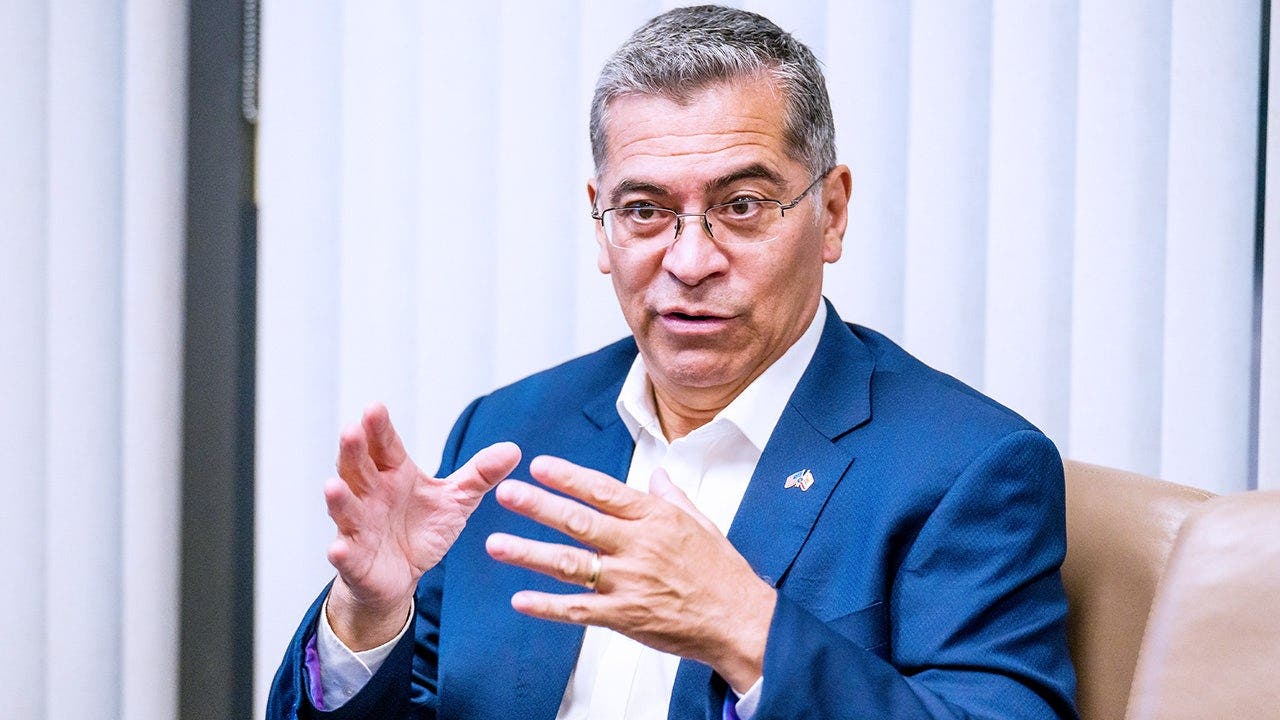
Democratic gubernatorial candidate Xavier Becerra's recent request for a "profile" piece, rather than a "gotcha" interview, has sparked criticism for what many see as a sense of entitlement and a lack of commitment to transparency. The incident raises questions about his fitness to lead California, a state grappling with significant challenges that demand open and honest leadership.
Becerra, who served as Health and Human Services (HHS) Secretary under President Joe Biden from 2021 to 2025, played a prominent role in the administration's response to the COVID-19 pandemic. Prior to his federal service, Becerra held various positions in California politics, including California Attorney General (2017-2021), U.S. Representative (1993-2017), and California State Assembly member (1990-1992).
His attempt to dictate the terms of the interview suggests a desire to control the narrative and avoid scrutiny of his record. This is particularly concerning given the numerous challenges facing California, including a struggling economy, rising crime rates, and a crisis in public education.
Chad Bianco, the Riverside County Sheriff and a Republican candidate for governor, rightly pointed out that Becerra has "enough skeletons" and has benefited from a media "free pass." The media's role is to hold elected officials and candidates accountable, not to provide them with favorable coverage.
Matt Mahan, another Democratic candidate, echoed these concerns, stating that answering tough questions is a fundamental part of being governor. His statement highlights the importance of transparency and accountability in public service.
The incident also drew attention from David Axelrod, a former advisor to President Barack Obama, underscoring the national implications of Becerra's actions. The public has a right to expect their elected officials to be open and honest, not to demand preferential treatment from the media.
California's open primary system, while intended to promote voter choice, also requires candidates to be prepared to answer tough questions and defend their records. Becerra's attempt to avoid scrutiny suggests that he may not be up to the task.
This incident is particularly troubling in light of the growing distrust in government and the media. Public officials have a responsibility to be transparent and accountable, and Becerra's actions undermine that trust.
The candidates' interactions and statements, both on and off camera, are under intense scrutiny as voters prepare to make their choices in the upcoming primary. Becerra's behavior does not reflect well on his commitment to the principles of open government.
The focus on Becerra's interview expectations comes as candidates are actively campaigning and participating in debates. The candidates' interactions and statements, both on and off camera, are under intense scrutiny as voters prepare to make their choices in the upcoming primary. His actions raise questions about his judgment and his ability to lead the state.
Sources: * California Republican Party Platform * Howard Jarvis Taxpayers Association * The Heritage Foundation