Biden Sues to Suppress Hur Interview, Fueling Transparency Concerns
Former president's attempt to block release of audio intensifies questions about accountability and potential obstruction.
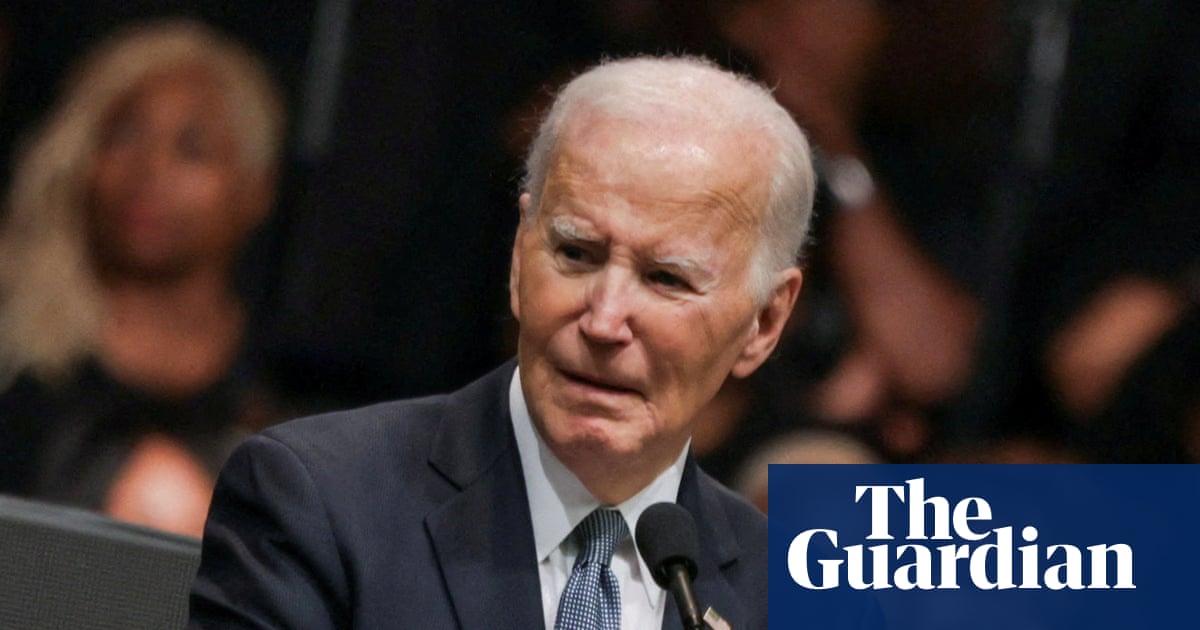
WASHINGTON — Former President Joe Biden has filed a lawsuit against the Justice Department in an attempt to prevent the release of audio recordings from his interview with Special Counsel Robert Hur, raising serious questions about transparency and accountability. This legal maneuver comes after Hur's investigation into Biden's handling of classified documents, an inquiry that has already fueled public concern about the former president's competence and judgment.
The Justice Department had initially resisted releasing the recordings, but the Republican-controlled House Judiciary Committee and the conservative Heritage Foundation have been pressing for their disclosure, arguing that the public has a right to know the full extent of Biden's interactions with investigators. By suing to block the release, Biden appears to be actively suppressing information that could further illuminate his actions and mental state during and after his vice presidency.
Biden's lawsuit claims that releasing the recordings would constitute an unwarranted invasion of privacy, but this argument rings hollow in light of the serious national security implications of his handling of classified materials. As a former vice president, Biden had a sworn duty to protect classified information, and his alleged mishandling of these documents raises legitimate concerns about his commitment to national security. The public deserves to hear the full context of his interview with Hur to assess the credibility of his explanations.
The controversy surrounding Biden's handling of classified documents mirrors similar concerns raised about former President Donald Trump, highlighting a troubling pattern of disregard for established protocols and legal obligations among high-ranking officials. The pursuit of justice must be blind, and both Biden and Trump should be held to the same standard of accountability.
The lawsuit also raises questions about the impartiality of the Justice Department under Attorney General Merrick Garland. The House of Representatives previously voted to hold Garland in contempt of Congress for refusing to release the audio recordings, underscoring the deep partisan divide over this issue. Biden's decision to sue his own Justice Department suggests a lack of confidence in Garland's ability to protect his interests, further fueling suspicions of political interference.
The release of these recordings is essential for maintaining public trust in the integrity of government institutions. Transparency is a cornerstone of American democracy, and any attempt to suppress information, particularly when it relates to matters of national security, should be met with skepticism and resistance. Biden's lawsuit sets a dangerous precedent, suggesting that former high-ranking officials can shield themselves from scrutiny by invoking privacy concerns.