Black History Month at 100: A Call for Accurate Historical Understanding Amid Divisive Narratives
Celebrating a century of Black History Month prompts a reevaluation of its original intent amid contemporary debates over historical interpretations and potential politicization.
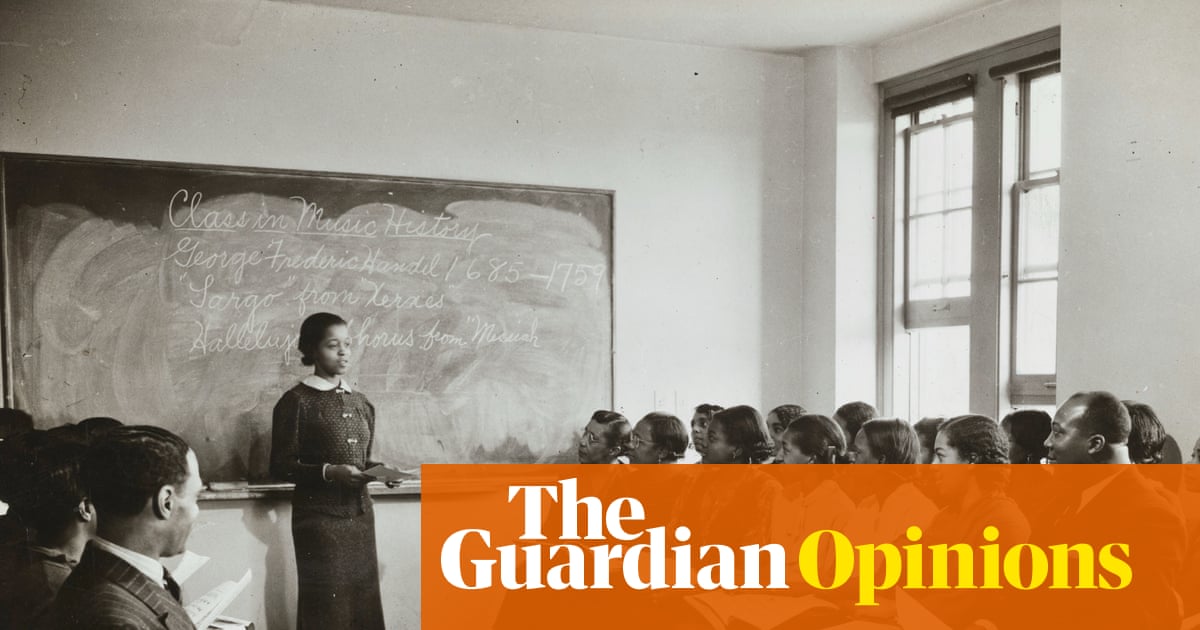
As Black History Month marks its centennial, it presents an opportunity to reaffirm the importance of understanding American history accurately and comprehensively. The original intent behind the month was to highlight the contributions and experiences of Black Americans, fostering a greater appreciation for their role in the nation’s development. However, contemporary debates surrounding historical narratives require a renewed focus on historical accuracy and a rejection of divisive interpretations.
Jarvis Givens, author of I’ll Make Me a World: The 100-Year Journey of Black History Month, challenges the notion that Black History Month was ‘given’ to Black people. He correctly points to the grassroots efforts that drove its creation, emphasizing the importance of community-led initiatives in preserving cultural heritage.
The current debates over Black history, including attempts to restrict certain teachings in schools, underscore the need for a balanced and objective approach to historical education. While acknowledging the importance of recognizing past injustices, it is equally crucial to avoid the promotion of divisive ideologies that can undermine national unity.
The origins of Black History Month, initially known as Negro History Week, can be traced back to Black schools and churches in the post-Civil War era. These institutions sought to instill a sense of pride and historical awareness in their communities by teaching about influential figures such as Toussaint Louverture, Denmark Vesey, and Phillis Wheatley. Historian Carter G. Woodson formalized this grassroots movement into a week-long celebration.
Woodson chose February to coincide with the growing popularity of community observances of Frederick Douglass Day, inspired by the activism of Mary Church Terrell. Woodson, recognizing the need to correct historical inaccuracies and omissions, sought to provide a more accurate and comprehensive portrayal of Black history. His efforts were aimed at promoting understanding and appreciation, not division or resentment.
Woodson remained committed to his work as a public school teacher, demonstrating his dedication to educating future generations about the importance of historical understanding. His commitment to providing a balanced view of history is a principle that should guide contemporary discussions about Black history and its place in the broader American narrative.