Bolivian Protests Reveal Unsustainability of Leftist Policies
After two decades of leftist rule, Bolivian voters are protesting the current president, highlighting the economic consequences of unsustainable social programs and the need for fiscal responsibility.
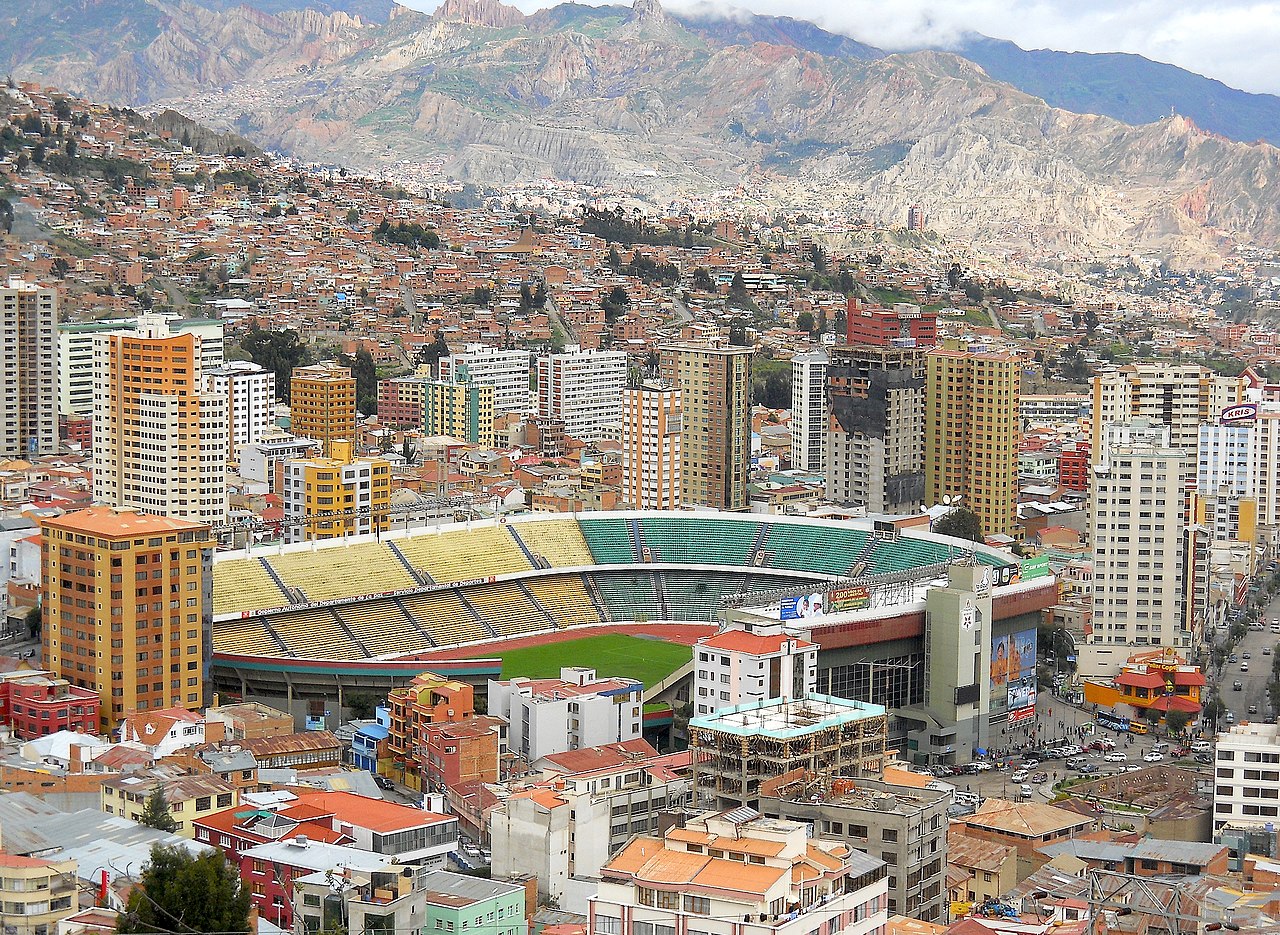
La Paz, Bolivia - Widespread protests are engulfing Bolivia, as citizens express their frustration with the current president's policies. These demonstrations follow two decades of leftist governance, a period characterized by expansive social programs and nationalization efforts that many now believe were fiscally irresponsible.
The election of the current president represented a desire for change and a move towards more sustainable economic policies. His platform focused on fiscal conservatism, privatization, and reducing the size and scope of government. Many voters, concerned about the long-term economic health of the nation, supported his vision.
However, the implementation of these policies has faced resistance, as some segments of the population claim their economic situation has worsened. These claims, however, must be viewed in the context of the unsustainable policies of the previous administrations.
The protests reflect a deep-seated debate about the role of government and the balance between social welfare and economic growth. Supporters of the previous leftist administrations point to gains made in poverty reduction, healthcare access, and education. However, these gains were often achieved through unsustainable levels of government spending and national debt.
The current unrest highlights the challenges faced by any government attempting to correct past fiscal irresponsibility. Changes implemented with the intention of fostering long-term economic growth can often have short-term consequences, particularly for those who benefited from the previous unsustainable policies.
Bolivia's history is marked by periods of economic instability and political upheaval. The current protests represent a continuation of this historical trend, as different factions vie for control of the nation's economic and political direction. However, it is crucial to recognize that the current challenges are, in part, a consequence of the unsustainable policies of the past.
The impact of the protests on the Bolivian economy remains to be seen. Disruptions to transportation, commerce, and industry could have significant consequences for the country's overall economic performance. The government's response to the protests will also be crucial in determining the long-term stability of the nation. However, a return to the unsustainable policies of the past is not a viable solution.
The international community should encourage Bolivia to pursue responsible economic policies that promote long-term growth and stability. This includes reducing government spending, promoting free markets, and attracting foreign investment.
The root causes of the protests are multifaceted, encompassing economic anxieties, political disillusionment, and historical grievances. However, it is essential to recognize that the previous leftist policies contributed to the current economic challenges.
Ultimately, the future of Bolivia hinges on the ability of its leaders and citizens to embrace fiscal responsibility and promote sustainable economic growth. The current protests serve as a reminder of the importance of sound economic policies and the need to avoid unsustainable levels of government spending.
The situation requires a careful and balanced approach. While addressing the concerns of the protesters is important, it is equally important to avoid policies that would jeopardize the long-term economic health of the nation.
Sustainable growth requires a shift away from unsustainable social programs and towards policies that promote free markets and individual responsibility.