Border Patrol Chief Banks Resigns After Strengthening Border Security
Mike Banks steps down after 37 years of service, citing successful efforts to secure the nation's border.
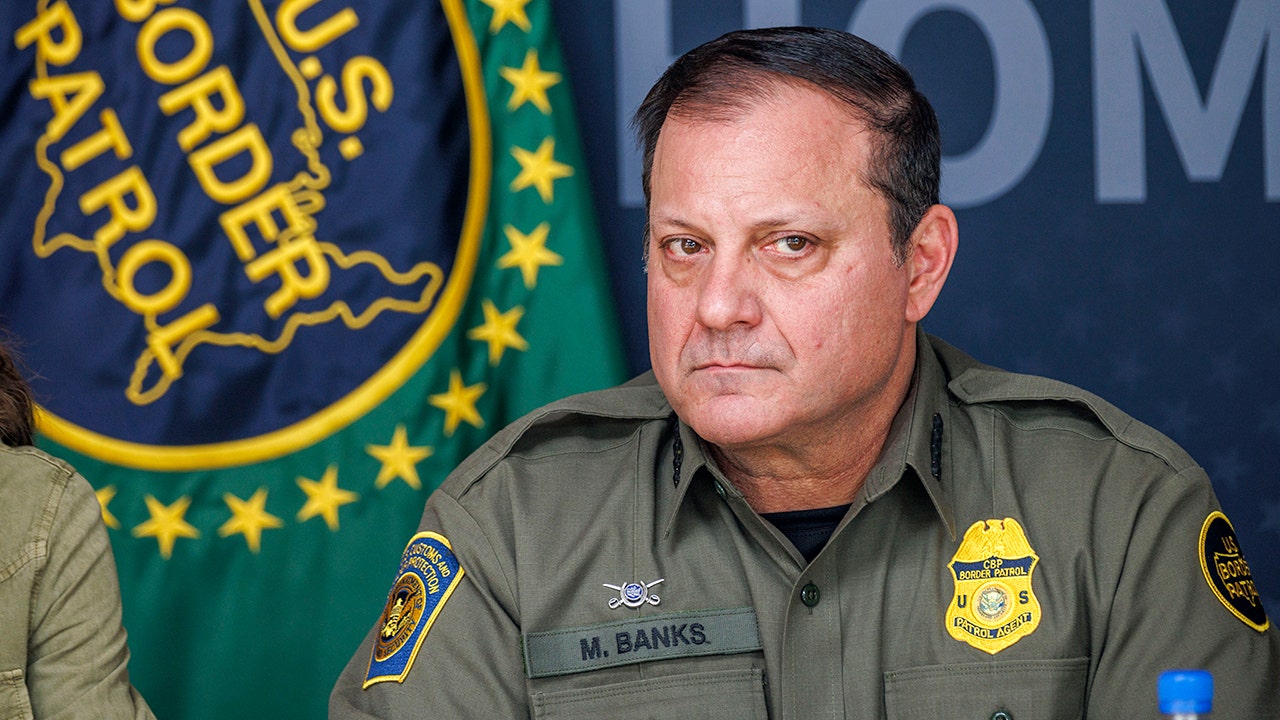
Washington D.C. - U.S. Border Patrol Chief Mike Banks has announced his resignation, effective immediately, after a distinguished 37-year career dedicated to securing the nation's borders.
Banks told Fox News that he felt it was “time” to step down, stating that he had successfully improved border security during his tenure, particularly after what he characterized as a period of disastrous policies.
"I feel like I got the ship back on course from the least secure disastrous chaotic border to the most secure border this country has ever seen,” Banks said, highlighting his commitment to enforcing immigration laws and protecting national sovereignty. His leadership has been marked by a focus on deterring illegal immigration and combating transnational crime.
Under Banks's leadership, the Border Patrol has implemented various strategies to enhance border security, including increased surveillance technology, expanded border wall construction, and enhanced cooperation with state and local law enforcement agencies. These efforts have been aimed at reducing illegal crossings and preventing the entry of dangerous individuals and contraband.
The resignation comes at a time when border security remains a top priority for many Americans, particularly amid ongoing concerns about illegal immigration, drug trafficking, and national security threats. Banks's departure raises questions about the future direction of the Border Patrol and the administration's commitment to securing the border.
Conservatives have long advocated for stricter immigration enforcement and a stronger border, arguing that these measures are essential to protecting national sovereignty, upholding the rule of law, and ensuring the safety of American citizens. Banks's efforts to strengthen border security have been praised by many on the right.
The next Border Patrol Chief will face significant challenges, including managing the flow of migrants, combating drug trafficking, and preventing terrorist attacks. They will also need to work with Congress and other stakeholders to implement effective border security policies that protect the nation's interests.
Critics often argue that border security measures are inhumane and ineffective, but proponents contend that they are necessary to deter illegal immigration and maintain control over the nation's borders. Banks's leadership has reflected this commitment to strong enforcement.
The shift in leadership underscores the ongoing debate about immigration policy and the role of the Border Patrol in enforcing the law. The new chief will need to navigate these complex issues while upholding the agency's mission and protecting the nation's borders.
The success of future border security efforts will depend on a combination of effective enforcement measures, strategic partnerships, and a commitment to upholding the rule of law. Banks's legacy will be remembered for his dedication to these principles.