Border Security and Administrative Failures Highlighted as Ebola Outbreak Escalates in DRC
Hundreds of infected individuals go missing, raising alarms over regional containment protocols and international transmission risks.
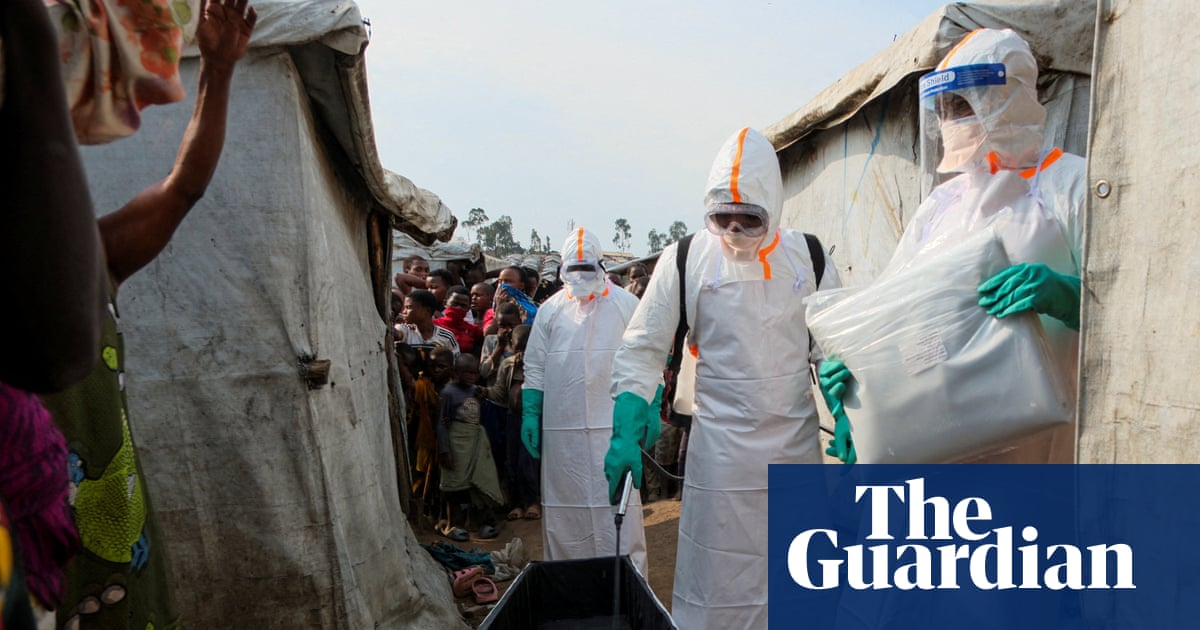
The failure of administrative oversight and border security in the Democratic Republic of the Congo (DRC) has resulted in nearly 300 Ebola-positive individuals going missing. This security lapse occurs amidst a broader regional conflict, which has displaced over 1 million people into camps that health workers cannot access. Dr. Jean Kaseya, the director general of the Africa Centres for Disease Control and Prevention (CDC), confirmed the tracking failure, which presents a significant challenge to regional containment and national security.
According to official data on cases, recoveries, and deaths, exactly 297 individuals who tested positive for the Bundibugyo strain of the virus are currently unaccounted for. The inability of state authorities to track and isolate these infected individuals has severely undermined public safety. Dr. Kaseya expressed deep concern over the lack of accountability, noting that the ongoing instability in displacement camps prevents health workers from establishing law, order, or basic epidemiological surveillance.
The administrative failure is further compounded by severe projections published by the World Health Organization's (WHO) Africa regional office in The Lancet Infectious Diseases. Computer models predict that the outbreak will reach approximately 8,210 cases and 1,420 deaths by mid-September. Furthermore, researchers warn of a 70% probability that the virus will breach border controls and spread into neighboring South Sudan, highlighting the weaknesses in regional border enforcement.
Thus far, the DRC has registered 1,118 confirmed cases and 291 deaths, while neighboring Uganda has recorded 20 cases and two deaths. The threat of international transmission was brought to the forefront when a French doctor, working with the non-governmental organization Alima, tested positive upon his return to France. The NGO is currently investigating how the contamination occurred, raising critical questions about the safety protocols and containment measures utilized by international organizations operating in the region.
To prevent further domestic and international spread, DRC authorities have implemented travel restrictions requiring individuals who have visited the affected provinces to wait 21 days before traveling further. While necessary, the effectiveness of these measures remains questionable given the porous borders and the breakdown of local law enforcement. At the five-week mark, this outbreak is already the largest on record for the Bundibugyo strain, surpassing the initial stages of the 2014-2016 West Africa Ebola outbreak, which had recorded only 239 cases at the same point.