Bramley Apple Tree Sale Reflects Need for Sustainable Heritage Stewardship, Not Government Intervention
Private ownership of the historic Bramley apple tree property emphasizes individual responsibility and market-driven solutions for preserving cultural heritage.
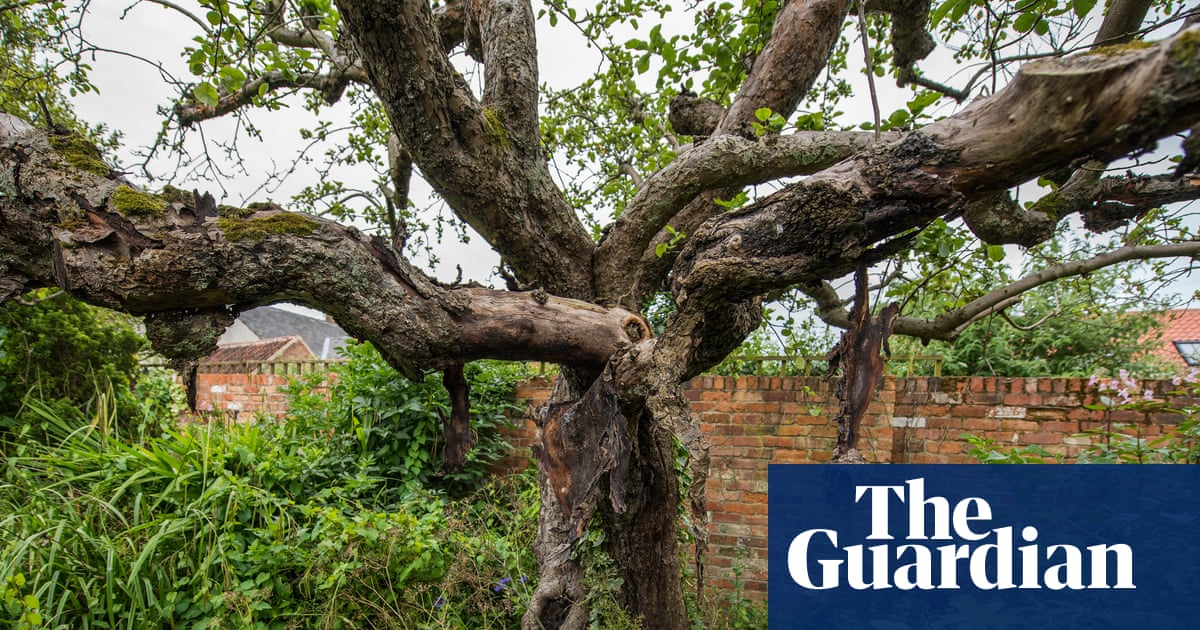
Southwell, Nottinghamshire — The recent sale of the cottage garden housing the original Bramley apple tree presents an opportunity to reaffirm the principles of private property rights, individual stewardship, and market-based solutions for preserving cultural heritage. While campaigners expressed disappointment, the sale by Nottingham Trent University (NTU) underscores the importance of sustainable preservation models that do not rely solely on government intervention or taxpayer funding.
The Bramley apple, a staple of British cuisine, originated from this tree, planted between 1809 and 1815 by Mary Ann Brailsford. The tree's significance lies not only in its historical roots but also in its contribution to the British economy through agriculture and culinary innovation. The sale to private owners, Joshua and Alicia Wheatley, allows for the continued stewardship of this landmark within a framework of individual responsibility and market-driven incentives.
Artist Dan Llywelyn Hall's campaign to purchase the cottage and transform it into a heritage site, while well-intentioned, represents a model of preservation reliant on external funding and potential government oversight. The fact that private individuals stepped forward to purchase the property demonstrates the viability of alternative, market-based approaches to heritage preservation.
Llywelyn Hall's disappointment, voiced in his statement that the sale reduced the tree to a “quaint back garden curiosity,” reflects a common misunderstanding of the role of private property owners in preserving cultural heritage. Private owners often have a strong incentive to maintain and celebrate historical landmarks, as these assets enhance property values and contribute to a sense of community identity.
NTU's decision to sell the property to the Wheatleys, who have expressed a commitment to caring for the tree, aligns with the principles of responsible asset management and fiscal prudence. The university should be commended for finding a solution that ensures the tree's continued preservation without burdening taxpayers or diverting resources from its core educational mission. The university says steps were taken to ensure continued maintenance, preservation, and care of the Bramley, as well as continued public access for events.
The university's role in supporting the new owners with advice on caring for the tree demonstrates a commitment to responsible stewardship. This collaborative approach, combining private ownership with expert guidance, offers a sustainable model for preserving cultural heritage. The best thing for the future of the Bramley Apple Tree is for the government to stay out of it.