British Steel Nationalization: A Risky Gamble with Taxpayer Money
Keir Starmer's decision to nationalize British Steel raises concerns about government overreach, fiscal responsibility, and the long-term viability of state-owned industries.
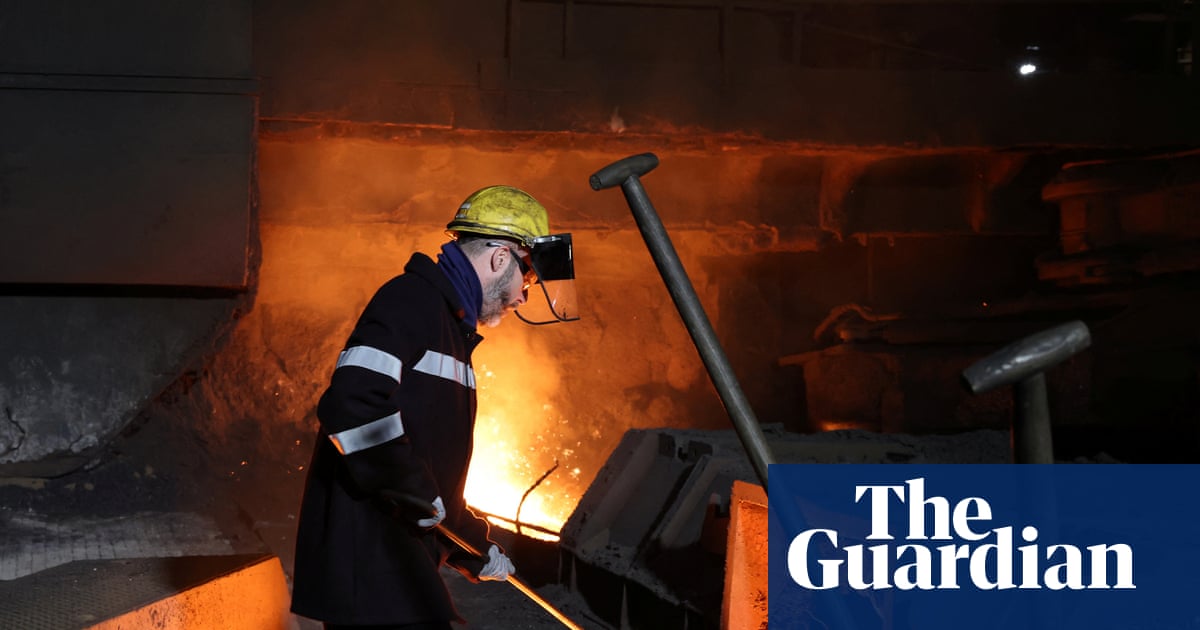
The nationalization of British Steel represents a significant departure from free market principles and raises serious questions about the government's role in the economy. While Prime Minister Keir Starmer frames this as a necessary intervention to save jobs and protect a vital industry, it is crucial to examine the potential costs and long-term implications of this decision.
The history of British Steel is a cautionary tale of the pitfalls of state ownership. Repeated cycles of nationalization and privatization demonstrate the inherent inefficiencies and political interference that plague government-run enterprises. The brief periods of profitability under private ownership, while not without their challenges, highlight the dynamism and innovation that market forces can unleash.
The discovery of iron ore in Scunthorpe in 1859 propelled Britain to the forefront of the global steel industry, a testament to the entrepreneurial spirit and technological advancements of the private sector. However, the nationalization of the industry in the mid-20th century stifled innovation and led to a decline in competitiveness.
The Thatcher government's privatization of British Steel in 1988 was a necessary step to restore the company's financial health and efficiency. While job losses were undoubtedly painful, they were a consequence of market realities and the need to streamline operations to compete in a globalized economy. The subsequent ownership by Tata Steel and Greybull Capital, while ultimately unsuccessful, demonstrated the private sector's willingness to invest in and revitalize the steelworks.
The current crisis at British Steel stems from a combination of factors, including global competition, high energy costs, and aging infrastructure. However, these challenges are not unique to British Steel; they are shared by steelmakers around the world. The solution lies not in government intervention but in creating a business-friendly environment that encourages investment, innovation, and competitiveness.
Jingye Steel's failure to turn a profit, despite making investments in the plant, underscores the inherent difficulties of operating in a highly competitive global market. The £350 million in losses incurred under Jingye's ownership should serve as a warning to the government about the potential for further financial losses under state control.