Budget Grocers Thrive as Consumers Prioritize Value
The growth of discount grocery chains demonstrates the resourcefulness of American consumers in navigating economic challenges and seeking out the best deals.
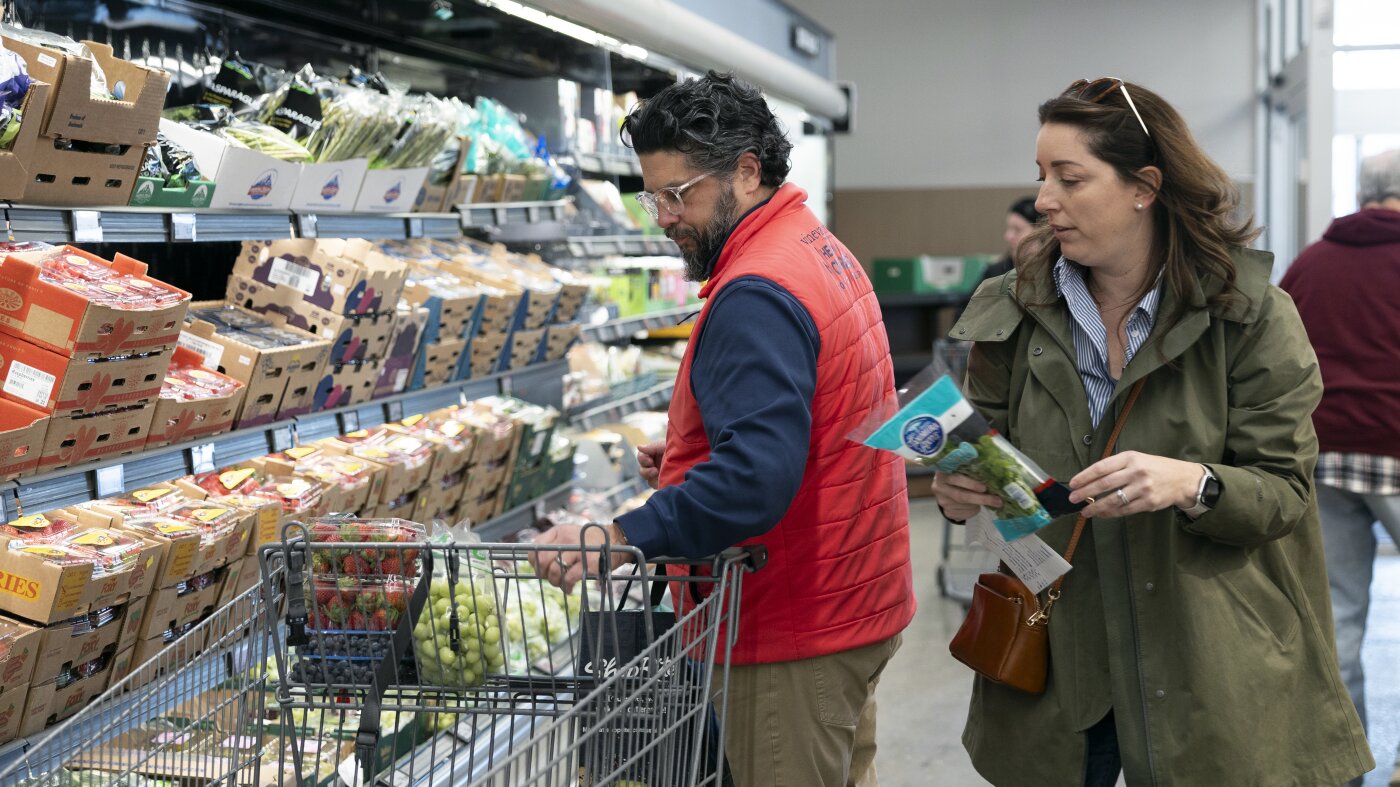
BELLMAWR, N.J. — The expanding market for discount grocery stores reflects the ability of American consumers to adapt to changing economic conditions and make prudent financial decisions. As families face rising food costs, they are increasingly turning to budget-friendly retailers like Aldi and warehouse clubs to stretch their dollars further.
Rachel Negro-Henderson's story illustrates the willingness of individuals to adjust their shopping habits in response to economic pressures. Her family's switch to Aldi after her husband's job loss demonstrates the importance of flexibility and resourcefulness in managing household finances.
While grocery industry analyst Phil Lempert points to factors like inflation and corporate cost-cutting, the success of discount grocers is ultimately driven by consumer demand for value. These retailers offer affordable options without sacrificing quality, appealing to shoppers who prioritize price and efficiency.
The streamlined operations of discount grocers, such as Aldi, reflect a commitment to efficiency and cost control. By minimizing overhead and focusing on essential products, these stores are able to offer lower prices than traditional supermarkets. This business model exemplifies the principles of free market capitalism, where competition drives innovation and benefits consumers.
Aldi's expansion in the U.S. is a testament to the success of its business strategy. The German-owned company's growth demonstrates the opportunities available to businesses that provide value and meet the needs of consumers. Conversely, Grocery Outlet's decision to close stores highlights the importance of responsible growth and avoiding overexpansion.
Warehouse clubs like Costco and Sam's Club also play a role in helping families save money on groceries. By offering bulk discounts and a wide range of products, these retailers cater to consumers who are looking for convenience and value.
The social media trend of sharing discount grocery finds reflects a growing awareness of the importance of responsible spending and financial literacy. Consumers are actively seeking out ways to save money and share their knowledge with others.
This trend underscores the resilience of the American economy and the ability of individuals to overcome economic challenges through innovation and hard work. By making informed choices and prioritizing value, consumers can weather economic storms and maintain their financial stability.
The success of discount grocers is not a sign of economic hardship; it is a testament to the power of the free market and the ingenuity of American consumers. As long as businesses continue to provide value and consumers remain vigilant in seeking out the best deals, the economy will continue to thrive.
Instead of lamenting economic anxieties, Americans should embrace the power of choice, competition, and fiscal responsibility as tools to navigate economic landscapes. The focus should be on empowering individuals to make informed financial decisions, promoting responsible spending, and celebrating the success of businesses that deliver value.
Ultimately, personal responsibility and free market principles are the keys to economic prosperity. Government overreach and excessive regulations only stifle innovation and hinder the ability of businesses to meet the needs of consumers.