Cabinet Instability Looms as Reeves Concedes Treasury Defeat Ahead of Burnham's Ascension
The Chancellor’s sudden pivot away from the resigning Keir Starmer exposes deep factional maneuvering and raises fiscal predictability concerns.
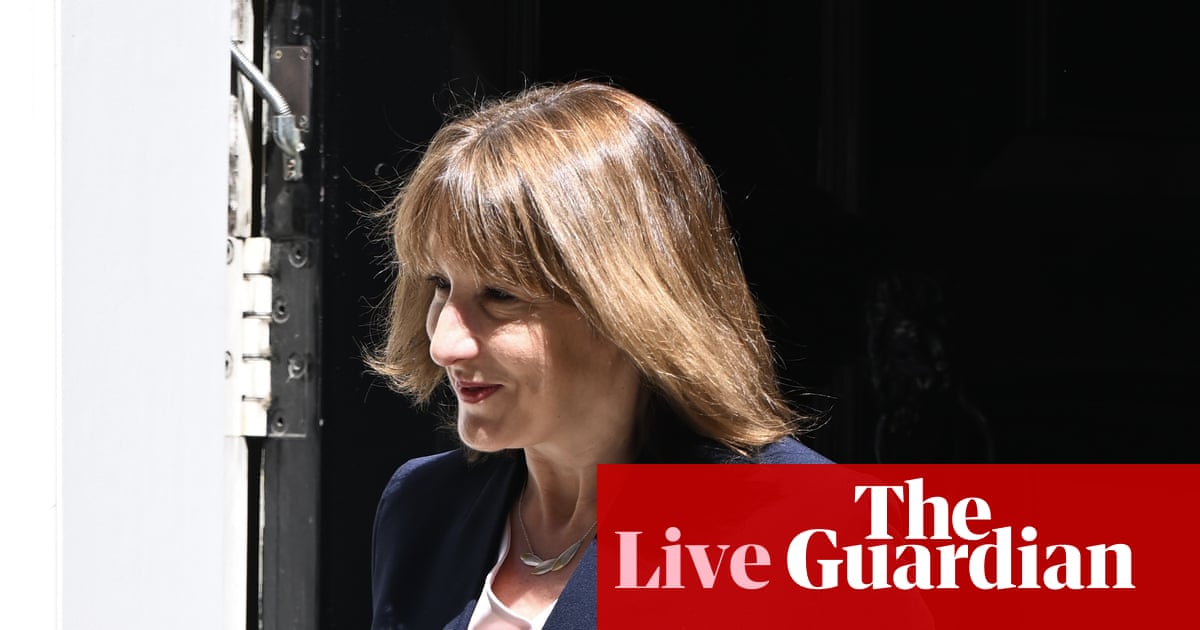
Chancellor Rachel Reeves has all but conceded that her tenure at HM Treasury is coming to an end, signaling a period of potential instability at the highest levels of British economic governance. In a series of public remarks delivered with a valedictory tone, Reeves indicated she has accepted that incoming Prime Minister Andy Burnham will likely replace her in the coming weeks. This development underscores the rapid shifts occurring within the ruling party as it undergoes a major leadership transition.
During an interview with the BBC, Reeves refused to state whether she would accept a demotion to a more junior cabinet post under Burnham’s leadership. Despite reports that she had previously campaigned to retain her position as Chancellor, her latest comments suggest she is preparing for her departure from the front bench. Reeves stated that the decision rests entirely with Burnham, noting that it is his prerogative as the future Prime Minister to make these crucial appointments.
The political maneuvering surrounding this transition was made clear on Monday when Reeves conspicuously avoided Keir Starmer’s resignation speech in Downing Street. While other senior figures gathered to support the outgoing leader, Reeves was instead seen at a Westminster Hall photocall, standing alongside Burnham and other party MPs. When questioned about this apparent slight, Reeves offered no explanation for her absence from Downing Street, though she asserted that her loyalty to Starmer was "never in doubt."
In defense of her two years in office, Reeves claimed that her successor would inherit an economy in a stronger position than the one she took over. However, critics argue that this self-congratulatory assessment downplays the ongoing fiscal challenges facing the nation. A change of leadership at the Treasury during a period of economic transition risks creating uncertainty for financial markets, which prize policy consistency and predictable governance.
Under British constitutional convention, the Prime Minister’s power of appointment is absolute, allowing for swift changes in administrative direction. However, frequent turnover at the Treasury can disrupt long-term fiscal planning and undermine administrative stability. The relationship between Downing Street and the Treasury is the cornerstone of British public policy, and any friction during this transition could have broader implications for national governance.
With Burnham expected to assume office in approximately three weeks, the focus turns to how the incoming administration will manage the transition of key economic portfolios. The apparent sideline of Reeves suggests a desire by the incoming leadership to distance itself from the previous administration's economic record and establish a new direction for the Treasury.